
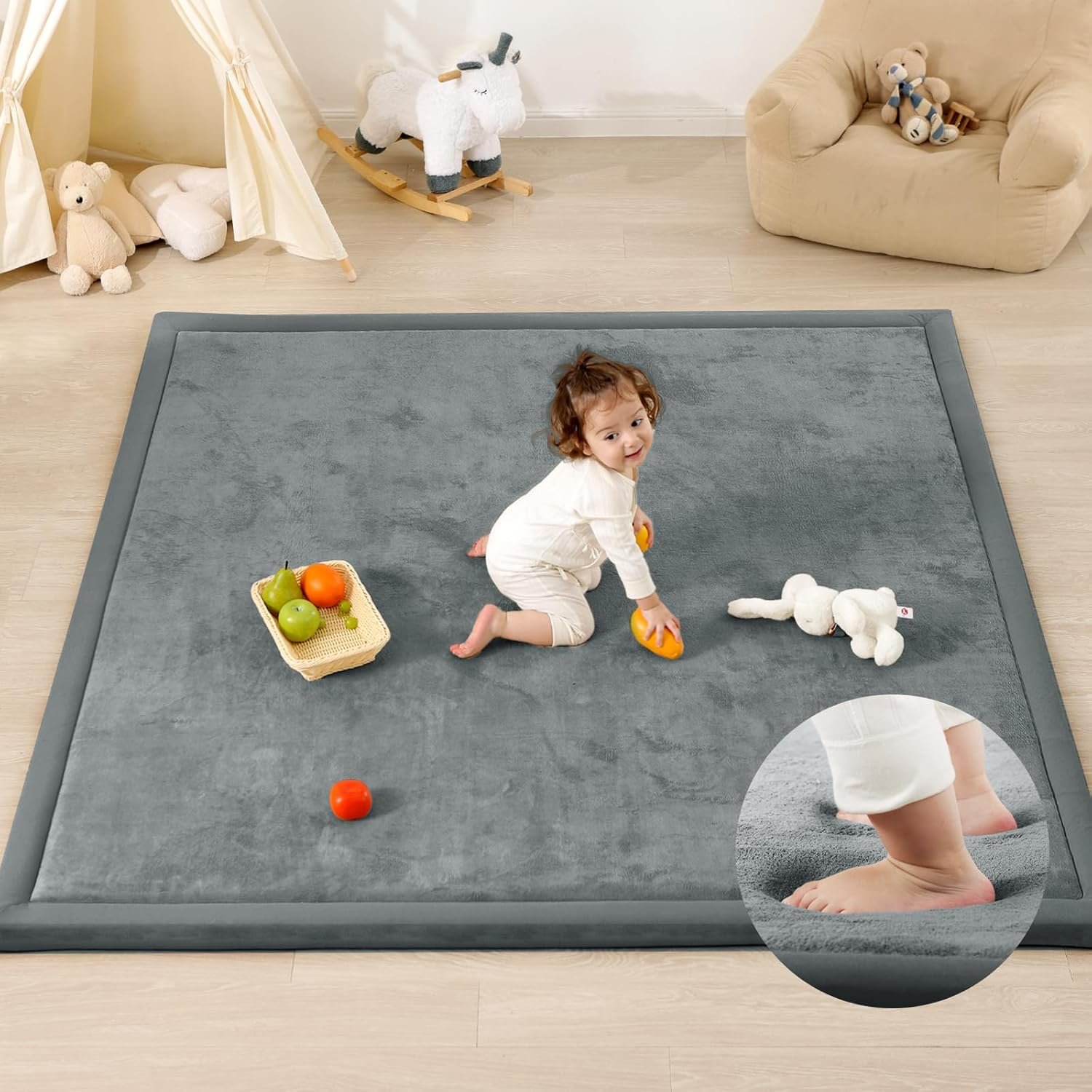

The PaPaMat 1.3″ Baby Play Mat offers a soft, cushioned surface for tummy time, crawling, and first steps. Its plush fleece top and thick foam core provide comfort and joint support, while the non-slip base keeps the mat securely in place. Water-repellent and simple to spot clean, it’s made for daily play in nurseries, living rooms, or playpen setups. With a parent-approved 4.7/5 rating, many families enjoy how naturally it blends into cozy everyday play.
Why a Quality Baby Play Mat Shapes Early Development
An Expert Introduction Rooted in Real Floor Time
A baby play mat becomes one of the most used surfaces in your home, often without much thought at first. It’s where babies learn to lift their heads, roll over, scoot forward, and eventually pull themselves up. Because of that, the quality of a baby play mat directly affects comfort, safety, and confidence during those early milestones.
The PaPaMat thick baby play mat is designed for families who spend real time on the floor. It doesn’t treat floor play as occasional. It treats it as foundational. From tummy time in the newborn months to crawling and early standing attempts, this mat supports the full arc of early movement.
This isn’t just padding. It’s an environment your baby comes back to day after day.
First Impressions That Feel Comforting and Intentional
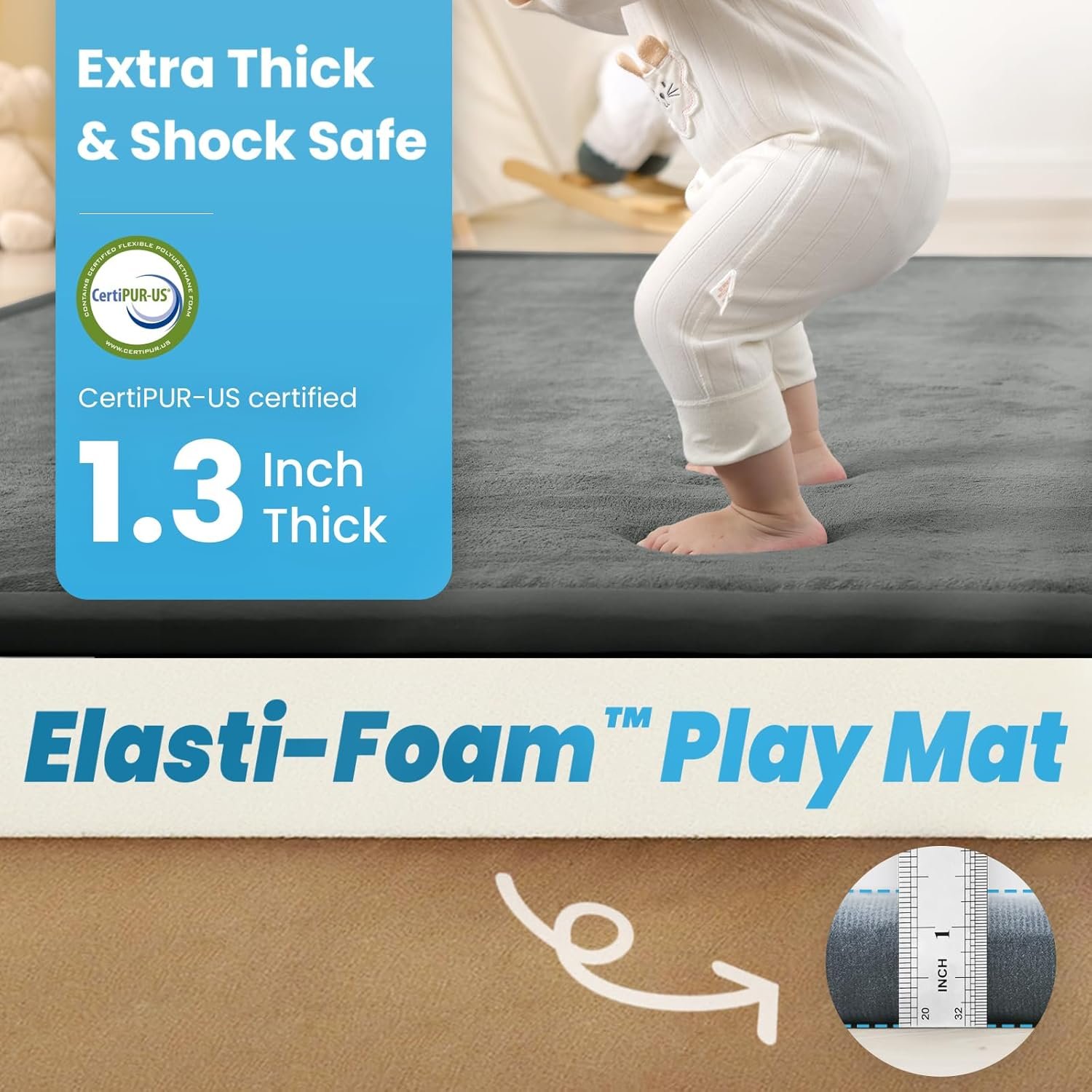
The moment you lay down this baby play mat, the thickness is noticeable. At 1.3 inches, it offers a level of cushioning that feels reassuring even to adults kneeling beside it. The mat doesn’t feel spongy or unstable. It feels grounded, supportive, and deliberately constructed.
The plush fleece surface immediately communicates softness. It’s gentle against sensitive skin and inviting in a way that encourages babies to stay engaged longer. There’s no slickness or stiffness that might discourage movement or cause slipping during early attempts to push up or crawl.
Visually, it blends into family spaces without screaming “baby gear.” That subtlety matters for parents using shared living areas rather than isolated nurseries.
Build Quality You Can Feel Under Your Hands
A baby play mat must do more than feel soft. It needs structure beneath that softness. The high-density foam core here provides deep cushioning that protects developing joints without collapsing under weight.
When babies rock back and forth, roll, or fall gently while learning balance, the mat absorbs impact in a way that feels protective rather than bouncy. That stability helps babies feel secure as they test new movements.
The water-repellent finish is another quiet strength. Spit-up, milk drips, snack crumbs, and everyday messes wipe clean easily. Parents don’t have to panic about every spill or rush to remove the mat constantly.
Safety and Stability Where It Matters Most
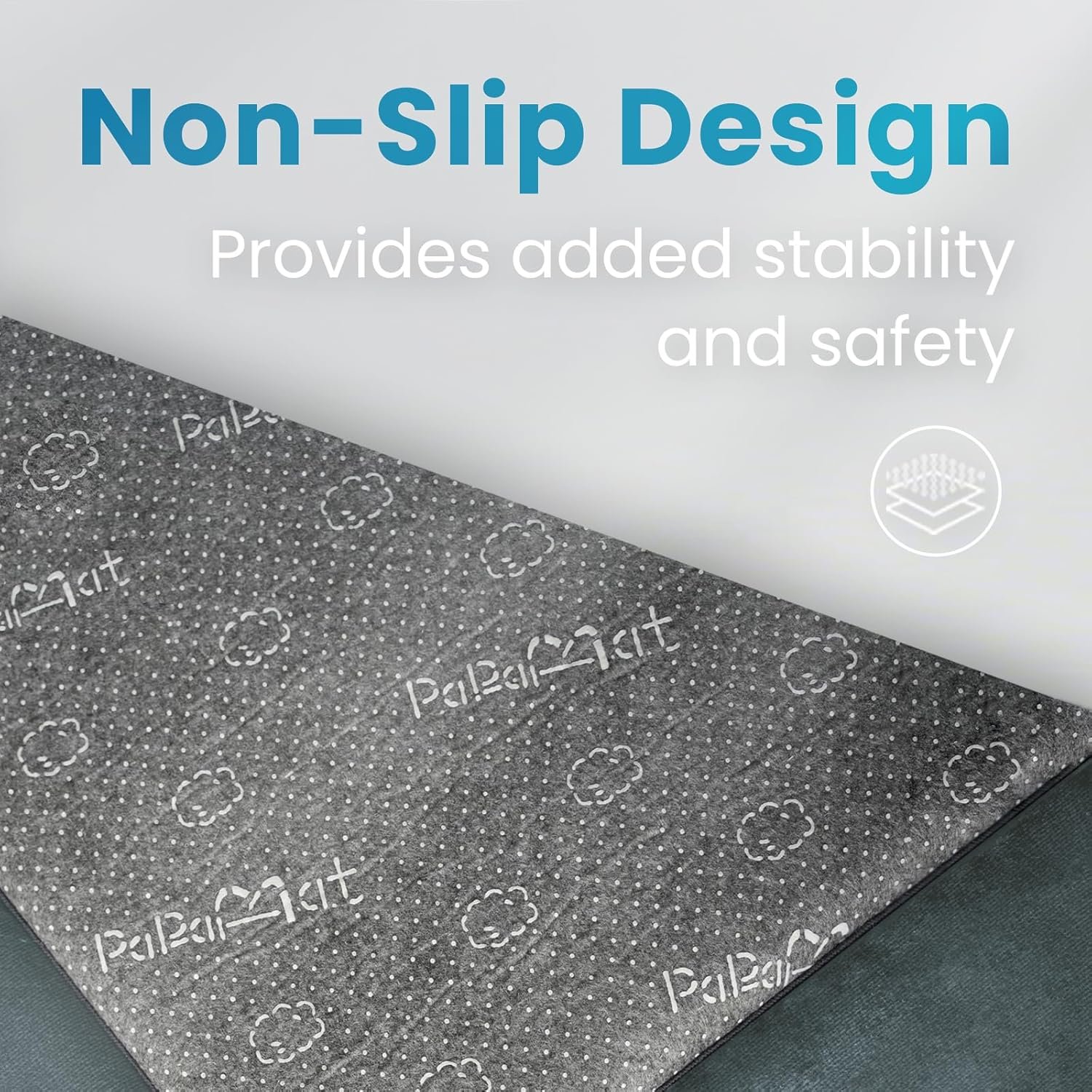
Safety in a baby play mat goes beyond softness. It’s about materials, grip, and consistency. The non-slip backing helps the mat stay in place on hardwood, tile, or carpeted floors. That stability reduces shifting during active play, which is especially important as babies become more mobile.
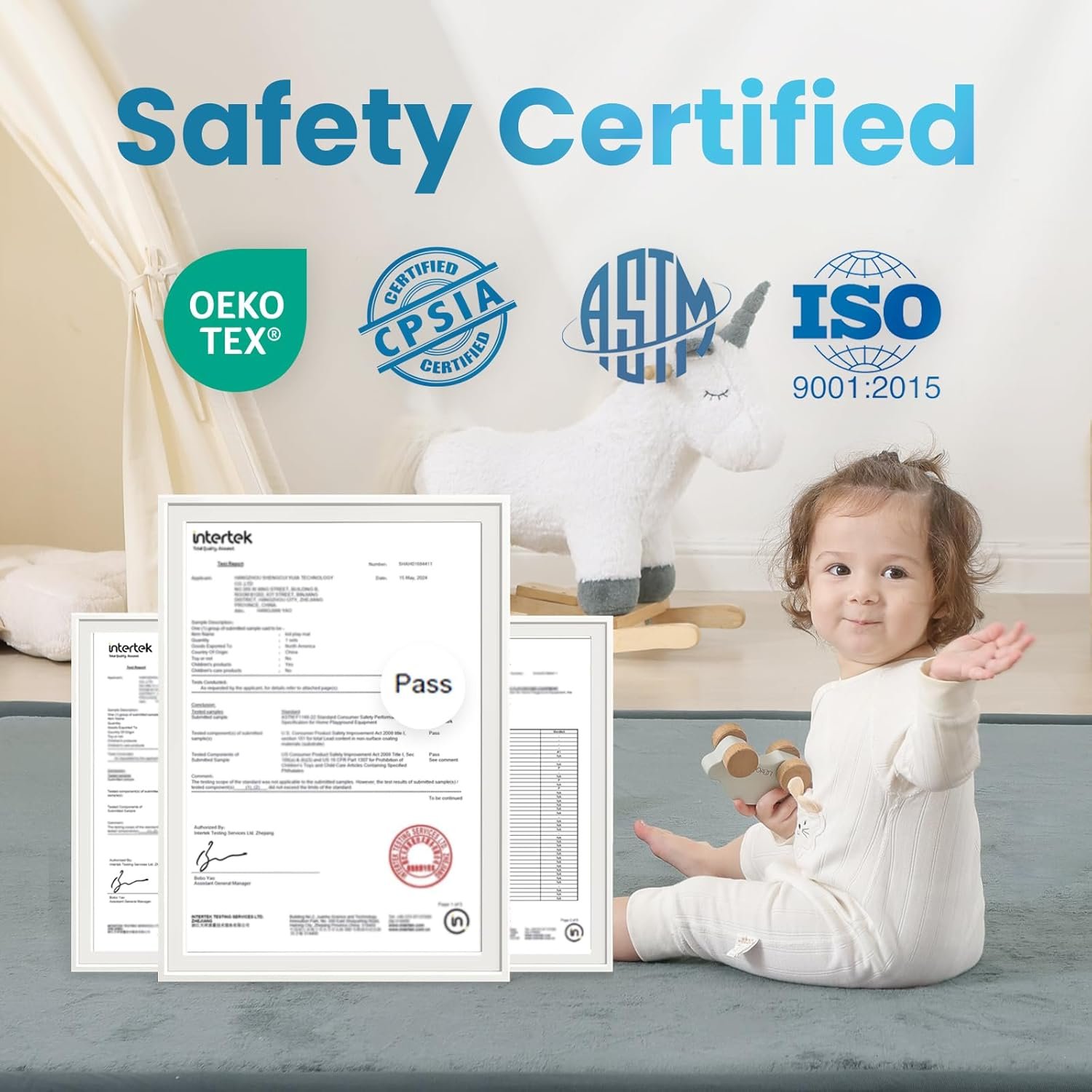
Material certifications add another layer of reassurance. OEKO-TEX® fabric and CertiPUR-US® certified foam speak to thoughtful sourcing and manufacturing. Parents concerned about daily skin contact and long hours of use will appreciate that focus on safety and peace of mind.
Nothing about the mat feels flimsy or temporary. It feels like a long-term piece of your home setup.
Why a Baby Play Mat Truly Matters
Floor time isn’t just play. It’s how babies build strength, coordination, and spatial awareness. A well-designed baby play mat supports that learning by removing discomfort and distraction.
When babies are comfortable, they stay engaged longer. Longer engagement leads to stronger muscles and more confident movement. This mat creates a space where babies can focus on discovery rather than reacting to hard or cold flooring.
Parents notice this quickly. Babies linger. They explore. They return to the same spot willingly, which builds familiarity and comfort.
Designed for Real Family Spaces
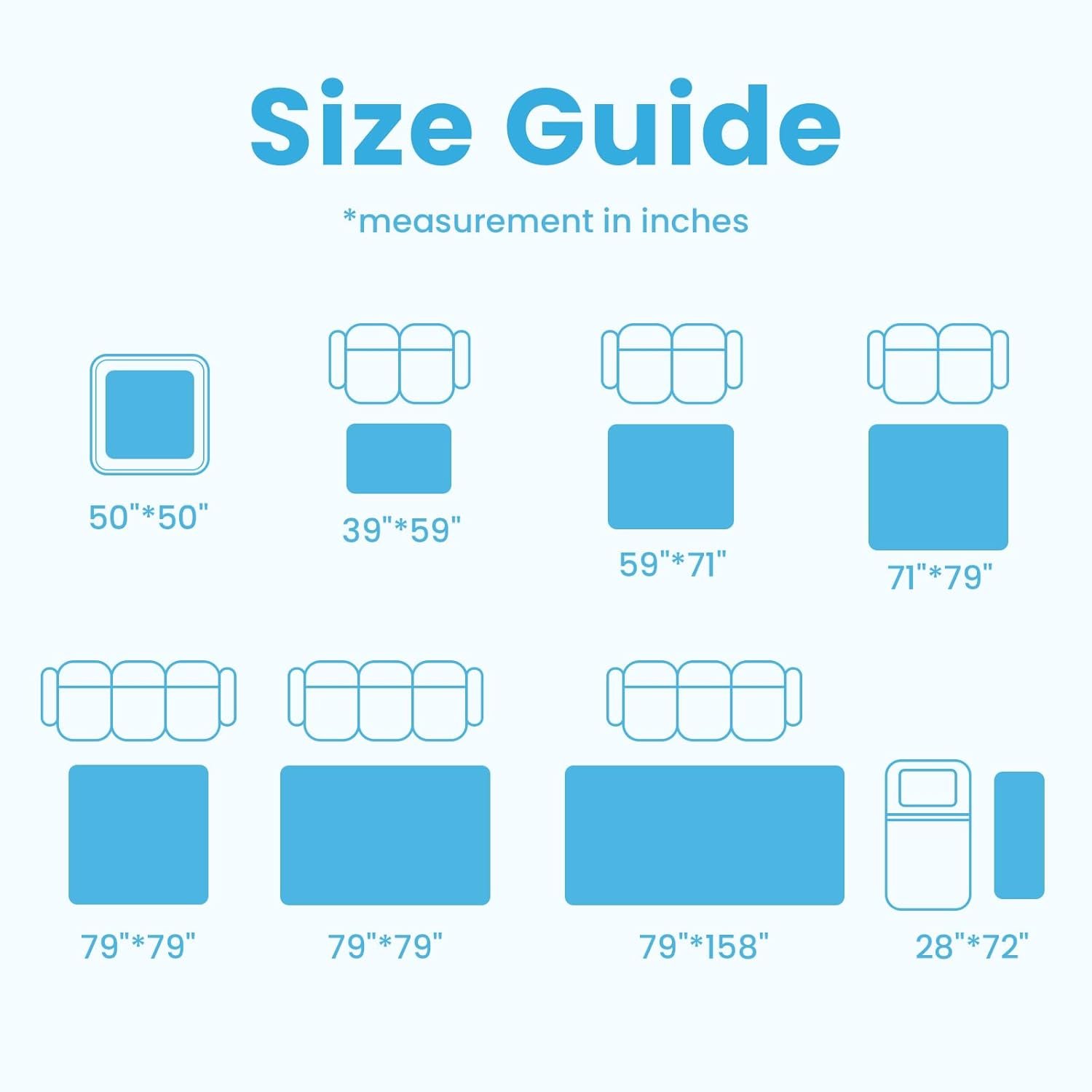
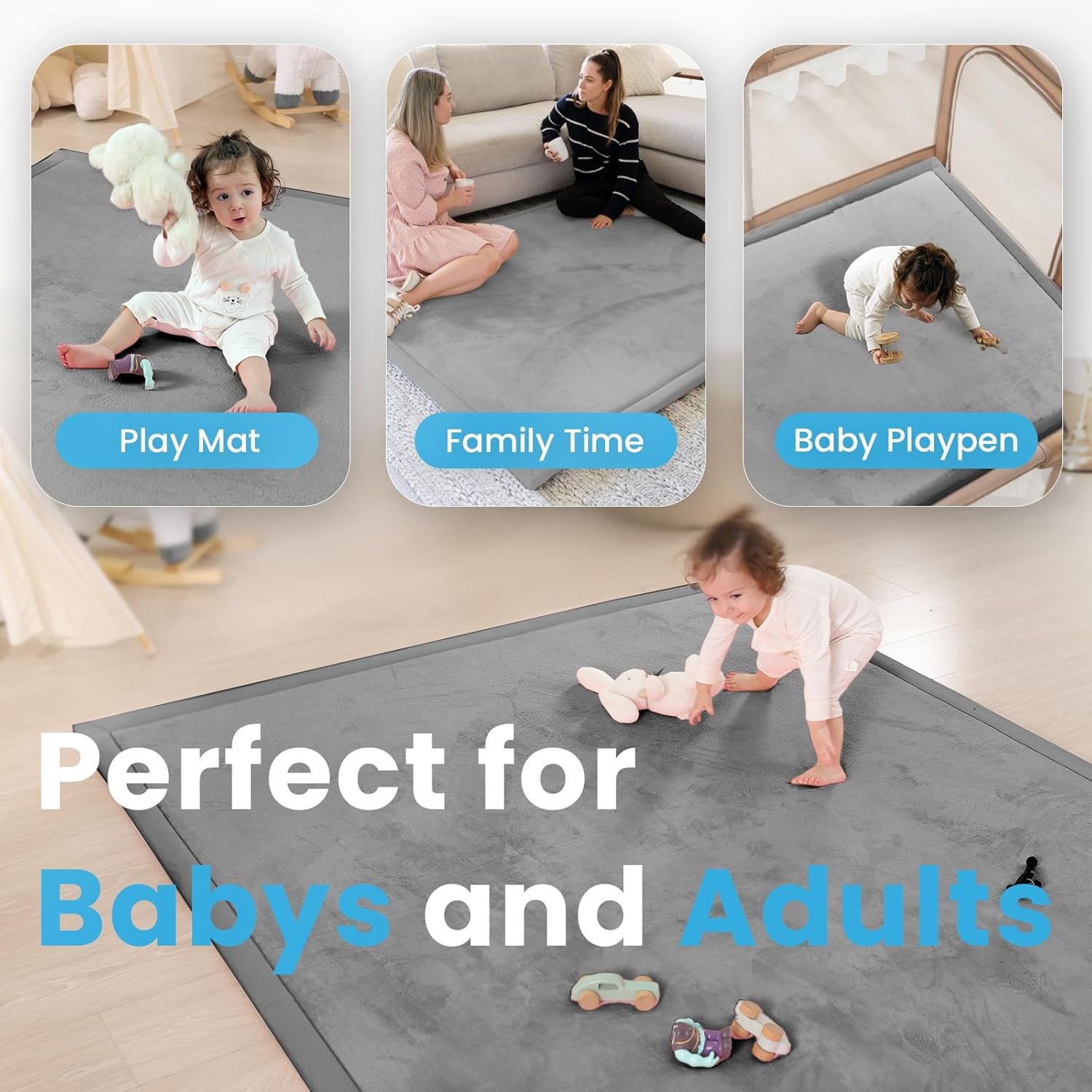
This baby play mat fits naturally inside playpens, nurseries, and open living rooms. Its size makes it versatile without feeling oversized. It becomes a defined play zone that still feels integrated into the home.
For families who already rely on premium support tools like the BabyBjörn Bouncer Bliss, the mat complements that approach to comfort and safety. While the bouncer supports rest and soothing, the mat supports movement and exploration on the floor. Together, they create balance between activity and calm.
Early Standing and Confidence Building
As babies begin pulling up and experimenting with standing, the mat’s thickness becomes even more valuable. It cushions small tumbles and gives parents peace of mind during that wobbly stage.
Babies sense that softness too. They’re often more willing to try again after a fall when the surface feels forgiving. That confidence accelerates learning in subtle but meaningful ways.
A Space Babies Recognize and Return To
Over time, this baby play mat becomes familiar territory. Babies recognize it as their space. That familiarity encourages independent play and comfort, even as surroundings change.
It’s not just a mat placed on the floor. It becomes part of daily rhythm. Morning play. Afternoon crawling. Quiet moments before naps.
That consistency is what makes it valuable.
Creating a Safe and Comfortable Space for Early Play
A thick baby play mat for a floor playpen provides a cushioned, supportive surface that helps protect little ones as they roll, crawl, and explore. Many parents like to place engaging activity pieces nearby, such as the Ingenuity Spring & Sprout 2-in-1 Baby Activity Center Jumper and Table with Infant Toys, to encourage movement and curiosity while keeping playtime safe. The extra padding of a quality mat adds peace of mind, especially during those early developmental milestones when babies are constantly learning new skills.
Supporting Relaxation and Movement Throughout the Day
A well-padded play mat works beautifully alongside soothing and movement-based baby gear. For quiet moments or gentle bouncing, the BabyBjörn Baby Bouncer Bliss, Perfect Dark Green, Woven, Petal Quilt offers ergonomic comfort that complements floor play sessions. When babies need more motion and calming sounds, parents often turn to the Graco Sway2Me Best Portable Baby Swing and Bouncer Seat with Music, Sounds, and Adjustable Settings, creating a balanced routine that includes active play, soothing movement, and comfortable rest—all centered around a safe, soft play area.
Daily Use and Real-Life Performance of a Baby Play Mat
How the Baby Play Mat Fits Into Everyday Routines
Once a baby play mat becomes part of daily life, its value shows up in small, repeated moments. Morning tummy time. Midday crawling practice. Quiet play while dinner is being prepared. This mat doesn’t need to be repositioned or constantly adjusted. It stays where it’s placed and becomes part of the home’s natural flow.
Parents quickly notice how easy it is to move through the day without worrying about the floor surface. Whether the mat sits inside a playpen or in the middle of a shared living space, it creates a reliable zone where babies can safely explore. That consistency allows parents to step back slightly while still feeling confident.
The thickness also changes how often parents intervene. Instead of hovering during every roll or shift, they allow more independence, knowing the surface beneath is forgiving and supportive.
Performance During Active Play Stages
As babies transition from passive floor time to active movement, the demands on a baby play mat increase. Crawling, rocking, scooting, and early attempts to stand all place pressure on joints and balance. This mat handles those stages with ease.
The high-density foam absorbs impact without rebounding too much. Babies don’t feel unstable or bounced out of position. When they tip forward or backward, the landing feels soft but controlled, which encourages them to try again rather than become frustrated.
The fleece surface also plays a role here. It provides enough grip for hands and knees without causing friction. Babies can push off confidently, which supports muscle development and coordination.
Supporting Parent Workflow Throughout the Day
A baby play mat isn’t just for babies. It affects how parents move, clean, and organize their space. This mat simplifies those routines rather than complicating them.
Spills are inevitable. Milk drips, snack crumbs, and diaper accidents happen daily. The water-repellent finish allows quick wipe-downs without removing covers or hauling the mat elsewhere. Parents spend less time cleaning and more time engaging.
The mat’s ability to stay in place matters too. On hardwood, tile, or carpet, the non-slip backing prevents bunching and sliding. Parents aren’t constantly straightening edges or repositioning corners, which reduces mental clutter during busy days.
Real-Life Scenarios Parents Instantly Recognize
Imagine a baby learning to crawl across the living room floor. Without a proper surface, parents often limit exploration to small areas. With this baby play mat, that hesitation disappears. Babies move freely, and parents watch progress rather than worry.
During playpen use, the mat transforms the space. Instead of a thin base that transmits every movement from the floor below, the thick cushioning creates a cozy, insulated surface that encourages longer play sessions.
It’s equally useful during family time. Parents can sit, kneel, or lie down beside their baby comfortably. That shared floor time becomes less tiring, which naturally leads to more interaction.
Comfort Over Longer Play Sessions
One of the most noticeable benefits of a well-designed baby play mat is how long babies stay content. Discomfort often ends play sessions prematurely. When the surface feels warm, soft, and supportive, babies linger.
The plush fleece surface helps regulate comfort, especially in cooler months when hard floors feel cold. Babies remain relaxed, which supports focus and engagement during developmental play.
Parents often notice fewer fussing episodes during floor time. Babies feel settled, and that calm extends to the entire household.
Integration With Other Everyday Baby Gear
A baby play mat works best when it complements other essentials rather than competing with them. This mat integrates naturally into homes that already prioritize comfort and thoughtful design.
For example, families using a premium seating option like the Stokke Tripp Trapp High Chair often appreciate gear that grows with their child. While the chair supports upright sitting during meals, the mat supports movement and exploration on the floor, creating balance between activity and rest.
It also pairs well with developmental tools such as the Lovevery Play Gym, providing a soft foundation that enhances play rather than distracting from it. The mat supports toys and activities without becoming the focus itself.
Encouraging Confidence Through Repetition
Confidence is built through repetition. Babies need to try, fail, and try again. A baby play mat that remains comfortable and consistent encourages that cycle.
When babies feel safe on the surface beneath them, they’re more willing to push boundaries. They reach farther, rock longer, and attempt standing sooner. Parents witness this progress firsthand, often without realizing how much the surface itself contributes.
Over time, the mat becomes associated with success rather than struggle.
Why Daily Reliability Matters More Than Features
Many baby products promise stimulation. Fewer deliver reliability. This baby play mat succeeds because it performs the same way every day.
It doesn’t shift unexpectedly. It doesn’t lose cushioning quickly. It doesn’t demand constant attention. Parents set it down and trust it to do its job.
That reliability reduces stress and supports routine, which is invaluable during early parenthood.
Long-Term Value, Growth Support, and Why a Baby Play Mat Remains Essential
Supporting Development Beyond the Early Months
As babies move past the newborn stage, their relationship with the floor changes. What once was a place for brief tummy time becomes the center of daily activity. Rolling turns into crawling. Crawling becomes cruising. A baby play mat that can support those transitions without losing comfort becomes increasingly valuable.
The thickness of this mat continues to matter as weight increases and movements become more forceful. Early standing attempts, knee drops, and playful tumbles are cushioned in a way that protects developing joints. Parents notice that their baby recovers quickly from small falls and returns to play without hesitation.
That sense of safety encourages continued exploration. Babies build confidence not because they never fall, but because falling doesn’t feel frightening or painful.
Adapting as Mobility and Strength Increase
As babies grow stronger, they test their environment more aggressively. They push off harder, rock faster, and move with purpose. A baby play mat must remain stable through those changes.
The non-slip backing continues to perform even as movement intensifies. The mat stays grounded on different floor surfaces, preventing bunching or sliding that could interrupt play or cause instability. That consistency allows babies to focus on movement rather than adjusting to a shifting surface.
Parents benefit too. They don’t need to constantly monitor the mat’s position or reset the play area throughout the day.
Durability That Extends Usefulness
Long-term value depends heavily on how well a product holds up to daily wear. This baby play mat is designed to handle repeated use without losing its core benefits.
The high-density foam maintains its cushioning over time rather than compressing unevenly. The fleece surface continues to feel soft and inviting, even after frequent cleaning. Stitching remains intact, and edges hold their shape without curling.
This durability makes the mat suitable not just for one developmental stage, but for many months, sometimes years, of daily use.
Growing With the Family’s Needs
As babies become toddlers, floor play remains relevant. Building blocks, puzzles, books, and imaginative play often still happen at ground level. A baby play mat that once supported tummy time now supports creativity and quiet focus.
Parents often find that the mat transitions naturally from a baby product into a general family floor mat. It becomes a place for reading together, stacking toys, or resting after active play. That versatility extends its usefulness beyond infancy.
In shared spaces, it continues to serve as a soft landing zone, even as furniture and routines evolve.
Maintaining Comfort Through Changing Seasons
Comfort isn’t static. Floors feel colder in winter and harder during longer indoor days. The plush surface of this baby play mat provides insulation and warmth, helping maintain comfort regardless of season.
Babies and toddlers remain more relaxed on a surface that feels inviting rather than harsh. That comfort supports longer play sessions, which in turn supports physical and cognitive development.
Parents also appreciate the warmth when sitting or kneeling alongside their child. Floor time becomes more enjoyable rather than something to rush through.
Peace of Mind That Grows Over Time
One of the most valuable aspects of a well-designed baby play mat is the peace of mind it provides. As parents grow more confident, they allow more independent play. That independence benefits both baby and caregiver.
Knowing the mat is made with certified materials and designed for daily skin contact reinforces trust. Parents don’t worry about what their child is touching or spending hours on each day.
That reassurance becomes more important, not less, as usage increases.
Why Parents Keep Using It Long After Purchase
Many baby products are exciting at first and forgotten later. A baby play mat often follows the opposite path. Its importance becomes clearer with time.
Parents find themselves returning to it daily because it simply works. It creates a predictable, comfortable space that supports development without demanding attention.
It doesn’t compete for focus. It supports what matters.
A Foundation That Continues to Matter
The early months pass quickly, but the habits formed during them shape daily life. A reliable baby play mat supports those habits by offering a safe, comfortable foundation for movement, learning, and connection.
As families grow and routines shift, this mat remains relevant because it was built around real use rather than short-term novelty.
It becomes part of the home, part of the rhythm, and part of the story of how a child learned to move, explore, and feel secure on the floor.


