
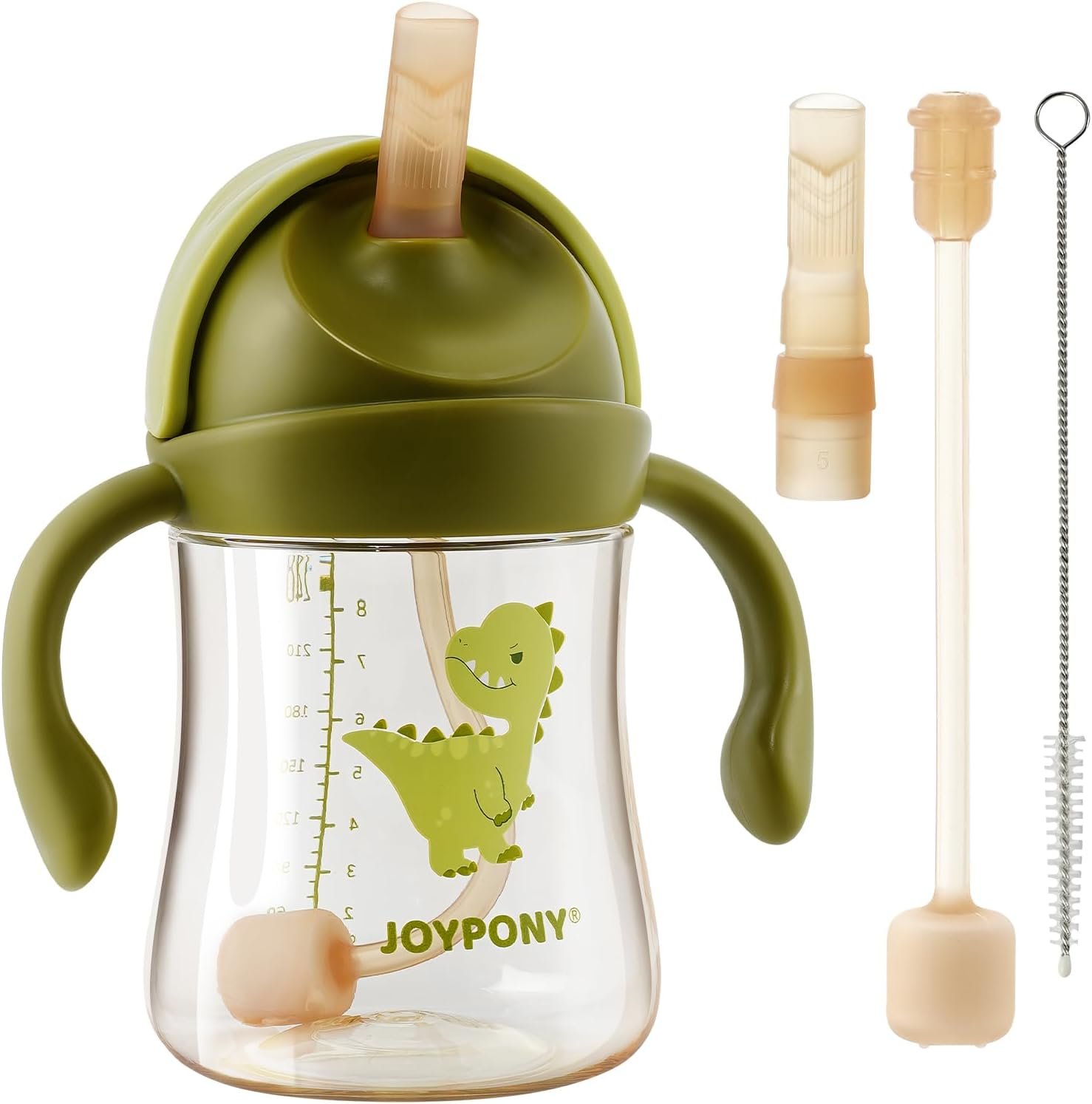
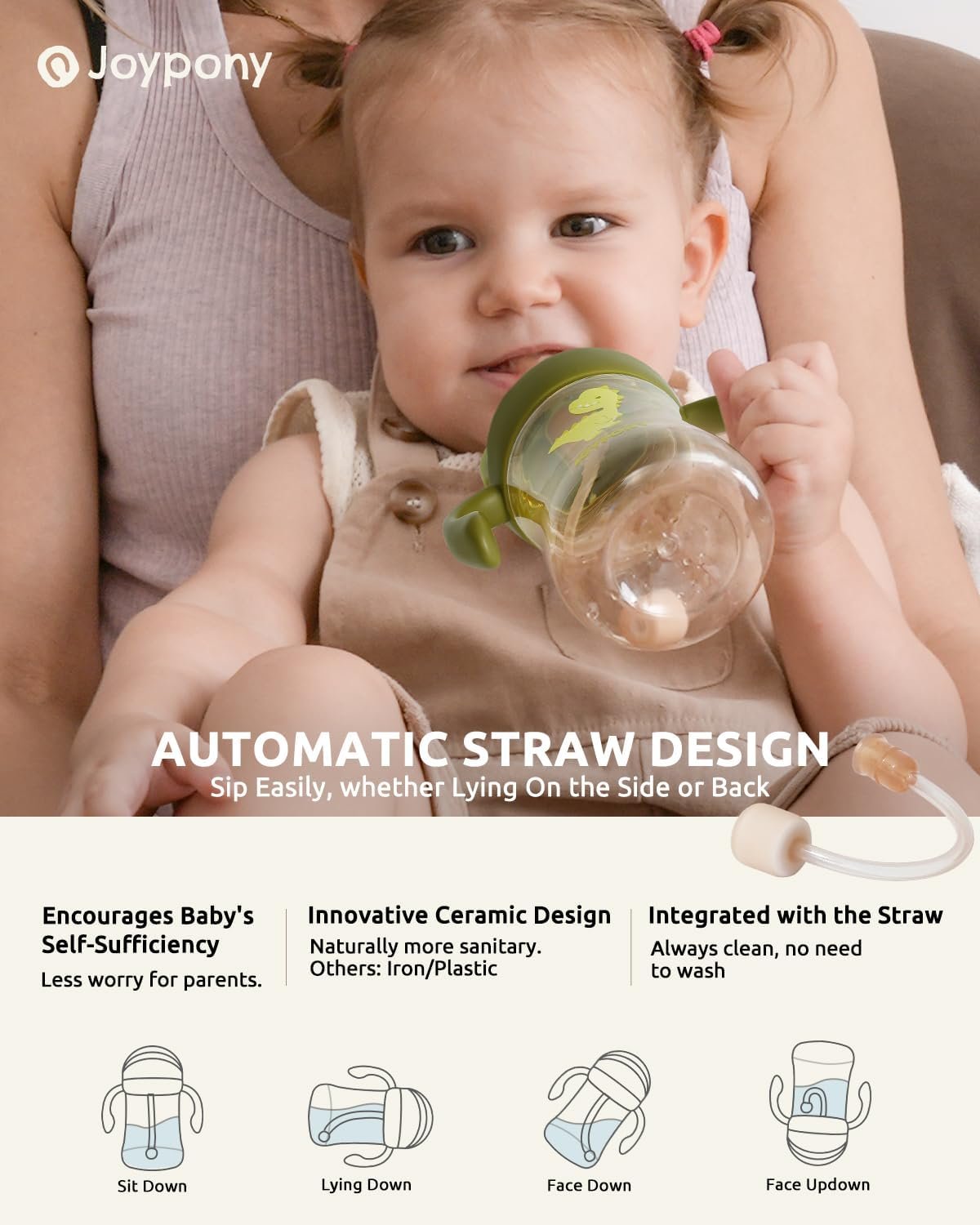
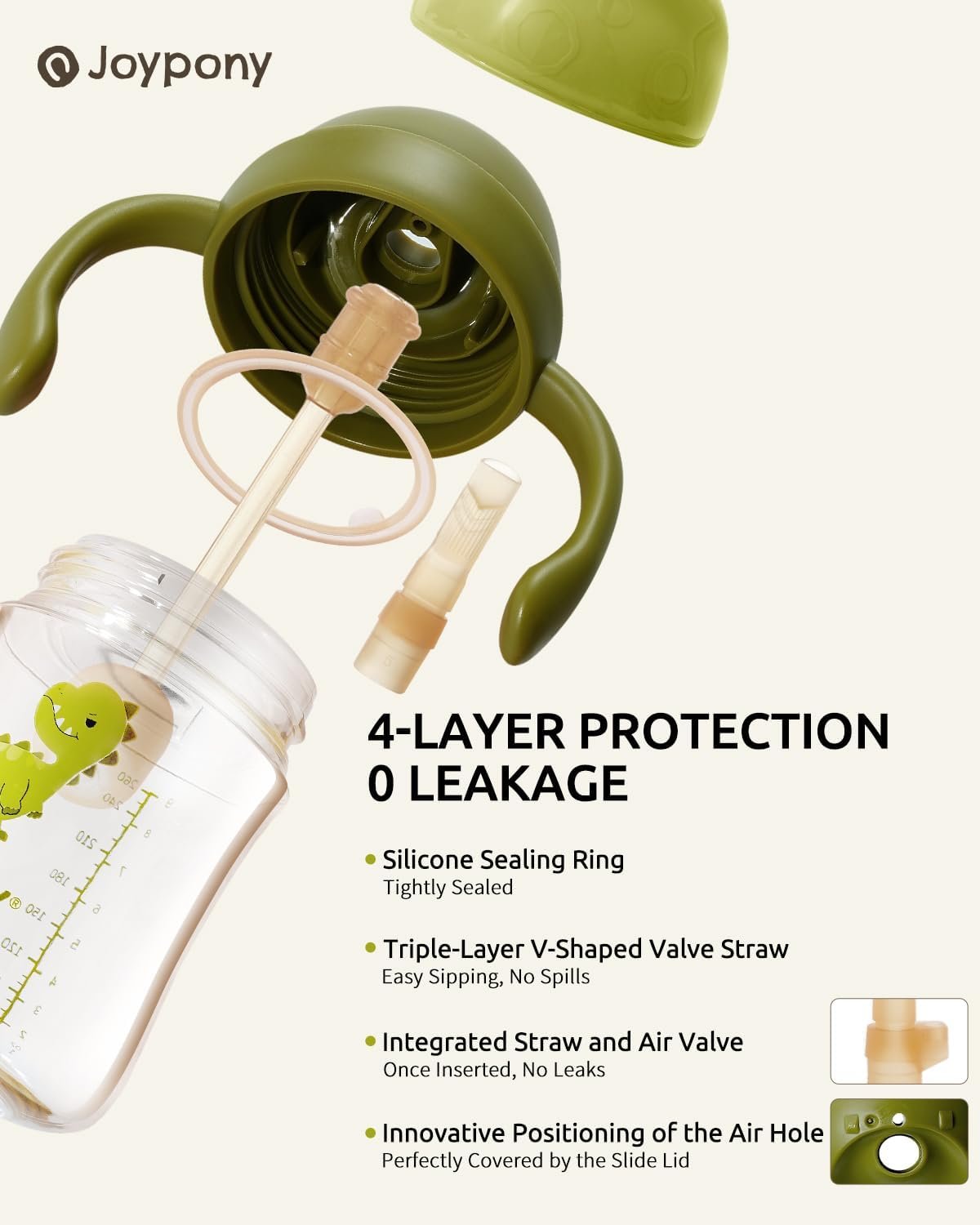
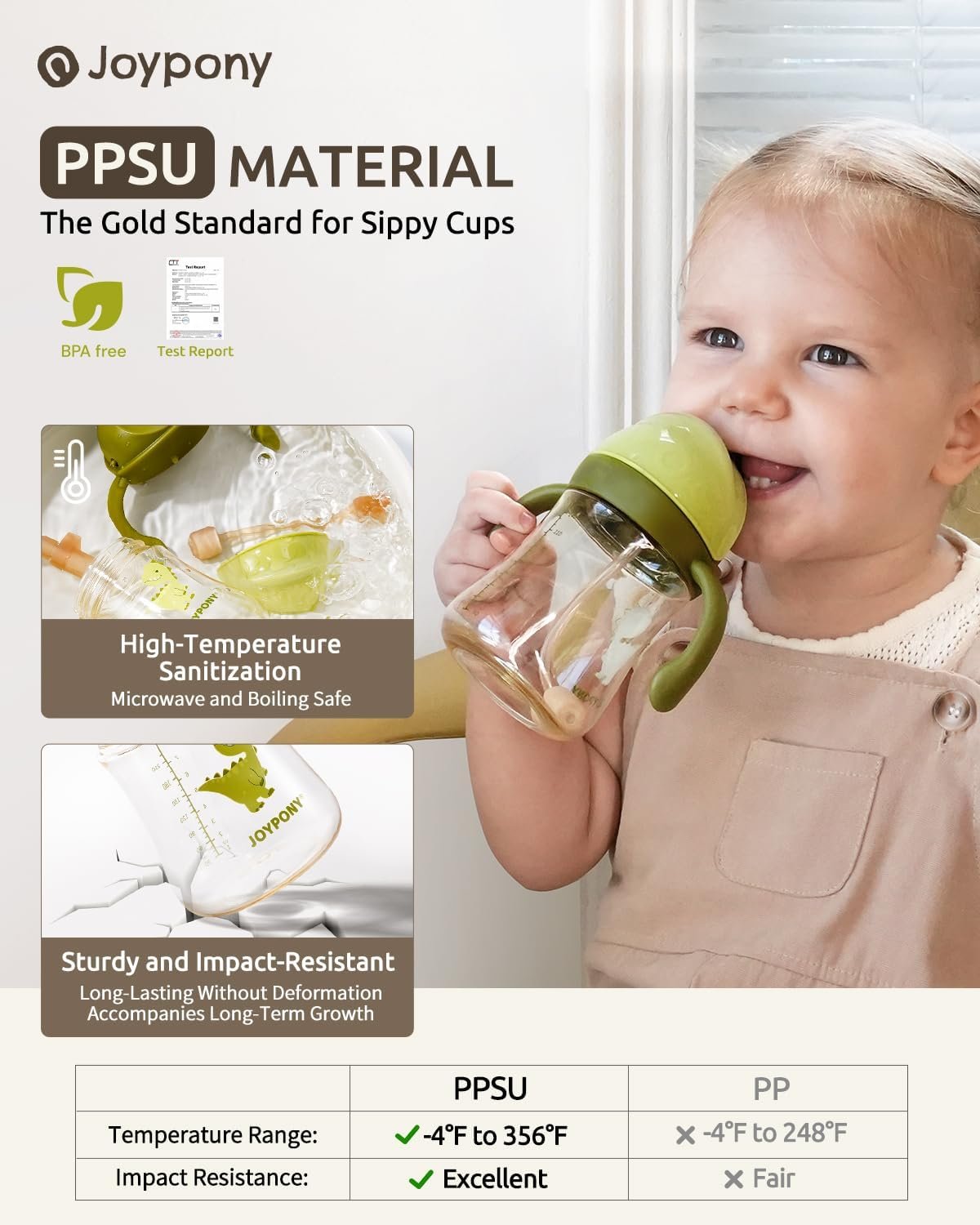
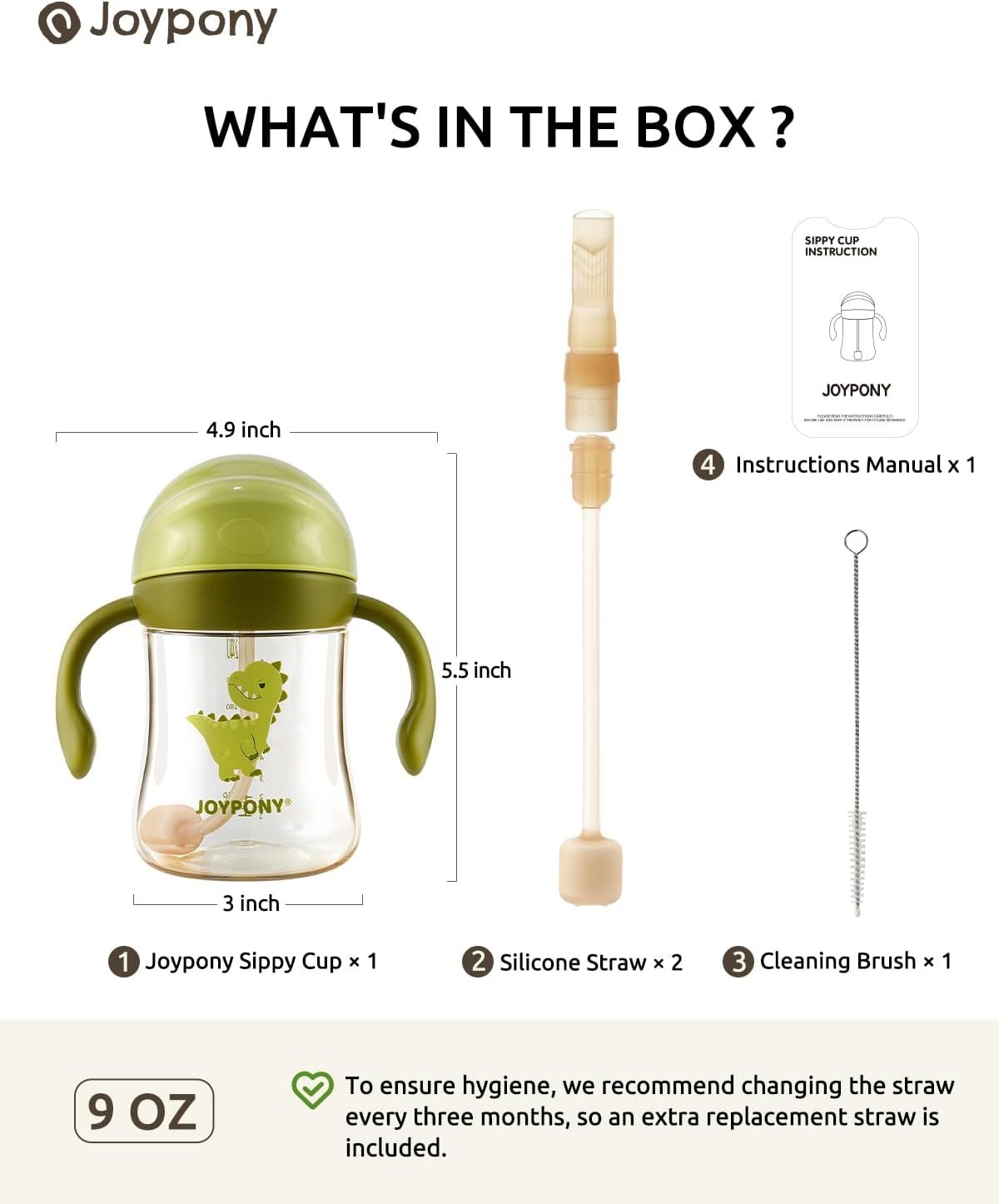
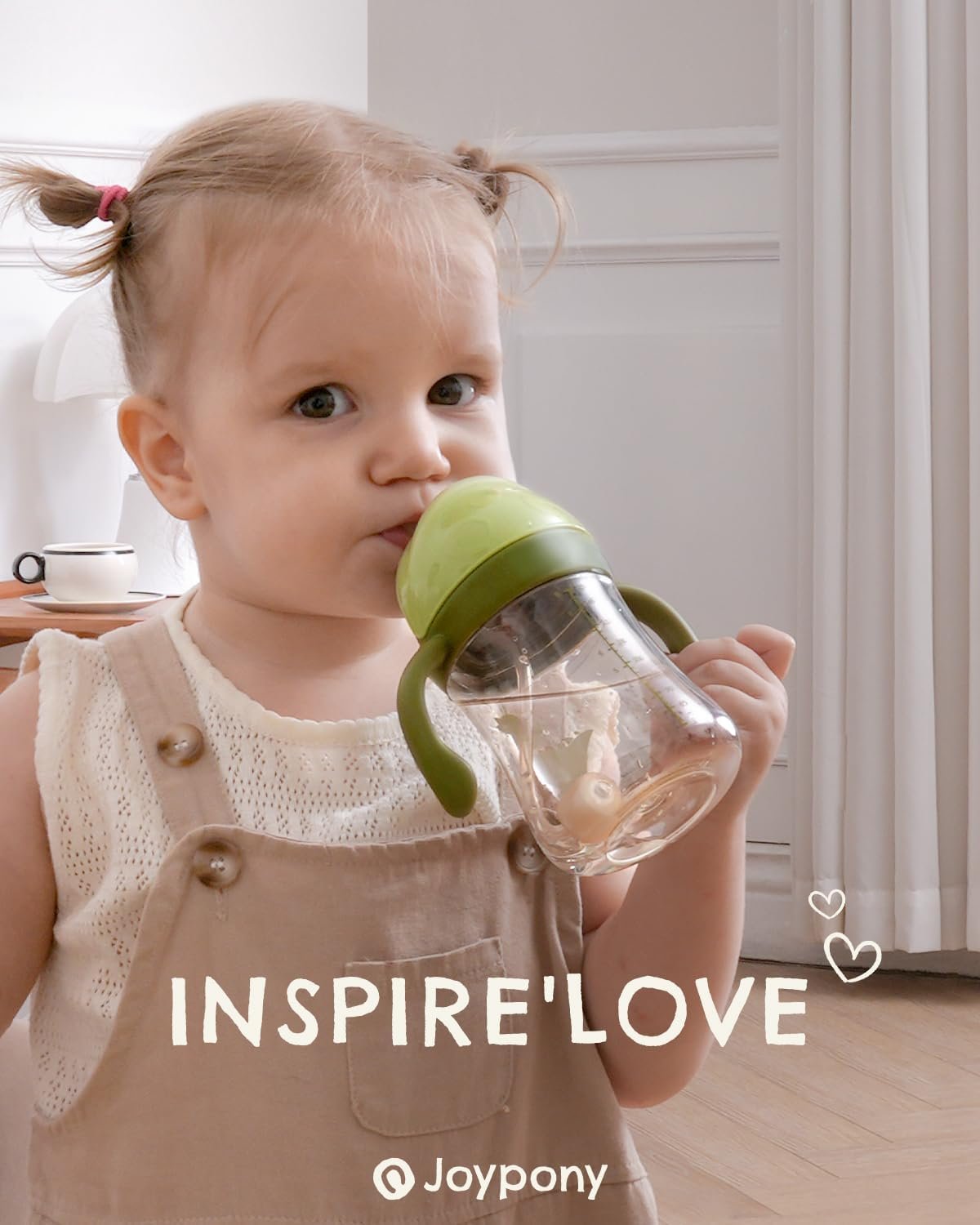

The Joypony Spill-Proof Weighted Straw Sippy Cup is a smart transition option for toddlers learning to drink independently. Crafted from durable PPSU, it features a four-layer anti-leak system and a weighted straw to allow sipping from any angle. Designed for children aged 6 months to 3 years, it’s easy to hold, clean, and toddler-approved — rated 4.7 stars on Amazon for its dependable performance and thoughtful design.
Sippy Cups That Support Confident, Mess-Reduced Drinking
An Expert Introduction to the Toddler Drinking Transition
The move from bottles to sippy cups is one of those milestones that sounds simple but rarely is. Toddlers are learning coordination, independence, and control all at once, and the cup they use plays a bigger role than many parents expect. Sippy cups aren’t just about holding liquid. They’re about confidence, motor development, and reducing daily mess without slowing progress.
The Joypony weighted straw sippy cup is designed for this exact transition stage. Instead of forcing toddlers to adapt to rigid cup angles or unfamiliar suction, it meets them where they are. The weighted straw allows drinking from nearly any position, helping toddlers succeed faster and with less frustration.
For parents tired of spills, tipped cups, and constant cleanups, the right sippy cups can genuinely change daily routines.
First Impressions That Feel Kid-Approved and Practical
At first glance, these sippy cups feel playful without being gimmicky. The dinosaur designs are cheerful and appealing to toddlers, while the overall shape feels balanced and intentional. The handles are easy to grasp, sized well for small hands without feeling flimsy.
Parents immediately notice the sturdiness of the cup body. The PPSU material feels solid and reassuring, not thin or disposable. When assembled, everything fits snugly, with no rattling or loose parts.
The weighted straw is visible but discreet, and parents can tell right away that it’s designed to move freely rather than restrict how the cup is held.
Build Quality That Handles Real Toddler Use
Sippy cups need to survive drops, throws, and repeated daily use. The Joypony cup holds up well under this kind of treatment. The body resists cracking, and the lid seals firmly without requiring excessive force.
The four-layer anti-leak design feels thoughtfully engineered. When the cup is shaken or tipped upside down, liquid stays where it belongs. Parents quickly test this, often before handing it over, and the performance builds immediate trust.
The wide neck opening is another standout detail. It makes filling, cleaning, and inspecting the cup easier, which matters when sippy cups are used multiple times a day.
Safety and Materials Parents Can Trust
Material choice matters, especially when toddlers chew on straws and cup edges. These sippy cups are made from BPA-free PPSU, a material known for durability and heat resistance.
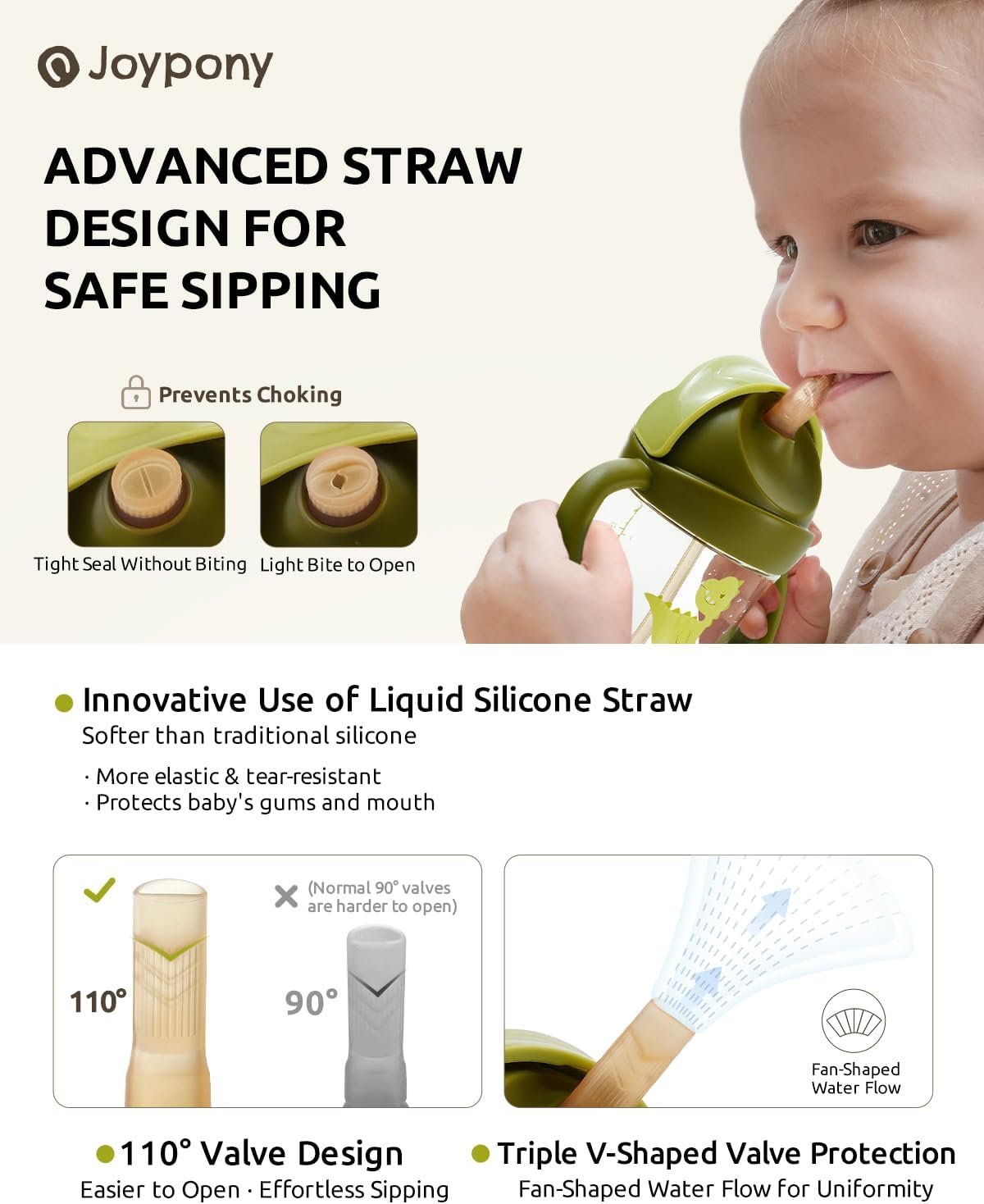
Parents feel comfortable offering milk, water, or diluted juice without worrying about material breakdown or chemical concerns. The straw itself feels flexible but resilient, reducing the risk of tearing or collapsing over time.
This focus on safety aligns well with households that already prioritize dependable baby gear, such as investing in a premium car seat like the Maxi-COSI Pria All-in-One Convertible Car Seat, where material quality and long-term reliability are non-negotiable.
Helping Toddlers Transition Confidently From Bottles to Cups
Sippy cups play an important role in helping babies move from bottles to independent drinking, supporting hand coordination and spill control during meals. Parents often find that keeping cups clean and ready is easier with a system like the Papablic Baby Bottle Washer & Sterilizer & Dryer, Best 4-in-1 for Bottles, Pump Parts, which handles cups, lids, and accessories with minimal effort. Having hygienic, dry sippy cups on hand helps make mealtimes smoother and more predictable.
Making Mealtimes Simple and Organized
Introducing sippy cups is often part of a broader mealtime routine that includes comfortable seating and easy cleanup. The Munchkin Float Foldable High Chair for Babies and Toddlers, Easy Storage fits well into this stage, giving little ones a secure place to sit while practicing drinking on their own. Together, a reliable high chair and well-maintained sippy cups help create a stress-free environment where toddlers can build confidence and healthy habits at their own pace.
Why Weighted Straw Sippy Cups Matter
Traditional sippy cups often require toddlers to tilt the cup just right to get a sip. That motion can be frustrating for younger toddlers who are still developing coordination.
Weighted straw sippy cups solve this problem by letting gravity do the work. The straw follows the liquid, allowing toddlers to drink from almost any angle. This reduces frustration and helps them stay hydrated without constant adult help.
Over time, this ease builds confidence and encourages independent drinking.
Supporting Fine Motor Development
Using sippy cups isn’t just about drinking. It’s about learning how to grip, lift, and control objects. The Joypony cup’s handles support this development by encouraging a natural hand position.
Toddlers practice bringing the cup to their mouth, holding it steady, and sipping through the straw. These small movements strengthen coordination and prepare them for open cups later on.
Parents often notice fewer spills not because the cup is magic, but because their child is more successful using it.
Spill Resistance That Reduces Daily Stress
Spills are one of the biggest pain points during the sippy cup stage. This design addresses that directly.
The anti-leak system performs well during everyday use. Cups can tip over on couches, car seats, or play mats without immediately soaking everything nearby. While no sippy cups are completely mess-proof in every scenario, this one significantly reduces cleanup frequency.
That reduction has a noticeable impact on daily stress, especially in busy households.
Easy Cleaning for Busy Parents
Cleaning sippy cups shouldn’t feel like a puzzle. The wide opening and simple construction make disassembly straightforward.
Parents can rinse and wash components quickly, whether by hand or in a dishwasher (following manufacturer guidelines). There are no hidden valves that trap residue easily, which helps maintain hygiene over time.
When cleaning is simple, cups get used more often and replaced less frequently.
Designed to Grow With Toddlers
These sippy cups are suitable from around six months up to three years, covering a wide developmental range. Parents don’t feel rushed to replace them after a few weeks.
As toddlers gain skill, the same cup continues to meet their needs. That longevity adds value and reduces the need for constant upgrades.
It’s a practical approach that respects how quickly kids grow.
Why Parents Keep Reaching for These Sippy Cups
In daily life, parents choose what works. Sippy cups that leak less, clean easily, and help toddlers drink independently naturally become favorites.
The Joypony weighted straw sippy cup earns its place through consistency rather than novelty. It performs the same way at breakfast, in the car, and before bedtime.
That reliability is what parents remember and recommend.
Using Sippy Cups in Everyday Toddler Life
How Sippy Cups Settle Into Daily Routines
Once sippy cups are introduced successfully, they quickly become part of nearly every daily moment. Meals, snacks, car rides, playtime, and bedtime all involve reaching for a cup. When a cup works well, parents stop thinking about it altogether, which is exactly the goal.
These sippy cups fit naturally into that rhythm. Toddlers learn quickly how to lift, sip, and set the cup down without help. Parents notice fewer interruptions and less constant supervision during drinking moments.
That independence is what makes the transition from bottle feel like progress rather than struggle.
Real-Life Performance With Active Toddlers
Toddlers don’t sit still to drink. They crawl, walk, tip cups sideways, and sometimes drink while lying on the floor. The weighted straw design proves its value here, allowing consistent flow regardless of angle.
In real-world use, toddlers don’t need to adjust how they hold the cup to make it work. The cup adapts to them. This reduces frustration and prevents the “shake and spill” behavior that happens when kids can’t get liquid easily.
Parents often notice their child drinks more simply because it’s easier.
Spill Resistance During Messy Moments
Spills don’t just happen at the table. They happen on sofas, carpets, and car seats. Sippy cups that leak even slightly add stress to already busy days.
These cups perform well during common mishaps. When knocked over or dropped, liquid stays contained far more often than with basic designs. While no cup is invincible, this one significantly reduces damage.
Families who spend long stretches out of the house—often pairing snacks and drinks with gear like the UPPAbaby Vista V3 Stroller—appreciate not having to worry about soaked seat liners or sticky messes mid-outing.
Supporting Smooth Mealtimes
During meals, sippy cups play a key role in keeping toddlers focused. When cups work easily, kids drink without fuss and return to eating or interacting.
Parents don’t need to intervene constantly to reposition the cup or wipe spills. That keeps meals calmer and more enjoyable.
In homes where mealtimes are already structured around toddler-friendly setups, such as using the Stokke Tripp Trapp High Chair, a reliable cup helps maintain that structure instead of disrupting it.
Encouraging Independent Drinking Habits
One of the most noticeable benefits of well-designed sippy cups is how quickly toddlers start managing them alone. Handles make gripping intuitive, and the straw encourages controlled sipping rather than sudden gulps.
Over time, toddlers gain confidence. They pick up the cup when thirsty and put it down when finished. Parents don’t feel like they’re constantly managing hydration.
This independence supports both skill development and smoother days.
Daily Cleaning and Maintenance Reality
Sippy cups are only helpful if parents don’t dread cleaning them. These cups disassemble easily, making rinsing and washing quick.
There are no overly complex valves or hidden crevices that trap residue easily. Parents can clean them thoroughly without extra tools or soaking.
Because cleaning is straightforward, parents are more likely to keep the same cups in rotation instead of switching constantly.
How Toddlers Respond Emotionally
Toddlers are sensitive to frustration. When cups don’t work, they throw them. When cups work, they drink.
Parents often notice fewer meltdowns related to drinking once these sippy cups are introduced. The design reduces obstacles, which keeps toddlers calmer and more engaged.
That emotional difference may seem small, but it shows up repeatedly throughout the day.
Transitioning Away From Bottles With Less Resistance
For many toddlers, the bottle-to-cup transition is emotional as well as physical. A cup that feels intuitive helps ease that shift.
The straw-based design offers familiarity without replicating bottle mechanics. Toddlers don’t feel like something is being taken away. They feel like something new is being mastered.
Parents appreciate a transition that doesn’t feel like a battle.
Everyday Flexibility Across Settings
These sippy cups perform consistently whether at home, in the car, or outdoors. Parents don’t switch cups based on location or situation.
That flexibility simplifies planning. One cup works everywhere.
When products adapt to life instead of demanding adjustment, parents notice immediately.
Why These Sippy Cups Stay in Rotation
In daily life, parents gravitate toward what works repeatedly. These sippy cups stay in use because they reduce mess, support independence, and don’t add maintenance headaches.
They don’t draw attention to themselves. They simply make everyday moments easier.
That quiet reliability is what turns a toddler cup into a daily essential rather than a short-lived experiment.
Long-Term Value, Skill Development, and Why Sippy Cups Stay Relevant
Growing With Toddlers as Skills Improve
As toddlers grow, their drinking skills change quickly. What starts as careful sipping turns into confident, independent hydration throughout the day. Well-designed sippy cups continue to support this growth instead of becoming limiting.
Because the weighted straw works regardless of cup angle, toddlers don’t outgrow the mechanics too quickly. The cup adapts as coordination improves, allowing children to drink comfortably whether they’re sitting, standing, or moving.
That flexibility helps the cup stay useful longer than many early-transition options.
Supporting a Smooth Path Toward Open Cups
One of the biggest concerns parents have is whether sippy cups delay the transition to open cups. When used thoughtfully, the right sippy cups actually support that progression.
Straw-based sipping encourages controlled mouth movements and steady airflow. Toddlers learn to regulate intake rather than tipping and gulping. These skills translate naturally when open cups are introduced later.
Instead of creating dependence, the cup builds foundational drinking habits.
Durability That Matches Long-Term Use
Toddlers are tough on their gear. Cups get dropped, thrown, and knocked off tables daily. Long-term value depends heavily on whether a cup can survive that treatment.
These sippy cups are built to handle repeated impact without cracking or losing their seal. Parents don’t notice gradual loosening or frequent replacements becoming necessary.
That durability means fewer purchases over time and less waste overall.
Staying Useful Across Different Developmental Phases
Between six months and three years, toddlers go through significant changes. Teething, growth spurts, and shifting routines all affect how and when they drink.
Sippy cups that remain comfortable through these phases reduce the need to constantly adapt. Parents don’t have to rethink hydration tools every few months.
The same cup continues to meet needs as routines evolve.
Reducing Daily Friction for Parents
Long-term value isn’t just about how long a product lasts. It’s about how consistently it makes life easier.
Sippy cups that don’t leak, don’t require special cleaning tricks, and don’t frustrate toddlers remove small but frequent stressors. Over weeks and months, that reduction adds up.
Parents notice fewer messes, fewer interruptions, and smoother days overall.
Supporting Consistency Across Care Environments
As toddlers split time between home, daycare, grandparents’ houses, or travel, consistency becomes important. Using the same sippy cups everywhere helps toddlers feel comfortable and capable regardless of setting.
Caregivers don’t need special instructions, and toddlers don’t need to relearn how to drink in each environment.
That consistency supports confidence and routine stability.
Encouraging Healthy Hydration Habits
Hydration habits form early. When drinking is easy and frustration-free, toddlers are more likely to drink regularly.
Parents often notice that toddlers using effective sippy cups drink more water throughout the day. This supports digestion, energy levels, and overall comfort.
Good hydration habits built early tend to carry forward.
Reducing the Need for Multiple Cup Types
Some households cycle through several cup styles trying to find one that works. A reliable sippy cup reduces that trial-and-error phase.
Parents don’t feel the urge to replace it quickly or search for alternatives. One cup handles most situations well enough to stay in regular use.
That simplicity saves time, money, and decision fatigue.
Knowing When It’s Time to Move On
Eventually, toddlers graduate to open cups. When that happens, parents don’t feel frustration or regret about the sippy cup stage.
The cup served its purpose, supported skill development, and made daily life easier during a demanding phase. It didn’t create obstacles that needed undoing.
That positive transition reflects thoughtful design.
A Practical Tool That Earns Its Place
Sippy cups may seem like small items, but their impact is daily and ongoing. When chosen well, they support independence, reduce mess, and help toddlers build real skills.
Over time, parents remember which products quietly worked and which didn’t. These sippy cups fall firmly into the category of tools that earn their place through consistency.
For families navigating the toddler years, that reliability is exactly what makes them worth keeping in rotation.


