

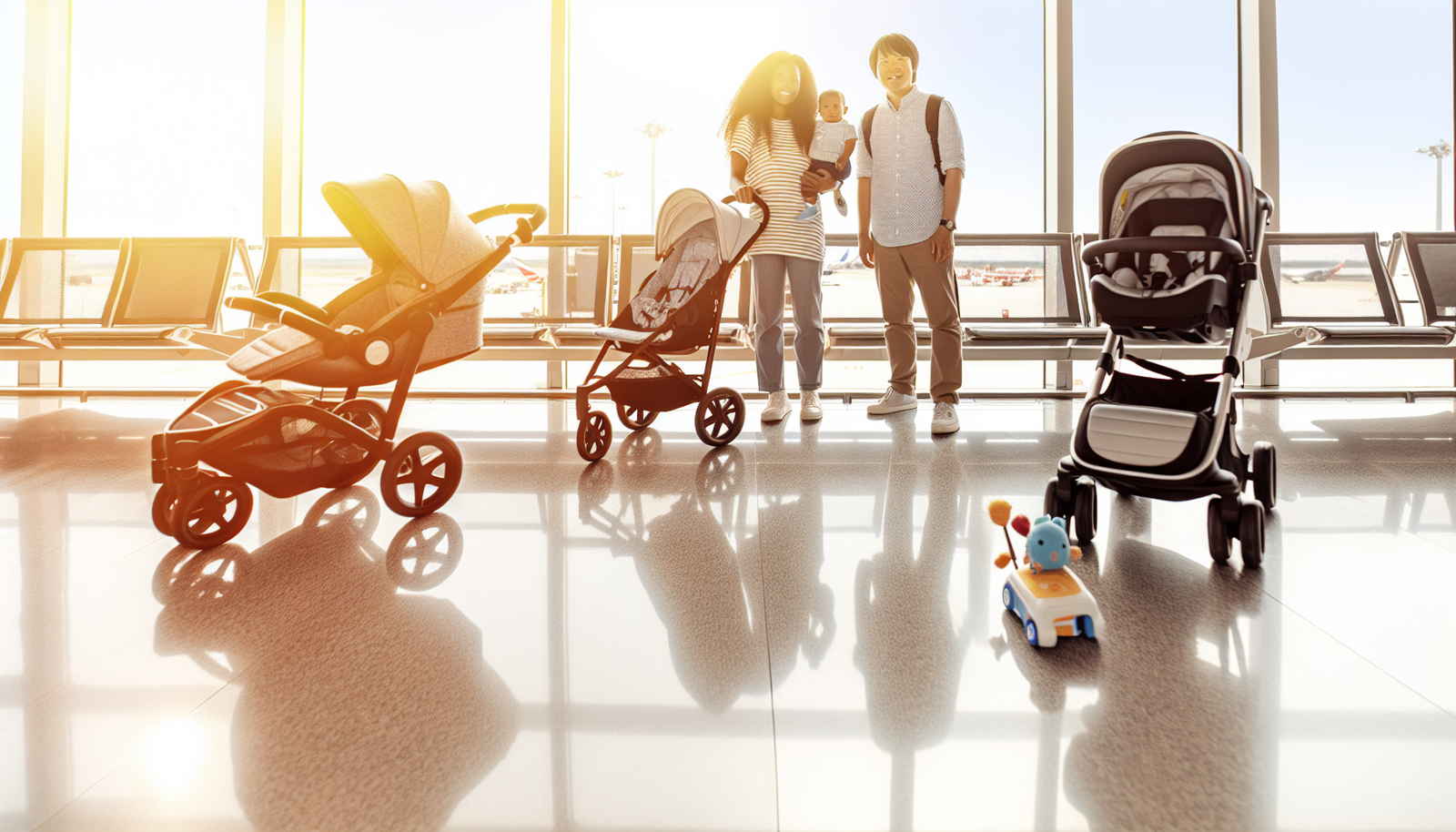
Choosing the right Strollers and Car Seats is essential for safety, comfort and convenience. This guide explores stroller types, car seat standards, travel systems, single and double options, doll strollers and trending brands such as Nuna and Baby Trend. Follow practical buying, installation and travel tips to find the best strollers and car seats match for your family’s lifestyle and journeys.
Types of strollers and car seats and core safety standards
Choosing the right strollers and car seats for your baby starts with understanding the different types and the safety regulations that protect children worldwide. Strollers come in many varieties:
- Pram/Carrycot: Flat sleepers for newborns, often detachable for overnight use.
- Infant stroller: Designed for newborns and small infants, with deep recline or bassinet options.
- Travel stroller: Lightweight, foldable strollers for parents on the go.
- Full-size stroller: Sturdy, feature-rich for everyday use and growth stages.
- Umbrella/travel stroller: Ultra-compact strollers ideal for quick errands or trips.
- Double stroller: For two children—side-by-side or tandem arrangements.
- Specialty: Baby doll stroller for play, baby trend stroller for specific brand needs, as well as modular stroller systems.
A great Strollers and Car Seats setup should simplify life over the long term, especially as your baby grows and your routine evolves. Families who want a seamless transition from infant rides to toddler adventures often appreciate the flexibility of the Graco Gomax Next Gen Travel System, which takes the guesswork out of moving between the car and stroller. As your child becomes more active and independent, pairing a dependable seat like the Graco Slimfit 3-in-1 Convertible Car Seat, Ultra-Space-Saving Design with whichever stroller best fits your lifestyle gives you a complete system that’s both safe and incredibly practical. Thinking in terms of how these pieces work together can make everyday travel smoother and much more enjoyable for everyone.
Car seats equally vary:
- Rear-facing infant seat (Group 0/0+): For infants up to 13kg (around 12-15 months).
- Convertible seats: Forward- and rear-facing for extended use.
- Forward-facing seats (Group 1): For toddlers, with internal harness.
- Booster seats: Raise older children to use the vehicle’s seat belt safely.
Carrycots allow newborns to lie fully flat, essential for spinal and breathing development in the early months, but they are not substitute for a rear-facing infant car seat, which is engineered for crash protection in moving vehicles.
Parents should look for regulation markings based on region:
- ECE R44/04 (Europe): Groups 0–3, based on child weight, setting requirements for crash protection and harnesses.
- ISOFIX/LATCH: Standardized anchoring systems that fix the car seat to the vehicle frame, minimizing installation errors and movement on impact.
- i-Size (UN R129): Latest EU standard, stresses extended rear-facing (to at least 15 months), enhanced side-impact protection, and mandatory ISOFIX anchoring for new models.
Key safety features for car seat and stroller selection include:
- 5-point harness (or 3-point minimum for strollers)
- Side-impact protection and energy-absorbing shells
- Full recline and infant padding
- Locking brakes and stable, wide wheel base (best stroller models provide anti-tip engineering)
- Official certification labels visible under the seat or shell
Common Installation Mistakes & Quick Fixes:
- Harness too loose — Tighten so only one finger fits under chest strap
- Chest clip too low or missing — Always at armpit level
- ISOFIX/LATCH not fully engaged — Double-check for click/green indicator
- Stroller brakes not locked — Always lock when parked
- Incorrect recline for newborn — Use flat or near-flat setting for infants under 6 months
Always verify compliance with local child passenger regulations and consider a certified installation or local inspection event for peace of mind, especially when choosing premium systems such as nuna stroller or baby trend products.
Choosing a travel system and stroller car seats combos
For city-dwelling parents, frequent travelers, and caregivers who constantly move between car and sidewalk, a travel stroller or integrated car seats and stroller combo offers more than convenience—it’s often essential. Imagine leaving your apartment, snapping a baby car seat directly into a baby car stroller base, then clicking it back into a stroller chassis for errands. This seamless transition cuts hassle, keeps your child sleeping, and enhances safety in busy urban life or during flight connections.
- Compatibility: Ensure your strollers and car seats or travel system are specifically compatible—look for same brand sets (like Nuna baby stroller with Nuna car seat) or cross-brand adapter options.
- Weight & Size: Check the weight of both baby car seat and stroller when combined. Can you lift both into a car trunk, or overhead on a plane?
- Click-In/Out Mechanism: Test for smoothness. One-handed release is ideal if often solo or holding a baby.
- Folding: Prefer a one-hand folding stroller, especially with car seat attached.
- Canopy & Recline: Look for integrated canopy coverage and adjustable seat recline—it matters for naps on the go.
- Installation: Ensure the baby car seat and stroller system includes an ISOFIX or LATCH base for certified safety and easy transfer between vehicles.
- Travel Friendly: Check travel stroller weight limits and airline compliance, especially if flying—some, like the best stroller by Baby Trend, fit overhead compartments.
- Verify both car seat and stroller fit in your vehicle trunk before buying.
- Attempt folding the stroller with car seat attached, one-handed if possible.
- Test the canopy when car seat is docked—does it shield fully from sun/rain?
- Practice harness adjustments, both on stroller for baby and car seat—should be quick and smooth.
- Check fabric removal and cleaning—babies inevitably make messes.
Integrated systems (one brand, no adapters) are quick, reliable, and ideal for newborns and short drives—as with Nuna or Baby Trend travel system. Modular adapters work for mixed-brand setups, longer-term use, or kids outgrowing infant seats.
- Integrated: Best for newborns, frequent car-stroller switches, city errands.
- Adapters: Good for caregivers with existing car seats, mixed brands, or unpredictable routines.
Never improvise adapters or force incompatible combos: this risks child safety.
- Detach car seat from ISOFIX/LATCH base in car (ensure handle is locked).
- Carry car seat with baby, keeping upright alignment.
- Click car seat securely onto stroller chassis until you hear/feel a lock.
- Check all connection points by tugging firmly.
- Secure harness, adjust canopy, and you’re ready to roll.
Single strollers double strollers and doll strollers explained
When selecting the best stroller, understanding the differences between single strollers, double baby strollers, and baby doll strollers is key for meeting your family’s practical and developmental needs. Single strollers are purpose-built for one child, offering school-run parents and families with an infant or toddler ultimate ease of maneuverability, lighter weight and simplified folding—perfect for daily errands or travel strollers. In contrast, a double stroller is essential for twins or siblings close in age who need to ride together. These strollers are larger and heavier but remain the go-to solution for growing families who want convenience and cohesion on outings.
When choosing the right gear for outings, it’s worth looking beyond the basic features and focusing on how each stroller fits your everyday routine. The Baby Trend Double Stroller with Canopy Visors is a great example of a model built for real-life use, offering shade, flexibility, and comfort during busy family days. On the other hand, parents who prefer a lighter touch may appreciate how the Mompush Lithe Double Stroller for 2 combines portability with comfort, making it easy to navigate parks, malls, or school runs without feeling weighed down. Each option provides its own set of strengths, helping families match their stroller choice with their lifestyle and pace.
Double Stroller Types Compared:
- Side-by-side doubles:
- Equal seat access for both children and allows communication during rides
- Trade-offs: Wider frame can be a challenge in narrow aisles or doorways
- Primary use: Twins or siblings close in age with similar ride needs
- Tandem (front-and-back) doubles:
- Narrower, easier through standard doors and hallways
- Trade-offs: May feel heavier to steer, less visibility for rear child
- Primary use: Siblings of different ages
- Convertible strollers:
- Begin as a single and expand to a double baby stroller with a second seat
- Trade-offs: Added future flexibility, but extra cost and weight
- Primary use: Growing families planning ahead
- Stroller wagons:
- Spacious, all-terrain, fun for park trips and adventures
- Trade-offs: Bulky fold, often larger than most double strollers
- Primary use: Multiple kids, gear, or even as a play spot at events
Measure Before You Buy:
- Doorway widths at home and most-frequented locations
- Trunk space when stroller is folded (length, height, width)
- Elevator or hallway clearances
- How much the weight of the double stroller affects lifting and loading
Always test your chosen double stroller model with your car and home’s real measurements before buying.
Baby Doll Stroller & Doll Stroller Role:
- Developmental toys for nurturing, gross motor and imaginative play
- Lightweight, typically plastic frame, fabric seats, simplified mechanisms
- Shorter height suited for toddlers—never use them in place of a real stroller
- Help children learn responsibility and stroller “etiquette” before handling a sibling’s best stroller
Supervision & Selection for Toy Strollers:
- Provide constant supervision, especially outdoors
- Choose sturdy, tip-resistant models with no sharp edges
- Keep doll strollers for toys only—never for transporting real infants or pets
Single vs. Double Decision Flow:
- If you have one child and minimal storage, a single stroller or travel stroller offers simplicity
- If anticipating another baby soon or having twins, invest in a convertible or double baby stroller
- For older/taller siblings, consider stroller wagons or tandem options for best stroller flexibility
- Budget-conscious? Evaluate second-hand double strollers or single-to-double models for longevity
- Frequent travelers: prioritize lightweight and airline-compliant options, for both single and double strollers
Brand trends and spotlight on Nuna and Baby Trend
Recent strollers and car seats trends are shaping purchasing decisions more than ever. Families are gravitating to compact travel strollers, modular travel systems that seamlessly connect strollers and car seats, and lightweight baby travel strollers for airport or city life. There’s a heightened spotlight on enhanced safety standards, easy folding mechanisms, comfort padding, and features like one-handed operation, adjustable handlebars and all-wheel suspension. Modern parents expect car seat stroller combinations to merge convenience and safety, while keeping their options open for growth or upgrades as their child develops.
Premium Brands vs Value/Mainstream Brands
- Materials: Premium brands use high-end textiles, plush padding, and durable frames. Value brands focus on robust basics for everyday use.
- Design: High-end brands emphasize sleek aesthetics and modularity; value brands prioritize simple, functional layouts.
- Warranty: Premium brands typically offer longer or more comprehensive warranties, sometimes with accident protection.
- Weight: Premium models aim for lighter frames without sacrificing stability; value brands may be heavier but highly robust.
- Compatibility: Luxury brands engineer advanced modular systems compatible with more adapters and future models.
- Innovation in Safety: Top-tier brands often debut new safety features (e.g., side-impact protection, anti-rebound bases).
Spotlight: Nuna and Baby Trend
- Nuna: Known for high-end style, engineering, and finishes, Nuna strollers and car seats (like the extremely popular nuna stroller and nuna baby stroller) target parents seeking contemporary design, eco-friendly materials, and advanced safety. Their modular systems allow for newborn-to-toddler conversion, and are praised for easy transitions between car seat and stroller. Consumers applaud comfort and build, but remind new buyers to check vehicle compatibility and budgeting for accessories.
- Baby Trend: Well-regarded as a value-focused, family-friendly brand. Baby trend stroller products offer practical features, durability and broad compatibility—especially in double baby strollers, travel systems, and everyday baby car seat and stroller solutions. Users highlight affordability and the straightforward function, but sometimes mention a less premium feel or heavier construction in lower-priced models.
Tips for Evaluating Brand Claims
- Check third-party crash-test reports and safety certifications for car seats and travel systems.
- Review warranty details: What’s covered, duration, and accident/replacement policies.
- Assess the availability of replacement parts and local repair/service options.
- Use verified retailers who offer hands-on demos and certified car seat installation help.
In practice, don’t let brand reputation overshadow true fit for your needs and lifestyle—use search terms like “nuna stroller”, “nuna baby stroller” or “baby trend stroller” to zero in on compatibility, real-world user feedback, and true value beyond the logo.
Buying installation maintenance and travel tips
Buying Checklist for Strollers and Car Seats
- Safety certification: Ensure every stroller, car seat, and travel system has up-to-date JPMA/ASTM or equivalent certification logos visible. *Never use expired or uncertified equipment.*
- Age/weight fit: Confirm both strollers and car seats match your baby’s current height/weight. Don’t size up “to grow into”—fit is crucial for safety.
- Installation method: Choose between ISOFIX/LATCH or seat belt for your car seat installation. Check your vehicle manual for supported hardware.
- Stroller fold and size: For urban or frequent travelers, prioritize a compact, easy-folding travel stroller or baby car stroller with a carry handle.
- Storage and maneuverability: Under-seat basket size and one-handed steering are essentials for daily use and convenience.
- Travel-friendliness: Look for lightweight options, especially modular car seat stroller combos and best baby strollers that work with infant seats.
- Budget: Price varies widely between brands; allocate extra for easy-install car seat bases or a double baby stroller/double stroller if needed.
Step-by-Step Car Seat Installation (using ISOFIX/LATCH)
- Place the car seat or infant carrier on the vehicle seat.
- Locate the vehicle’s lower anchor points (check behind seat cushions).
- Attach car seat connectors to anchors until you hear an audible click.
- Press down firmly on the seat and tighten the adjustment strap until immobile.
- Attach the top tether (for forward-facing seats) and tighten.
- Confirm: The car seat should not move more than 1 inch side-to-side or front-to-back.
- Troubleshooting:
- Loose fit? Recheck anchors and retighten straps.
- Angle warning? Adjust recline settings on car seat base.
- Belt path confused? Follow color-coded diagrams on labels/manuals.
Strollers and Car Seats Maintenance Checklist
- Wipe strollers and car seats frames weekly; spot clean fabric and rinse buckles.
- Remove and wash fabric covers per manual (gentle cycle, air dry only).
- Inspect wheels for damage; test brakes regularly.
- Check harness and chest clip; look for fraying, corrosion, or fatigue.
- Review car seat expiration date (usually 6-10 years from manufacture).
- Store gear indoors, away from sun and humidity when not in use.
- Replace if: plastic cracks, harness/clip fails, or after a car accident.
Travel Tips for Strollers & Car Seats
- Consult airline strollers and car seat policies—most allow gate-check of one baby car seat and stroller per child.
- Choose baby travel stroller models labeled “airline cabin approved” if carrying on.
- Pack a universal car seat travel bag and check for adapter compatibility if renting a car abroad.
- Practice transferring baby from car seat to stroller (or from car seat stroller to travel stroller) while “asleep”—keep buckles loose, move steadily, and support neck and head.
Next Steps Checklist for your Strollers and Car Seats
- Inspect your current baby car seat and stroller for damage and expiration.
- Schedule a certified car seat installation check at the nearest inspection station.
- Test-fold new baby travel stroller and see if it fits in your trunk or entryway.
- Record equipment expiration/replacement dates in your phone or calendar.
Conclusions
Selecting the best strollers and car seats means balancing certified safety, ease of installation, and daily usability. Prioritize rearward-facing and ISOFIX/LATCH or i‑Size compatibility where applicable, and choose a stroller type that fits your routine — single, double or travel-friendly. With informed buying, regular checks and proper installation you’ll provide comfort and protection for your child on every trip.