

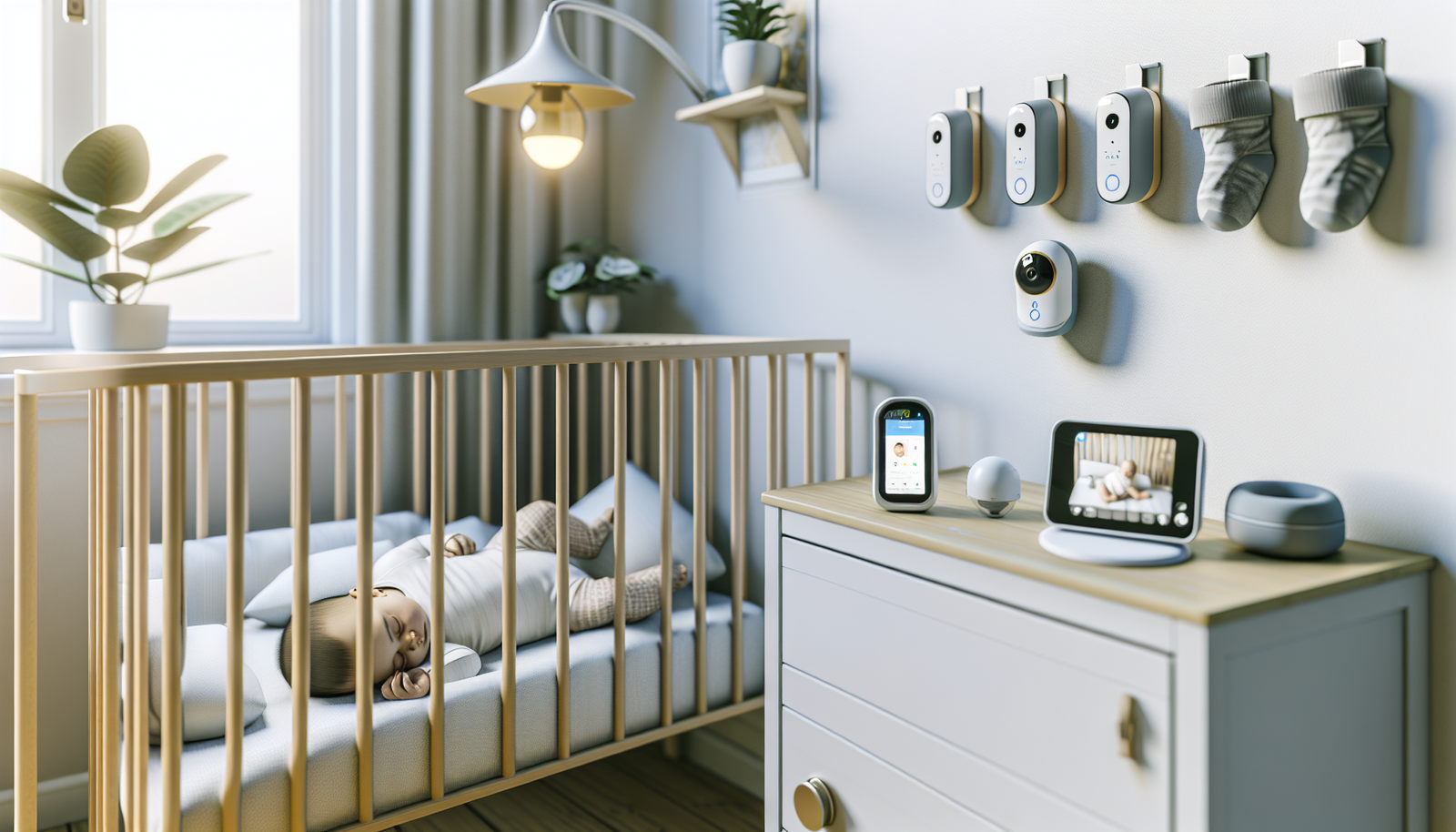
Choosing the right baby camera and baby monitors—audio, video, Wi‑Fi or movement sensor—matters for infant safety, sleep tracking and parental peace of mind. This SEO-friendly guide examines leading brands VTech, Nanit, Owlet, eufy and HelloBaby, explains technology differences, privacy and safety considerations, car and travel monitor options, and gives practical buying, installation and maintenance advice to help you choose the best baby monitor for your family.
How baby monitors work and the types available
A baby monitor is a device that helps parents remotely listen to or observe their baby, providing crucial peace of mind and immediate awareness of an infant’s sounds and behaviors. Its primary purpose is to transmit audio or video signals from a nursery or car seat to another location, so caregivers can respond promptly to needs or emergencies.
Understanding the Latest Baby Monitor Technology in 2025
Baby cameras and monitors have evolved significantly, offering parents more insight and reassurance than ever before. In 2025, many families look for features like real-time breathing data, sleep tracking, and intelligent alerts that help them respond quickly and confidently. Advanced options such as the Best Smart Baby Monitor 2025, SenseIQ Sleep and Breathing Rate Tracking, Cry Detection reflect this shift toward smarter, more proactive monitoring, making it easier to understand your baby’s sleep patterns without constant manual checking.
Choosing a Monitor That Fits Your Home and Routine
The best baby monitor is one that fits seamlessly into your daily life while providing clear visuals and reliable alerts. Parents who want high-definition video and app-based control often gravitate toward solutions like the Momcozy Smart WiFi Baby Monitor with Camera and Audio, 5″ 1080P Screen with Wall Mount, Motion & Cry Detection, Safe Fence, Clear Night Vision, which offers flexibility for both daytime naps and overnight monitoring. When combined with thoughtful placement and a consistent sleep routine, modern baby monitors help create a safer, calmer environment for both babies and parents.
The origins of baby monitors trace back to the Zenith Radio Nurse introduced in 1937, the earliest known baby monitor designed by Isamu Noguchi. Early systems offered basic one-way audio using analogue radio transmission. Over the decades, evolving parental needs and advances in tech led to the rise of digital audio, infrared video, wearables for health tracking, and highly connected smart monitors linked to smartphones or home networks.
Today’s broad range of baby monitors can be grouped as follows:
- Audio-only monitors: Basic setup with a transmitter near the baby and a receiver for the parent; many feature two-way talk so parents can soothe infants remotely.
- Video baby monitors: Incorporate a camera with night vision (infrared LEDs) and receiver screens, or feed live video via mobile apps. Features can include pan/tilt/zoom and sound-triggered alerts.
- Movement monitors: Rely on sensor pads placed under the mattress; if no movement is detected for typically 20 seconds, an alert triggers, aiming to warn of possible distress.
- Wearable/biometric monitors: Use sensors (for example, a “sock” or clip) to monitor pulse, oxygen levels, or sleep, alerting caregivers if readings fall outside preset ranges.
- Car and travel monitors: Include camera-equipped mirrors and specialized systems that transmit live images or audio from the vehicle’s rear seat to the driver’s view.
Wireless technologies vary:
- Analogue radio (historically used): Prone to interference and eavesdropping.
- DECT digital audio: Dedicated frequencies for clearer sound and better security.
- Wi‑Fi enabled monitors: Support streaming via 2.4 GHz (wider range, more interference) or 5 GHz (faster, shorter range) networks, connecting locally or via the internet.
Typical features and trade-offs:
- Audio-only: Reliable, affordable, longer range; lacks visual info.
- Video monitors: Visual reassurance, night vision, remote control; can be more complex and reliant on Wi‑Fi.
- Movement/biometric monitors: Health insights; potential for false alarms, more costly, may require wearables.
- Car monitors: Boost travel safety; dependent on vehicle power and correct placement.
Most monitors offer limited ranges (often 100–1000 feet), can suffer from wireless interference, and provide extras like lullabies, temperature sensors, and remote pan/tilt—yet none are foolproof substitutes for direct supervision.
With this foundation, we can now compare how brands like VTech, Nanit, Owlet, eufy, and HelloBaby translate these monitor types into product lines and distinct feature sets.
What the major brands offer and how they differ
VTech stands out as a longstanding global leader in the baby monitor market, well-known for affordable, broad-range monitors—from dedicated audio devices to robust non-Wi‑Fi video models. VTech’s strength lies in its user-friendly, plug-and-play units, making it an ideal choice for budget-conscious buyers and privacy-focused families seeking alternatives to internet-connected devices. A typical VTech baby monitor delivers secure transmission (often on DECT 6.0 or other proprietary frequencies), reliable audio/video, and extras like temperature sensors or lullabies. However, they generally lack smart analytics, mobile notifications, or cloud-based features, and rarely offer app control or remote access via Wi‑Fi.
Nanit is a younger brand grounded in Wi‑Fi camera technology and advanced sleep analytics. Nanit’s hallmark is its overhead monitor—mounted high to provide a comprehensive crib view—paired with AI-driven insights on sleep patterns and movement. Its products strongly appeal to data-oriented, sleep-optimizing parents who want to track rest quality and developmental milestones remotely. Features like video libraries and tracking graphs often require a subscription. Drawbacks include reliance on Wi‑Fi stability, increased privacy considerations, and ongoing cloud-service costs.
Owlet pioneered biometric, wearable baby monitors (notably via its “Smart Sock”)—with video cameras that integrate health tracking (like heart rate or oxygen levels). This approach specifically targets health- or medically focused families seeking reassurance beyond just sight and sound. Owlet’s system suits technology-adept, health-conscious parents, but its proprietary hardware demands regular charging and may generate occasional false alarms. Subscription fees may also apply for full analytics and historical reports.
eufy (an Anker sub-brand) is positioned for smart-home integration and privacy-conscious users. eufy provides both Wi‑Fi and local-only (non-cloud) options, favoring microSD and encrypted local recording. Its video quality tends to be high, and its closed-loop, app-based systems let you view live feeds remotely. However, eufy has faced public scrutiny regarding occasional cloud and app privacy lapses, though it remains a leading pick for those desiring flexible home monitoring.
HelloBaby, in contrast, is best known for minimalist, budget-friendly plug-and-play video baby monitors. Its direct, no-app hardware—with reliable handheld receivers and simple camera connectivity—makes HelloBaby the pick for travel, secondary setups, or grandparents who want instant function without complication. Limitations are basic: fewer smart features, modest screen size, and no remote access.
- If you want analytics and sleep trends: Nanit is unmatched.
- If you focus on biometric health: Owlet is the leader.
- If privacy and simplicity are critical: Choose VTech or HelloBaby.
- If you want smart-home and strong local control: eufy is compelling.
The next chapter details how to weigh these factors—including connection tech, privacy, and feature trade-offs—against your family’s specific monitoring priorities.
How to choose the best baby monitor for your needs
Choosing the best baby monitor starts with knowing your priorities:
- Privacy: Opt for non‑Wi‑Fi or encrypted local storage?
- Health/Sleep Analytics: Do you need breathing/movement monitoring or coaching?
- Budget: Look for value brands and no-subscription options?
- Reliability: Is a dedicated, interference-free receiver top priority?
- Travel/Car: Should the device be portable or vehicle-friendly?
Technical & Practical Checklist—for each, ask “Does this fit my home, habits, and comfort level?”
- Connection type: Wi‑Fi/app monitors (Nanit, eufy, Owlet, some VTech) allow anywhere access and smart features. Dedicated receivers (VTech, HelloBaby) offer reliability and privacy. DECT-only (many VTech) are audio-focused and least hackable. Test: What frequencies do non‑Wi‑Fi units use? Is Wi‑Fi required for full features?
- Video quality & night vision: Higher resolution = better detail (Nanit, eufy excel; VTech/HelloBaby vary). Infrared matters for clear nighttime viewing. Test: Is resolution 720p/1080p? Check night vision demo footage.
- Range & interference: Essential for larger homes. 2.4 GHz Wi‑Fi may clash with home devices; DECT avoids household Wi‑Fi congestion. Test: What’s the claimed open/obstructed range?
- Latency & reliability: Potential lag in Wi‑Fi models; dedicated monitors offer instant feedback. Test: Is there a lag between movement/sound and alert?
- Battery life & power options: Critical for overnight or travel; check if parent/camera unit is battery or wall-plug. Test: How many hours on battery? Is there USB charging?
- Two-way talk & lullabies: Calm baby remotely; VTech/HelloBaby offer these features natively; app-based options on Wi‑Fi models.
- Multi-camera support: For monitoring twins or multiple rooms (VTech/HelloBaby are leaders; Nanit/app models via add-ons). Test: How many cameras sync to one parent unit or app?
- Movement & biometric sensors: Owlet/Nanit lead; beware of false alarms and required positioning or wearables. Test: Are movement/sleep analytics built-in or subscription-based?
- Privacy & encryption: Some eufy, VTech, and HelloBaby offer local storage. Check for secure app access, customizable passwords, and firmware updates. Test: Is footage end-to-end encrypted? Local or cloud storage? Changeable default passwords?
- App usability & subscriptions: Nanit/Owlet features may be locked behind paywalls. Evaluate trial offers and free vs paid features.
- Price & warranty: Warranty can signal long-term support; check what’s covered for electronics/batteries.
- Portability & car/travel suitability: Car-specific monitors (clip-on, rear-facing) differ from portable indoor units. HelloBaby and VTech excel for plug-and-play; ask about mounting options.
Key recommendations:
- Remote access + analytics: Choose Wi‑Fi/app monitors (Nanit, eufy, Owlet) with strong encryption.
- Privacy: Favor DECT (VTech), local recording (eufy), or non‑Wi‑Fi HelloBaby models.
- Movement/biometric focus: Prioritize Owlet/Nanit wearable or mattress sensor models.
- Travel/car: Select battery portable, easy-mount cameras or car-specific units.
Comparing common models and real-life use cases
Newborn and sleep monitoring
- Key features: Monitors with movement or biometric sensors, such as Owlet’s sock-based trackers or Nanit’s sleep analytics, offer layered insight for anxious new parents. These track breathing/movement (wearable or under-mattress), while video with clear night vision (Nanit, eufy, VTech) helps remote check-ins. Sleep analytics and notifications support early intervention but risk false alarms—leading to stress or device fatigue.
- Pitfalls: Wearables may be rejected by sensitive infants; high-sensitivity alerts could create unnecessary panic. Wi‑Fi-based solutions need robust, secure connections to avoid outages or data exposure. Subscriptions may be required for full analytics. Range (for non-Wi‑Fi units), secure encryption, and reliable battery backup remain essential for overnight security.
- Why: This combo of sensors and analytics offers peace of mind but must be balanced against over-monitoring and digital overload. A sleep-focused monitor with optional movement or wearable sensor is ideal for this stage.
- Sample recommendation: If biometric peace of mind is your top concern: use a trusted movement-tracking or “smart” monitor with proven analytics and robust app security.
Toddler and light sleeper
- Key features: Two-way audio (soothing or discipline from another room), high-quality night vision, and adjustable pan/tilt/zoom video (eufy, VTech, HelloBaby) are ideal. A responsive parent unit—versus app-only—offers reliable alerts without phone distraction. Some Wi‑Fi hybrid units offer both phone/app and handheld receivers.
- Pitfalls: Cheap units may have laggy audio/video or unreliable alerts; Wi‑Fi reliance can cause connection drops. Avoid audio-only for climbing toddlers or those prone to nighttime escapes.
- Why: Visual coverage and crisp, delay-free communication enable real-time monitoring for active little ones.
- Sample recommendation: For light sleepers and toddlers, a dedicated video monitor with pan/tilt and clear two-way talk strikes the best balance.
Privacy-sensitive families
- Key features: DECT audio or locally-stored video (VTech, HelloBaby) ensures footage/feeds stay off the internet; no cloud connection, with end-to-end encrypted digital signals or microSD card storage.
- Pitfalls: No smart app integration; limited remote access features. Be wary of “cloud-optional” Wi‑Fi brands with unclear privacy policies.
- Why: Maximum data control through stand-alone systems, immune to hacking or cloud breaches.
- Sample recommendation: If you prioritize privacy: choose a DECT or local-storage unit with proven encrypted transmission and no cloud account needed.
Smart-home integrators
- Key features: Wi‑Fi monitors supporting HomeKit, Google, or Alexa (Nanit, eufy, some Owlet models) enable voice alerts, routines and streaming on smart displays. Eufy/Anker family devices integrate seamlessly with multiple cameras and home automation setups.
- Pitfalls: Linking multiple platforms can expose new privacy risks. Ongoing updates required; interoperability glitches possible after firmware changes.
- Why: Integrated home notification and control harness existing smart ecosystems for expanded utility beyond baby years.
- Sample recommendation: For a smart home, choose monitors from eufy, Nanit, or Owlet with verified compatibility for your device hub.
Budget and travel
- Key features: Lightweight, portable receivers and cameras (HelloBaby, budget VTech, wireless eufy) run on batteries and work without Wi‑Fi. Plug-and-play setup, no apps needed, with straightforward controls are a must for hotels or grandparents’ homes.
- Pitfalls: Reduced video/audio clarity and range, minimal night vision—avoid in large houses. Battery life may be limited on entry-level models; always pack spares.
- Why: Fast, simple monitoring on-the-go with minimal setup and risk of tech failure.
- Sample recommendation: If frequent travel is essential, opt for a compact, stand-alone video monitor with dedicated receiver and good battery support.
Car monitoring and on-the-road safety
- Key features: Dedicated car monitors (clip-on display, IR night vision) ensure real-time backseat visibility. Strong mounting, vibration resistance, and HDMI or wireless feeds to center console are preferred. Avoid Wi‑Fi-only options to eliminate signal loss in transit.
- Pitfalls: Poorly-mounted cameras may dislodge and distract the driver. Avoid using non-car-specific monitors; check legal guidelines in your region regarding live in-car video display.
- Why: Safe, immediate visibility in the car boosts confidence, particularly for rear-facing infants without mirror visibility.
- Sample recommendation: For on-the-road peace of mind, pick a car-specific baby camera with secure helmet or headrest mounting, visible IR feed, and no need for phone connectivity.
Installation, safety and privacy best practices
Correct installation and daily use of baby monitors is fundamental to safe, worry-free parenting. For all models—including VTech, Nanit, Owlet, eufy, and HelloBaby—prioritize placement where cameras and wires are entirely out of reach of infants and toddlers. Always use secure wall mounts or shelves, ensuring that no cords or transmission units dangle near the crib or sleep area, as these create significant strangulation and choking risks. Position video cameras at least 3 feet away from the mattress, angled downwards, to optimize night vision performance. Mattress sensor pads, such as those used in some movement monitors, must be installed per the manufacturer’s exact guidance for sensitivity and placement: improper setup risks missed events or chronic false alarms.
Parents should be aware that, according to the AAP and other authorities, no camera, movement, or vital sign monitor prevents SIDS or suffocation, and relying on such devices as a primary safeguard may lead to a false sense of security. Always adhere to official safe-sleep recommendations: babies on their backs, a firm mattress, and no loose bedding, regardless of the monitoring system chosen.
To protect your family’s privacy, change all default passwords immediately after setup. Use strong, unique passwords and enable two-factor authentication if offered. Keep firmware, apps, and the monitor’s base station updated to close security vulnerabilities. Prefer monitors using end-to-end encrypted Wi‑Fi or DECT digital security; analog devices, still found in some budget models, can be intercepted with basic equipment. Disable cloud features unless they are vital for your use case, especially if data sensitivity is a concern.
Tune alert settings using a practical checklist:
- Adjust camera sensitivity to avoid pet or curtain-triggered motion alarms
- Calibrate movement pads according to child’s size and sleep position
- For wearables, routinely review and calibrate thresholds to match manufacturer guidance
Car baby monitor installation demands compliance with regulations: always mount devices securely, ensuring screens or cameras do not block the driver’s view or distract from the road. Never depend on a car baby monitor for unattended child safety; these systems are for visual reassurance, not substitute supervision.
Daily and seasonal maintenance is essential:
- Clean all camera lenses and check that vents are dust-free
- Test audio, alerts, and movement pad function before bedtime
- Review battery levels or wired connections regularly
- Periodically review app activity logs for unrecognized access
With secure installation and vigilant maintenance, you’re primed for effective long-term use and ready to consider advanced features and purchase tips detailed in the next chapter.
Buying checklist maintenance and long term recommendations
- Priority needs: What are your must-have features (video quality, audio-only, temperature/humidity, movement monitoring, multiple rooms)?
- Connection type: Do you need Wi‑Fi/app access (e.g. Nanit, Owlet, eufy) or prefer non-Wi‑Fi/local monitor (e.g. VTech, HelloBaby)?
- Privacy features: End-to-end encryption, local storage, adjustable sharing settings, two-factor authentication.
- Battery/wired: Portable (rechargeable or replaceable batteries) vs. continuous plug-in models—consider blackout and travel needs.
- Multi-camera support: Check if you need coverage for twins/multiple rooms and if the system supports easy switching or split screen.
- App reviews and reliability: Research latest user feedback on Android/iOS or Amazon, emphasizing update frequency and connectivity stability.
- Subscription costs: Determine if features like Nanit’s sleep tracking, Owlet’s history, or eufy’s recording require monthly fees.
- Warranty and return policy: Opt for at least 12 months, and check how easy the claim and return process is in your region.
- Availability of replacement parts: Assess how easily you can find new cameras, batteries, and mounts later (relevant for popular VTech, Nanit, and eufy models).
- Daily: Verify camera feed and microphone function (use app to test remote notifications).
- Weekly: Check for and apply firmware/app updates; inspect battery level and charger connections.
- Monthly: Adjust detection sensitivity for your baby’s changing movement patterns; clean camera lens and monitor screens with a microfiber cloth.
- Annually: Review any recurring app or cloud subscriptions; evaluate whether trading in, upgrading, or expanding coverage fits your child’s stage and tech developments.
- Secondhand/resale: Avoid used Wi‑Fi/cloud monitors unless you can fully factory reset and clear old accounts. For legacy VTech or HelloBaby models, confirm all accessories are included and test signal at home.
- When to upgrade: As your newborn becomes a toddler, shift from movement monitoring to features like two-way audio, lullabies, room scanning, or playroom coverage.
To ensure lasting value, prioritize real-world usability: try out notifications and app controls, test night vision, and understand the return/warranty terms. Read up-to-date reviews—especially after major app updates or new versions of the VTech, Nanit, Owlet, eufy, and HelloBaby models. Proactive buying and maintenance help your baby camera investment stay secure, reliable, and supportive throughout every stage.
Conclusions
Baby monitors range from simple audio units to advanced Wi‑Fi cameras and biometric systems. Pick a device that matches your priorities: privacy and local storage, clinical-style movement/oxygen monitoring, sleep analytics, or budget portability. Follow safe installation, keep firmware updated and protect your network. With the right choice and setup you can improve baby safety and parental reassurance without overreliance on technology.