

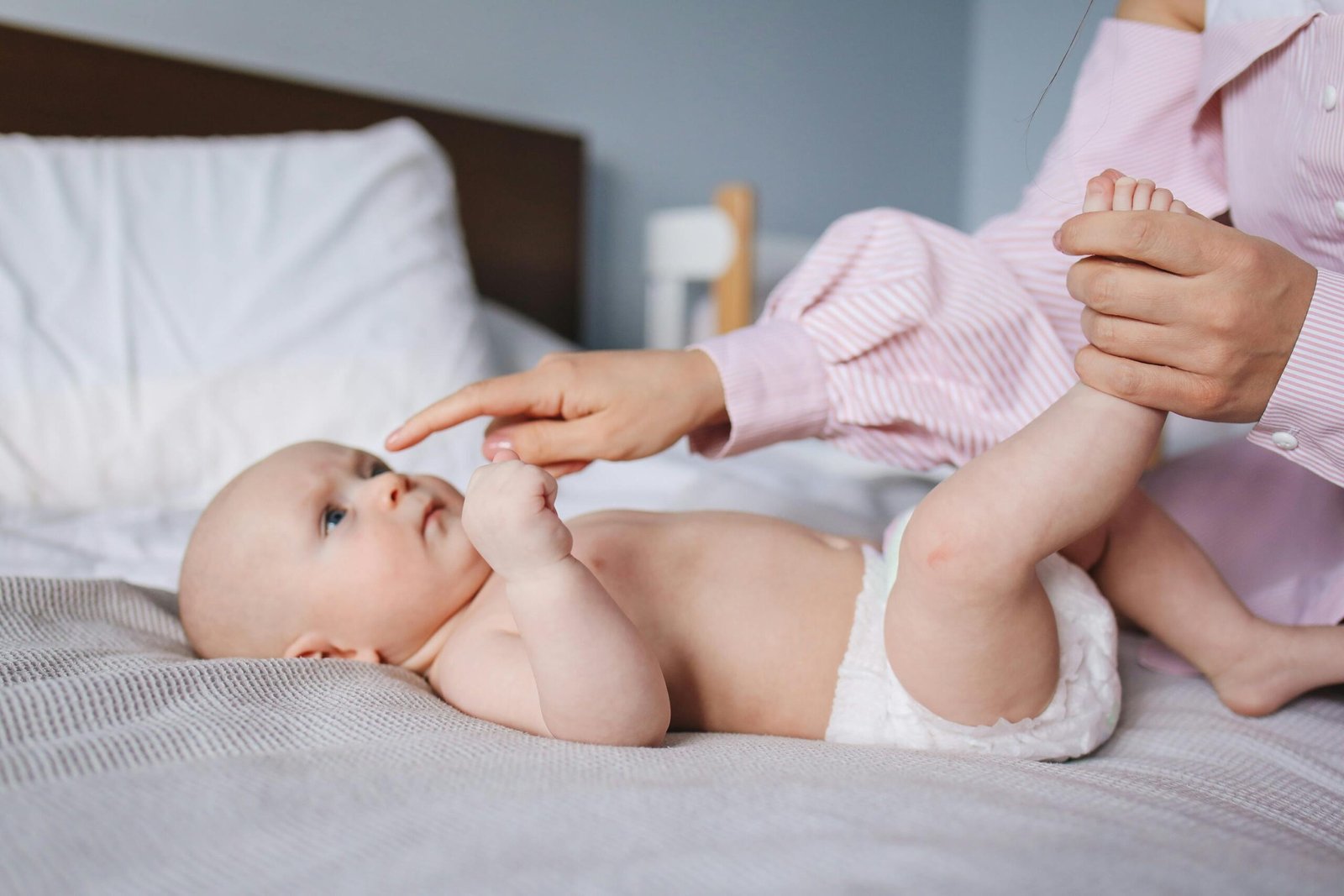
Choosing the right Newborn Diapers affects comfort, skin health and household costs. This guide examines diaper types, brand differences (Huggies and Pampers), sizing rules including newborn and size 1, and practical counts for daily and monthly needs. Read on for evidence-based advice, packing lists for hospital and real-world tips to reduce leaks, rashes and waste.
Why Newborn Diapers choice matters
Choosing the best newborn diapers is crucial for your newborn baby’s comfort, health, and sleep—and understanding what sets baby diapers apart can make all the difference. For newborns, whose skin is thinner and more sensitive, a poor fit and insufficient absorbency quickly lead to discomfort, leaks, and even diaper rash.
Absorbency is central: newborns typically have frequent, watery stools and pass urine often (expect 8-12 diapers a day). Diapers that lack reliable leak protection let wetness linger on delicate skin, disrupting sleep and increasing rash risk. Modern diapers like Huggies and Pampers offer multiple absorbent layers and leak guards, whereas lower-quality options or poor fits can result in frequent outfit and bedding changes, messes, and more crying.
A proper fit is equally important; newborns are small, and their legs and waists are often thin and variable in size. Elasticized leg and waist gussets hug the body, reducing blowouts and preventing messy leaks. A diaper that’s too big or too tight will chafe, dig into the skin, or allow stool to escape.
Material composition matters, too. Some newborn diapers include fragrances or lotions, which can irritate sensitive skin—especially those prone to eczema. Natural or plant-based diaper options, as well as hypoallergenic brands, avoid unnecessary additives, providing a gentler choice for fragile newborn skin.
Historically, cloth diapers were the only choice, requiring safety pins and rubber pants. The introduction of the disposable diaper in the mid-20th century (featuring innovations like absorbent gelling materials and, later, elasticized gussets) revolutionized ease of use and fit. Yet, many families still choose cloth, drawn by its gentle fabrics and eco-friendliness.
Newborn physiology makes these distinctions even more important: their immune systems are immature, their stools are unpredictable, and their weight can fluctuate quickly—making size and fit critical to avoid leaks and skin breakdown.
Must-have Newborn Diaper Features:
- Soft, hypoallergenic inner liner
- High absorbency core
- Double/elasticized leg gussets
- Stretchy waistband
- Wetness indicator line
- Gentle, secure fasteners
- No added fragrances or harsh lotions
- Proper size range for 5-10 lbs (newborn diapers weight)
Practical consequences of poor newborn diapers choice include: leaks, diaper rash, disrupted sleep, possible skin infections, and increased laundry. Three actionable tips:
- Check for red marks after each change—switch sizes or brands if present.
- Opt for fragrance-free options if your newborn develops a rash.
- Perform daily fit checks around legs and waist to avoid leaks.
Brand technologies and newborn diapers product lines
Brand histories and evolution
- Huggies diapers originated from Kimberly-Clark in the late 1970s, evolving from cloth-like materials to the distinct contoured disposables we know today. Early focus on comfort and easy use led Huggies to pioneer innovations such as pocketed waistbands and elasticized leg gussets, addressing newborn leakage concerns.
- Pampers, developed by Procter & Gamble in 1961, revolutionized baby diapers with absorbent paper, later introducing gelling polymers for dryness and extra-thin cores. Over decades, Pampers focused on improved fit and sensitive-skin technologies, launching key lines for hospital use and preemies.
Newborn diapers product lines and selling points
- Huggies Newborn Diapers:
- Huggies Little Snugglers: Soft, breathable outer cover and GentleAbsorb Liner for delicate newborn skin.
- Huggies Special Delivery: Plant-based materials for maximum skin sensitivity, dermatologist tested, free from parabens and fragrances.
- Huggies Skin Essentials: Enriched with aloe and vitamin E—for babies prone to redness or rashes.
- Umbilical cord cut-out for less irritation on the belly button stump.
- Pampers Newborn Diapers:
- Pampers Swaddlers/New Baby: Heart Quilts liner wicks moisture, dual leak-guard barriers, and wetness indicator.
- Pampers Pure Protection: Hypoallergenic and made without chlorine bleaching, for families seeking greener ingredients.
- Pampers Preemie: Sized for babies under 6 lbs with added softness and flexible fit for fragile skin.
Design and technology differences
- Pampers: Dry-Max gel technology/polymers for faster moisture absorption, adaptive fit, signature color-change wetness indicator on most lines, and uniquely soft top sheets.
- Huggies: Double grip strips, white-cotton-like outer covers, pocketed waistband to contain blowouts, refastenable Velcro-style tabs, and deep leg cuffs for leak control.
Pros and cons for sensitive skin & preemies
- Pampers Pure/Huggies Special Delivery both excel for sensitive newborns—minimal dyes and no fragrance, but Pampers is often praised for less bulk and faster drying, while Huggies fits chunkier thighs better.
- For preemies or very small babies, Pampers’ extended sizing and gentle lining reduce chafing; Huggies Little Snugglers Preemie shares similar attributes.
Disposable vs cloth diapers
- Disposables: best for overnight dryness, easy changes, superior odor control, and travel; ideal for frequent overnight wetting and babies prone to rash from staying wet.
- Cloth: provide natural fibers, reusable, can be more economical, but less convenient with frequent “newborn” changes; sometimes best for families avoiding all synthetics.
Huggies vs Pampers: Newborn Diapers Key Differences
- Huggies:
- Pocketed waistband
- Better at containing major blowouts
- Great for chunky/bigger-thighed babies
- Plant-based “Special Delivery” line for extra-sensitive skin
- Pampers:
- Softer, cushier feel overall
- Excellent for leaner or smaller babies
- Advanced dryness with Dry-Max
- Smart wetness indicator is standard
Recommendations by need
- Very sensitive skin: Start with Huggies Special Delivery or Pampers Pure Protection.
- Frequent overnight wetting: Pampers Swaddlers.
- Small birth weight/premature: Pampers Preemie or Huggies Little Snugglers Preemie.
- Budget-conscious: Standard Huggies Little Snugglers or Pampers Baby-Dry (size 1 when ready).
Sizing newborn and when to move to size 1
Newborn diaper sizing is closely tied to your baby’s birth weight and expected first-month growth. Newborn diapers weight guidelines generally cover infants up to about 10 pounds (4.5 kg), but actual fit varies by brand—Huggies and Pampers tend to differ by roughly 0.5–1 lb due to their cut and absorbency design. Preemie diapers cater to babies under 6 lb (2.7 kg), ideal for multiples or those born early. Size 1 newborn diapers are marketed for approximately 8 to 14 lb (3.6–6.4 kg), so there’s intentional overlap for when your baby’s weight sits at the crossroads.
If your full-term newborn arrives at the average weight of 7.5 lb (3.4 kg), you’ll likely start with newborn diapers and can expect to move to size 1 after 2 to 4 weeks, depending on their unique growth curve. Babies gain about 5–7 oz (140–200 g) per week in the early weeks—the switch to size 1 often happens by the time your baby reaches 10 lb (4.5 kg), but check individual packs since a ‘newborn’ in Huggies may fit up to 10 lb while Pampers stretches to 10–11 lb (4.5–5 kg). Practical examples:
- 6 lb = 2.7 kg (preemie/early newborn)
- 8 lb = 3.6 kg (newborn, possibly size 1 on some brands)
- 10 lb = 4.5 kg (tight end for newborn, comfortable start for size 1)
- 13 lb = 5.9 kg (solidly in size 1)
Signs to size up include:
- Red marks or indentations on baby’s thighs or tummy
- Frequent leaks or blowouts
- Waistband riding below the navel instead of over
If the diaper is snug but not tight and you’re not seeing leaks, you can stick with your best newborn diapers until the next growth spurt.
Try sample packs or small packs from Huggies and Pampers to compare before bulk buying. Don’t stockpile too many newborns since babies jump sizes quickly.
Checklist for newborn diaper sizing in the hospital:
- Check baby’s weight at birth and before leaving
- Note if umbilical stump fits comfortably in the cutout or under waistband
- Monitor for leaks or red marks in first couple of days
- Ask hospital nurses for their sizing opinion—they’ve seen thousands of babies!
What to pack for going home:
- 10–12 newborn diapers (varied brands if possible)
- Small travel wipes pack
- 1–2 size 1 diapers in case of a bigger baby
- Diaper cream for sensitive skin
This approach will help you confidently pick the right newborn diapers weight and smoothly transition to size 1 diapers when it’s time.
How Many Diapers Will Your Newborn Need?
- Daily changes: Newborns require frequent diaper changes due to rapid feedings and immature bladders. Expect to use 8–12 diapers per day in the first several weeks.
- Wet diaper monitoring: Hydration is vital in early life. Aim for at least 1–2 wet diapers in the first 24–48 hours, then by day 4–5, your baby should have 6–8+ wet diapers each day. Consistent wetness confirms adequate feeding and hydration—watch for pale yellow, mild-smelling urine.
- Daily diaper usage calculation:
- Estimate: 10 diapers/day is a practical midpoint for newborns.
- Weekly needs:
- 10 diapers/day x 7 days = 70 diapers per week per newborn.
- Monthly needs (first month):
- 10 diapers/day x 30 days = 300 diapers per month.
- Twin calculation example:
- Twins: 10 diapers/day x 2 = 20 diapers/day.
- 20 diapers/day x 30 days = 600 diapers in the first month for twins.
Sample bulleted copy-and-adapt diaper calculator:
- Number of babies: ______
- Average changes/day: ______ (suggest 8–12)
- Days to estimate for: ______ (suggest 7, 30, etc.)
- Total diapers needed = Number of babies x Changes/day x Days
- How many diapers for newborn: Buy 2–3 packs of newborn-size diapers (average 35 per pack) so you have ~100 on hand. Have 2–3 packs of size 1 ready as babies often outgrow newborn sizes within weeks.
- Purchasing plan tip: Don’t overbuy newborn sizes; babies may move up quickly based on rapid weight gain. Try a just-in-time restock approach, monitoring fit and wet diaper frequency week by week to reduce waste. This also lets you test which brands (Huggies, Pampers, etc.) best fit your baby’s needs.
Building a Practical Newborn Diapers Routine
When planning for those first newborn weeks, having the right essentials on hand can make diaper changes quicker and far less stressful. A gentle, baby-safe product like the Earth Mama Organic Economy Size Diaper Balm is especially helpful during the early days when skin is sensitive and frequent changes can lead to irritation. Many parents also rely on the Deluxe Baby Wipe Warmer to keep wipes comfortably warm, which can make diaper changes feel less jarring for your little one, especially during nighttime changes. Together, these small touches create a smoother, more comforting Newborn Diapers routine for both parent and baby.
Creating a Clean, Organized Space for Daily Changes
Newborn Diapers care becomes much easier when your setup keeps everything clean, accessible, and odor-controlled. A sturdy solution like the Ubbi Adult Diaper Pail, Steel Odor Locking helps maintain a fresher-smelling nursery, especially when you’re going through 8 to 12 diapers a day in the newborn stage. For families who need to stay organized and mobile, the HUGGIES Day Pack Diaper Backpack, offers a practical way to keep diapers, wipes, creams, and backup outfits ready whether you’re at home or heading out. With the right tools in place, managing diaper changes becomes more efficient, hygienic, and far easier to maintain throughout the newborn months.
Picking the best diapers for your baby
- Objective criteria for choosing the best diapers:
- Fit: Select newborn diapers that contour closely around baby thighs and waist without gaping. Huggies diapers typically have a snugger, pocketed waistband, while Pampers emphasize a softer, stretchier edge. Try a couple brands to see which shape matches your newborn best.
- Absorbency: Essential to keep delicate skin dry and avoid leaks. Pampers Swaddlers and Huggies Little Snugglers are two best newborn diapers praised for quick urine absorption. Seek multi-layer cores or technologies like “DryTouch” (Huggies) and “Absorb Away Liner” (Pampers).
- Breathability: Look for newborn diapers with soft, breathable outers and hypoallergenic liners to help airflow—important for rash prevention on sensitive skin.
- Materials: For very sensitive babies, fragrance- and lotion-free diapers like Pampers Pure or Huggies Special Delivery are best. Check for certifications (e.g., OEKO-TEX).
- Wetness indicator: Nearly all best diapers now include a line that changes color when wet, essential for newborns.
- Price per diaper: Divide package price by diaper count for a true comparison. Bulk buys reduce cost, but avoid stockpiling newborn size.
- Leak rate: Check parent reviews for feedback on size/brand and poop or pee blowouts. If you notice regular leaks, try adjusting size or switching brands.
- Environmental footprint: Consider eco-friendly options like Pampers Pure, Hello Bello, or Bambo Nature if environmental impact is a priority.
- Reading packaging and comparing size charts:
- Newborn size on Pampers: up to 10 lbs. Huggies: up to 10 lbs. Size 1 typically starts at 8 lbs (both brands) and up to 14 lbs.
- Check baby’s current weight (not just age) to pick the right size. If baby is close to the next size, trial a small pack of size 1 diapers.
- Reviews & recommendations for top categories:
- Best overall: Pampers Swaddlers, Huggies Little Snugglers
- Best for sensitive skin: Huggies Special Delivery, Pampers Pure
- Best budget: Parents Choice (Walmart), Luvs
- Best eco-friendly: Bambo Nature, Hello Bello, Pampers Pure
- Best for overnight: Pampers Swaddlers Overnight, Huggies OverNites (use if newborn needs extra absorbency at night)
- Testing diapers at home:
- Buy small packs of 2–3 brands.
- For 48 hours, log every change: fit, red marks, leaks, rashes, baby comfort.
- Note how diapers perform at night (leak rate, dryness in morning).
- Narrow your choice by comfort, performance, least leaks, and cost.
- Cost-per-diaper calculation & savings tips:
- Unit price = total price ÷ number of diapers (compare only with similar pack sizes).
- Sign up for Pampers & Huggies reward programs and subscribe & save discounts.
- Avoid huge newborn purchases—move up as baby’s weight increases.
Decision Checklist
- Does the diaper fit snugly with no gaps or red marks?
- Is the diaper absorbent and keeps skin dry?
- Does the wetness indicator work clearly?
- Are the materials gentle (especially if baby has sensitive skin)?
- Is the price per diaper reasonable for your budget?
- Does your brand offer a useful rewards or subscription program?
Practical care tips and troubleshooting
Proper diapering technique for newborns is key to reducing leaks and preventing skin irritation. When using newborn baby diapers such as Pampers diapers newborn or Huggies diapers, always ensure the tabs are symmetrical, snug but not tight, and the waistband sits just below the umbilical stump, gently fanned out at the legs. After cleaning, pat your baby dry—don’t rub—and wait a moment for skin to air dry before sealing the diaper. For newborns under 10 lbs (newborn diapers weight), fold the top of the diaper below the navel for air exposure and comfort.
- Overnight vs daytime changes: During the day, check diapers every 2 hours. At night, use extra-absorbent newborn Huggies diapers or Pampers diapers newborn, changing only if soiled or extremely wet to avoid waking baby unnecessarily.
- Diaper rash prevention: Frequent changes, breathable best newborn diapers, and applying a thin layer of fragrance-free barrier cream help. Allow brief periods of diaper-free time. For mild redness, let skin breathe and use zinc oxide creams. Persistent or worsening rash, bleeding, or blisters warrant pediatric advice.
- Disposal and eco-friendly options: Dispose of Pampers and Huggies diapers by sealing in odor-proof bags or bins. For a greener option, research hybrid or cloth diaper systems. Compostable wipes and fragrance-free products reduce waste.
- Hospital/outing packing list: Bring 10-12 newborn diapers for a 24-hour stay, 1-2 packs of sensitive wipes, barrier cream, disposable bags, and a waterproof changing pad.
- Travel/storage tips: Rotate stock (first in, first out) to prevent expired best diapers. Don’t overbuy a single size; baby weight can rapidly change. Store diapers in a cool, dry place.
Troubleshooting quick guide:
- Persistent leaks: Try next size up, check fit, avoid overfilling.
- Frequent rashes: Switch to best newborn diapers for sensitive skin, increase change frequency, consult pediatrician.
- Blowouts: Go up a size, check for gapping around legs, consider different brands.
- Sizing uncertainty: Refer to newborn diapers weight guides, test both newborn and size 1 diapers, look for red marks or leaks.
- Always change after every poop to prevent rash.
- Check wetness indicators on Pampers diapers newborn for quick swaps.
- Apply diaper cream only to clean, dry skin.
- Rotate diaper packs to use older stock first.
- Pack 2-3 more diapers than you estimate when out.
- Update size as soon as leaks or red marks appear.
Conclusions
Good diaper choices balance fit, absorbency and skin sensitivity. For most newborns expect frequent changes (roughly 8–12 per day early on and 6–8 wet diapers daily after the first few days), and select sizes based on weight rather than age. Compare Huggies and Pampers lines, consider cost and eco options, and follow simple hygiene and storage habits to keep baby comfortable and parents sane.