

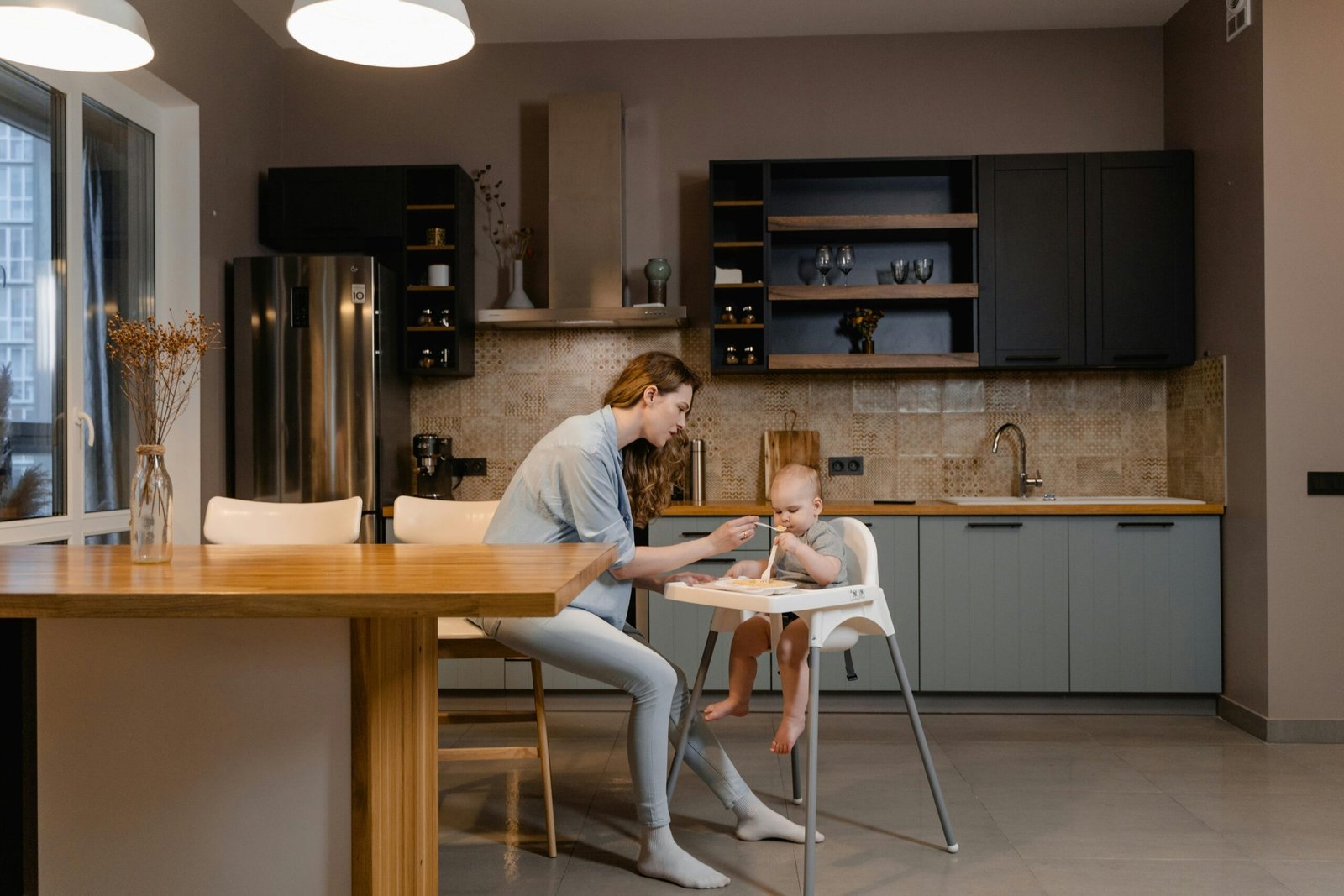
Choosing the right high chair affects safety comfort and mealtime learning for babies and toddlers. This article explores baby high chairs the advantages of high back designs and how to identify the best high chair for your family. We’ll cover types safety standards ergonomics buying criteria and care advice so you can make a confident long-lasting choice.
Why a high chair matters for feeding and development
Mealtimes are more than just a daily routine—they’re rich opportunities for mealtime learning that help shape your baby’s growth and development. Choosing a baby high chair isn’t just about convenience; it’s a crucial step in supporting safe, positive, and effective feeding experiences. When parents consider high chair safety, they’re enabling a child’s comfort and allowing them to fully engage with the social and sensory sides of eating.
A baby high chair serves several key practical purposes.
- Raised seating height: The elevated position lets adults feed their babies without bending or straining and brings the child up to the table for family meals.
- Safe, contained space: With a secure harness and a supportive seat, a high chair provides a stable environment that keeps your little one safely contained during eating.
- Integrated tray: Most high chairs feature a tray, giving babies their own surface for food exploration, early self-feeding, and even play—activities vital for fine motor development and curiosity.
Beyond practicality, high chairs nurture your baby’s development in vital ways. Sitting upright in a high chair supports oral motor skills—babies strengthen their jaw, tongue, and mouth muscles essential for eating and eventually speaking. Engaging at the table boosts social interaction, helping babies learn family mealtime cues and communication. A dedicated seating space encourages eye-hand coordination as babies practice grasping and bringing food to their mouths. Learning to self-feed with supervision in a safe position grows confidence and independence during a sensitive window for these skills.
High chairs also help create healthy routines and positive behaviors:
- Establishing regular mealtimes: Babies associate the high chair with mealtime, making it easier to form predictable routines.
- Encouraging family dining: Sharing the table from an early age models healthy eating and social habits.
- Safe containment: Knowing your child is secure allows you to focus on feeding and interaction, reducing stress and distractions.
When to introduce a high chair
- Sits with minimal or no support (usually between 5–7 months)
- Has steady head and neck control
- Shows interest in reaching for food or trying solids
These are typical guidelines rather than strict rules—each child develops at their own pace.
Understanding why a high chair matters sets the stage for exploring different types and key safety features. See the “Safety standards chapter” for what to look for, or continue reading in “Choosing the best high chair” for family-fit advice.
Types of high chairs and how high back designs help
- Traditional wooden high chairs: Sturdy, often timeless designs made of wood.
- Pros:
- Very stable
- Long-lasting and often adjustable
- Visually pleasing
- Cons:
- Bulkier, less portable
- Can be hard to clean (cracks, joints)
- Mid to high price range
- Pros:
- Modern molded plastic chairs: Lightweight, easy-to-clean high chairs primarily made from molded plastic.
- Pros:
- Simple to wipe down
- Lightweight for moving
- Often more affordable
- Cons:
- May feel less sturdy
- Simple models lack adjustment
- Pros:
- Convertible/transformable chairs: Designs that grow with the child, able to transition from infant seat to toddler chair to booster.
- Pros:
- Excellent longevity
- Adaptable features (tray removal, seat adjustment)
- Cost-effective over time
- Cons:
- Initial price is usually higher
- Larger footprint
- Can be bulkier for travel
- Pros:
- Booster seats: Seat risers placed on an adult chair; intended to raise the child for easier table access.
- Pros:
- Highly portable
- Space-saving
- Affordable
- Cons:
- Depends on adult chair’s safety
- Not ideal for infants with poor posture
- Minimal tray or containment
- Pros:
- Hook-on/clamp-on table chairs: Seats that attach directly to a table, leaving regular chairs unoccupied.
- Pros:
- Extremely portable
- Great for restaurants/travel
- Cons:
- Requires compatible, sturdy table
- Cleaning can be tricky
- Lower weight limits
- Pros:
- Travel/foldable high chairs: High chairs with lightweight, compact designs for portability and frequent moving.
- Pros:
- Folds flat, easy to store
- Ideal for indoor/outdoor use
- Cons:
- May offer less support
- Lower durability
- Pros:
- What makes a high back chair different?
- Backrest is significantly higher, sometimes with integrated neck/head support
- May feature adjustable recline or a taller, contoured shell
- Offers enhanced upper body and postural support
- Why high back matters during baby and toddlerhood:
- Newborn to 6 months: High back with recline and padded inserts cradles infants lacking full trunk/head control
- 6–12 months: Supports balance as baby learns to sit and begin solids—prevents slumping and encourages upright feeding position
- 1–3 years: Toddlers gain independence but tire easily; a higher backrest assists posture and comfort during longer meals
- Signs your child may need a higher-back model:
- Poor or limited head control
- Frequent leaning or slumping forward
- Quickly tires in low or backless chairs
Choosing the best high chair structure and height for your family is crucial to support healthy feeding development. In the next chapter, we’ll look closely at essential safety features and standards every parent should check, building a confident foundation for your decision.
Safety standards and essential safety features
Safety is the top priority for every parent choosing the best high chair for their child, since misuse or design flaws can lead to serious accidents like falls, tipping, or choking. High chairs elevate babies to table height, but without proper safety features, a moment’s inattention can result in injury. Picking a model that goes beyond convenience—and checking that it meets stringent safety criteria—will give you peace of mind and practical protection.
International and local safety standards are the cornerstone of a safe high chair. Look for labels or documentation confirming compliance with the European standard EN 14988, which specifically covers the safety of high chairs. In other regions, national or local regulations may apply; always check the product details to verify that your chair is certified. Stay vigilant for recall notices or safety bulletins—even trusted brands occasionally face issues. Register your chair with the manufacturer so you’ll be notified of any future recalls or dangers.
- Harness type: Ensure the chair has a secure harness system. A 5-point harness secures the shoulders and hips, preventing both sliding and standing, while a 3-point harness only restrains at the waist and crotch. The 5-point is highly recommended for active or younger babies.
- Stable base: The best high chair has a broad, wide-set base, which resists tipping if the child leans or pushes. Avoid models that feel top-heavy or easily wobble.
- Tray locking mechanisms: Check that trays are firmly attached, with child-resistant latches that a baby cannot open, reducing the risk of falls or pinched fingers.
- Material safety: Look for BPA-free plastics, non-toxic finishes, and smooth, easy-to-clean surfaces that prevent food buildup and bacterial growth.
- Locking hinges and brakes: If the high chair folds or has wheels, ensure all hinges lock securely and brakes hold the chair in place.
Practical safety checklist for parents:
- Inspect harness and straps for strength, adjustment, and secure buckling
- Check all tray locks and latches for secure fit—Test with firm pressure
- Scan for sharp edges, loose parts, or points that could pinch
- Confirm there are no small detachable components a child might swallow
- For folding models, lock and unlock the frame—ensure it clicks and holds under force
Booster seats and car-seat safety: Remember that booster seats are intended for use atop sturdy adult chairs or as part of car seat systems, depending on the product. Read the manufacturer’s instructions carefully and never use a booster in a way it is not designed for—misuse can negate safety features entirely.
Finally, always register your high chair for immediate recall notifications and consult your local consumer safety authority or website for current regulations and alerts. Extra diligence at the outset ensures that meal times stay safe and stress-free.
Ergonomics comfort and why high back matters for posture
The physiology of sitting for infants and toddlers is fundamentally different from adults, making ergonomic design essential in a baby high chair. At this stage, core muscles are still developing, and stable trunk support is crucial for upright posture—an absolute must for safe eating and healthy digestion. When well supported, a child can focus on learning to self-feed rather than struggling to stay upright. Additionally, proper foot support allows a child’s knees to bend at approximately 90 degrees, giving leverage to their trunk and preventing slumping, which can interfere with swallowing and cause fatigue or discomfort.
Several design features can greatly improve both comfort and posture. Adjustable seat height ensures your baby sits at an appropriate level relative to the table or tray, preventing shoulder hunching or reaching. Adjustable footrests are particularly important—their position should be tailored to keep your child’s feet firmly planted, aiding balance and supporting core stability.
The contoured seat shapes cradle your baby, preventing side-to-side sliding, while padded cushions and breathable materials keep them comfortable, especially for longer meals. For younger infants, recline positions can help when initial head and neck control is limited, transitioning to upright as muscle tone improves. Above all, a tall, supportive high back chair is key for optimal head and neck alignment—a critical component as these are the last areas infants learn to stabilize.
A tall high back chair offers:
- Head stabilization vital for early feeding, especially with new eaters
- Support during longer meals—helps reduce restlessness and fatigue
- Reduced slumping, which promotes safer swallowing and proper breathing posture
To ensure the best fit, check that the seat depth lets your child’s knees bend at the seat edge with their back resting against the backrest; there should be a gap about the width of two fingers between the back of their knees and the edge of the seat. The distance to the tray should comfortably allow arms to move without overreaching; if the tray presses into the chest or is too far, reposition or adjust seat height. The ideal foot-to-footrest position offers a flat, stable platform—not dangling feet or knees above the hip line.
Signs a seat is too deep include slouching, sliding, or legs not reaching the footrest; too high and their feet lift off, reducing stability. As your child grows and develops reliable postural control, monitor for signs of readiness to transition out of the high chair—stable sitting, consistent lower-body movement, and independent mealtimes.
Materials and padding care also play a role in ergonomics and ongoing comfort. Seek out removable, washable covers and wipeable surfaces for easy cleaning and sustained hygiene. Non-absorbent padding prevents trapped moisture and related irritation. Families with sensitivities should look for allergy-friendly finishes and avoid harsh chemical treatments wherever possible.
Thoughtful ergonomic features in a high back chair enhance daily comfort and build good posture habits, delivering lasting value for families. These considerations set the foundation for selecting the best high chair—as will be discussed in detail in the upcoming buying guide chapter.
How to choose the best high chair for your family
Choosing the best high chair for your family is an exercise in balancing safety, comfort, budget, available space, and how long you plan to use the product. With so many models and features, prioritizing your unique needs will help narrow down the options so you can select a baby high chair that delivers both peace of mind and daily convenience as your child grows.
- Child age, weight, and developmental stage — Make sure the chosen high chair meets the minimum age and weight ratings. Consider if your child needs extra head and trunk support now and whether you want a model that will still be suitable as they enter toddlerhood.
- Space and storage — For small spaces, a compact folding high chair or chair-top booster may be ideal. If you have a dedicated feeding area, a larger, stationary high back chair may offer more comfort and support.
- Cleaning and hygiene — Look for wipeable surfaces, trays that are removable and dishwasher safe, and machine-washable seat pads. A baby high chair that easily comes apart for cleaning will save time and avoid frustration.
- Adjustability and longevity — Prioritize models with adjustable heights, reclining backs for infants, footrests, and convertible options that turn into booster or youth chairs for long-term use.
- Portability and travel needs — Lightweight frames, handles, and folding capability are critical if you’ll move the chair between rooms or travel often with your child.
- Budget and value over time — A higher initial price may be worthwhile if the high chair grows with your child, versus replacing with each stage. Balance upfront cost with durability and versatility.
- Material preferences — Choose between sturdy wood, lightweight plastic, or metal. Some families also value eco-friendly finishes or hypoallergenic materials.
Decision Quick-Guide for Selecting the Best High Chair:
- Measure your available space for the chair.
- List your must-have features and preferences.
- Set a clear budget range.
- Shortlist 3–4 baby high chair models that fit your criteria.
- Check for relevant safety standards, certifications, and recent independent test reviews.
- If possible, visit a store to test adjustability, stability, and cleaning features in person.
- Register your purchase for warranty and recall alerts right after buying.
To maximize safety and satisfaction, research carefully. Check independent consumer reports, verified customer reviews, and product recall databases. When in store or reading reviews, consider:
- “How easy is cleaning and reassembly?”
- “Does the tray lock smoothly and securely?”
- “How stable is the base when your child moves or leans?”
- “Can the chair grow/adapt as my child’s size and needs change?”
Recommendations by Family Profile:
- Small apartment buyer: Look for a slim, foldable high back chair with a compact footprint and trays that store on board. Prioritize easy storage and quick setup.
- Frequent traveler: Choose a lightweight, portable baby high chair or booster seat with secure straps, easy-clean materials, and a fast fold-down for stowing in the car or suitcase.
- Family seeking long-term use: Invest in a fully adjustable high chair that converts from infant recliner to toddler seat and youth chair, with footrest and height settings for each stage.
- Budget-conscious buyer: Focus on a simple, safe design with wipe-clean surfaces; look for mid-range prices from reputable brands that meet minimum safety certification.
By focusing on these criteria, you’ll be well on your way to finding the best high chair for your family’s lifestyle—maximizing safety, comfort, and value with every meal.
Buying tips top categories to consider and care maintenance
When searching for the best high chair or high back chair, shoppers commonly zero in on a few key categories: best overall for balanced features and comfort, best budget for those needing value, best travel for families on the go, best convertible to span multiple stages, and best high back/supportive for little ones needing posture support. Winning models in each category excel in ergonomic design, reliable safety, easy cleaning, and adaptability to daily life with a baby.
- Best Overall:
- Wide, sturdy base for stability
- Adjustable recline and footrest
- Removable, easy-to-clean tray
- Padded, supportive high back chair design
- 5-point harness system
- Best Budget:
- Affordable without compromising safety
- Simple assembly and lightweight
- Basic, wipe-clean materials
- Compact for small spaces
- Best Travel:
- Compact fold for portability
- Lightweight and sturdy
- Secure locking mechanism
- Removable tray or easy attach-to-table option
- Best Convertible:
- Converts from baby high chair to booster and kid’s chair
- Sturdy frame with tool-free adjustments
- Removable parts for extended use
- Longevity for growing kids
- Best High Back/Supportive:
- Ergonomic, extra-padded high back
- Effective for younger infants or those with less core strength
- Deep sides for supportive seating
- Head and neck support
Care & Maintenance Checklist
- Wipe seat, tray, and frame after each meal with a damp cloth
- Remove and deep clean (wash pads/tray) weekly
- Inspect and replace harness/straps as they show fraying or looseness
- Check all joints, hinges, and locking points monthly for wear
- Apply a food-safe lubricant to folding hinges if sticking occurs
- Store away from direct sunlight and moisture when not in use
- Keep small detachable parts (tray inserts, toys) in a safe, high location
High Chair Home Testing Steps
- Test tray locking mechanism in all available positions
- Secure child in harness and gently test harness strength
- Rock chair side-to-side and front-to-back to check for wobble
- Open and fold the chair several times to verify lock engagement
- Visually inspect for sharp edges or pinching hazards
SEO Toolkit
- Meta title: Best High Chair Guide | Safe & Supportive High Back Baby Chairs
- Meta description: Discover the best high chair with safe, ergonomic, high back support. Expert tips on cleaning, comfort, and choosing the perfect baby high chair.
- Long-tail keyword phrases:
- best high chair for small spaces
- how to clean a baby high chair
- best high back high chair for infants
- foldable baby high chair options
- convertible high chair reviews
- travel high chair for babies
- high chair buying guide 2024
- safe and supportive baby high chair
- FAQ:
- When can my baby use a high chair? Most babies are ready for a high chair around 6 months, once they can sit up independently.
- How do I clean a baby high chair? Wipe daily, wash removable parts weekly, and check for food hidden in seams and straps.
- What safety features should a high chair have? Look for a 5-point harness, stable base, locking tray, and non-skid feet.
- Can I use a high chair for travel? Choose a compact, lightweight model designed for portability and secure folds.
- Are high back chairs better for infants? High back chairs provide extra support for babies who are still developing sitting strength.
- How often should I replace high chair straps? Replace straps immediately if frayed or if buckles no longer clasp securely.
Every caregiver should register their baby high chair for recall alerts immediately, and always test the seat at home with your child safely under supervision before first use to ensure true fit, comfort, and peace of mind.
Conclusions
Selecting the best high chair balances safety comfort and usability. Prioritize certified safety features a supportive high back for posture easy cleaning and an adjustable fit that grows with your child. Consider space budget and daily routines, test stability and harnesses, and check reviews and recall history. With these criteria you can pick a high chair that makes mealtimes safer and more enjoyable for everyone.