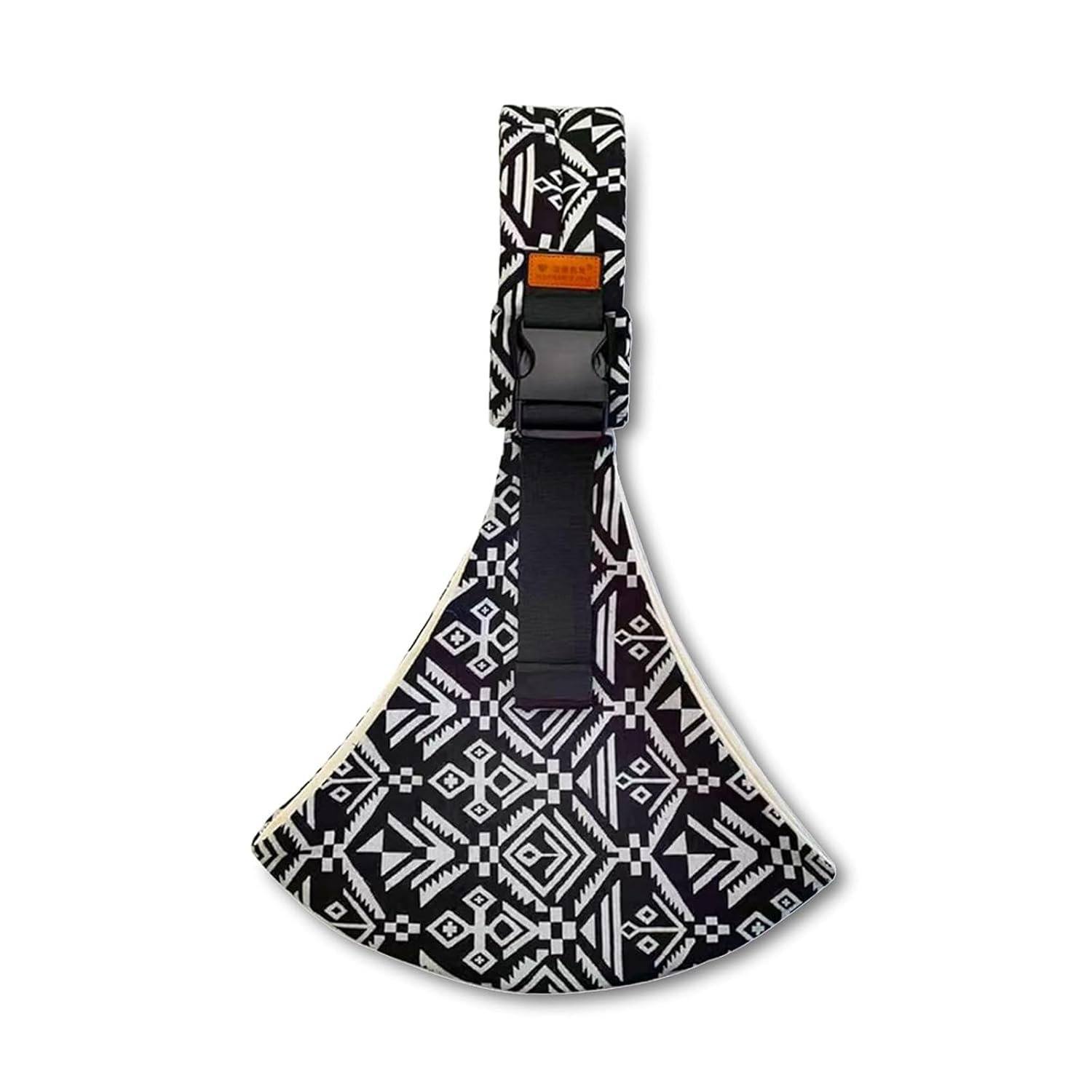
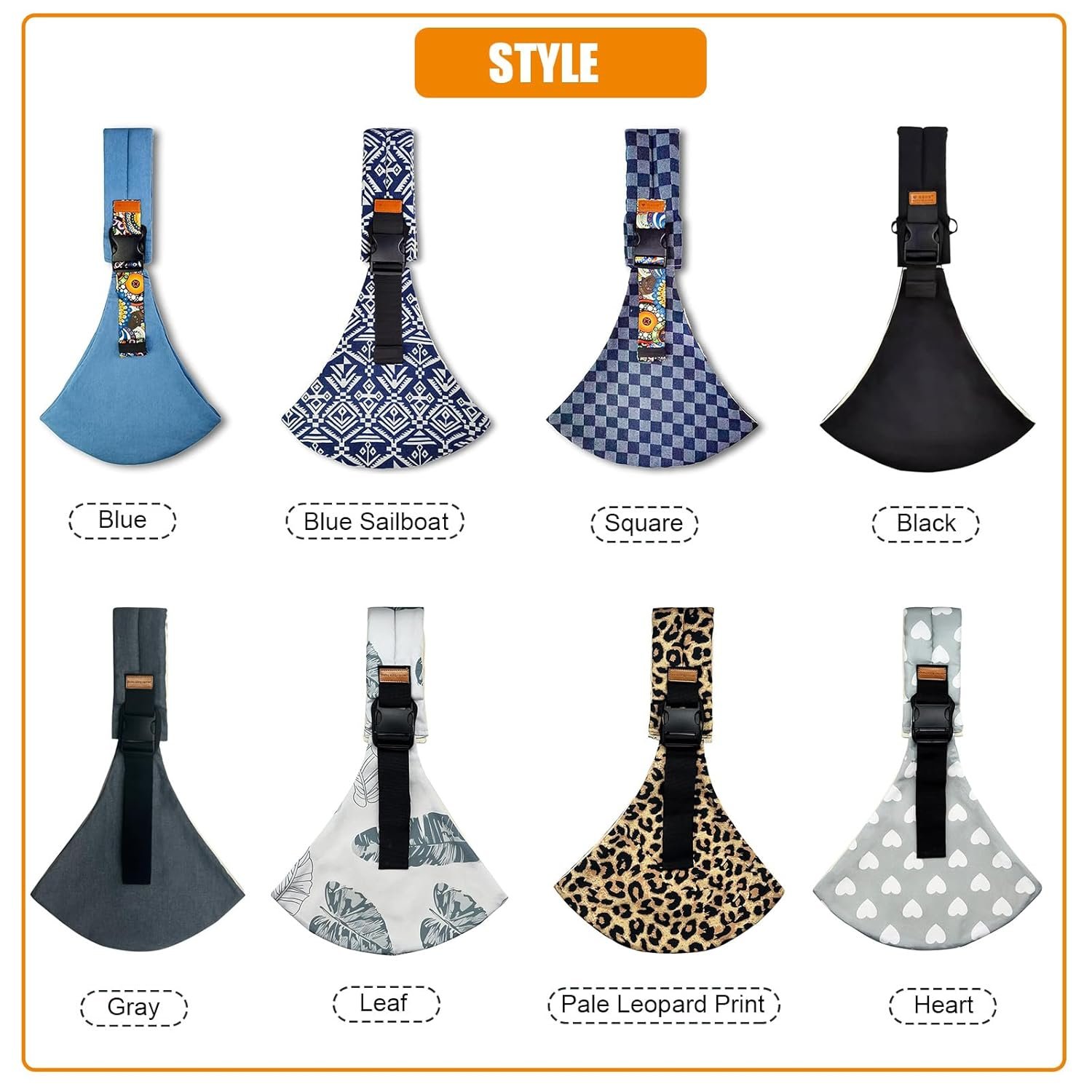
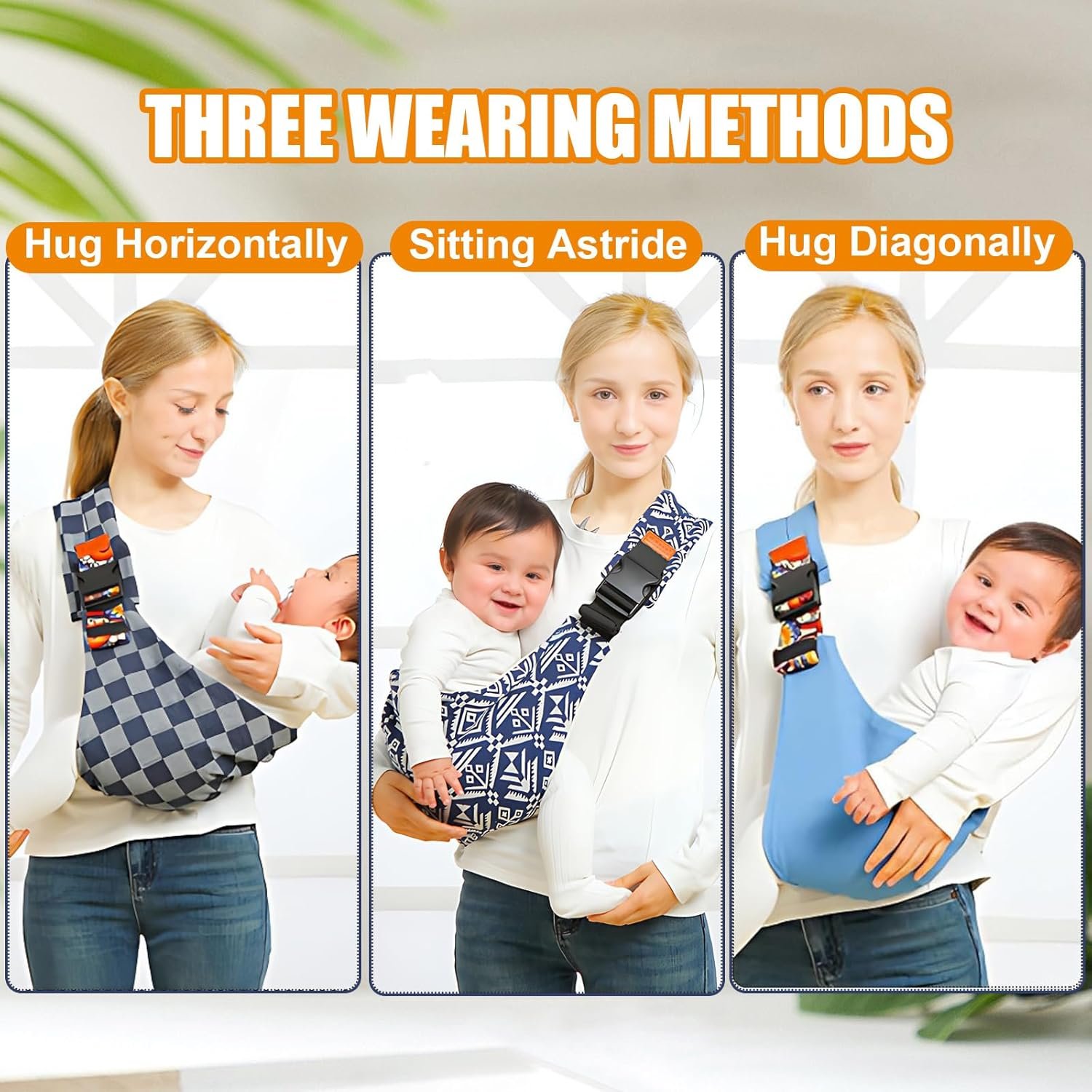

This adjustable one-shoulder baby sling offers fast, hands-free carrying with a labor-saving hip-seat to reduce shoulder strain. Listed for 10–30 lb and widely shown as cotton on regional Amazon pages, it’s lightweight, packable, and ideal for bonding, quick errands, or calming fussy moments. If you see a star rating on your local Amazon page, share it and I’ll align your WordPress scores to match for a perfectly consistent review.
Choosing the right baby sling carrier can feel overwhelming for new parents. There are structured carriers, wraps, buckle systems, ring slings, and dozens of hybrids in between. When you’re sleep-deprived and juggling feedings, laundry, and unpredictable nap windows, you don’t want something complicated—you want something that simply works.
That’s a big part of why this adjustable one-shoulder baby sling carrier has gained attention. It keeps things straightforward. No long straps, no difficult wrapping techniques, no bulky frame. Just a secure sling, a comfortable seating area for the baby, and a design that feels intuitive even if you’ve never used a carrier before.
Parents often describe this style as the perfect in-between solution: more supportive than a wrap but lighter and faster to put on than a structured buckle carrier. It’s something you grab when your baby needs soothing, when you’re heading out for a quick errand, or when you just need both hands free for a moment.
Why Simplicity Matters for Busy Parents
Many parents underestimate how often they’ll need a hands-free option during the newborn months. Babies crave closeness. Being held is their safest and most familiar state, especially during fussier hours, growth spurts, or tricky teething days.
A baby sling carrier solves this by creating secure, comfortable closeness without requiring parents to stay seated or hold the baby in their arms. This freedom makes a huge difference in everyday routines. Parents can prepare a bottle, drink water, fold laundry, walk to the car, soothe the baby at the store, or simply calm a cranky infant—all while keeping the baby snug and supported.
This particular baby sling carrier adds to that simplicity with an ergonomic one-shoulder design that doesn’t require multiple steps or confusing adjustments. It’s ideal for parents who feel intimidated by complicated wraps and for families who want something lightweight and intuitive.
Effortless Babywearing for Busy Days
This adjustable one-shoulder sling gives you fast, hands-free comfort for errands, walks, and soothing fussy moments. It pairs naturally with simple on-the-go essentials like the Skip Hop Pronto Portable Changing Pad, giving you a clean and convenient setup wherever the day takes you. For more structured days, many parents rotate between this sling and the Lalabu The Dad Shirt – Long Sleeve, keeping comfort and bonding at the center of their routine.
The Feel and Construction of the Sling
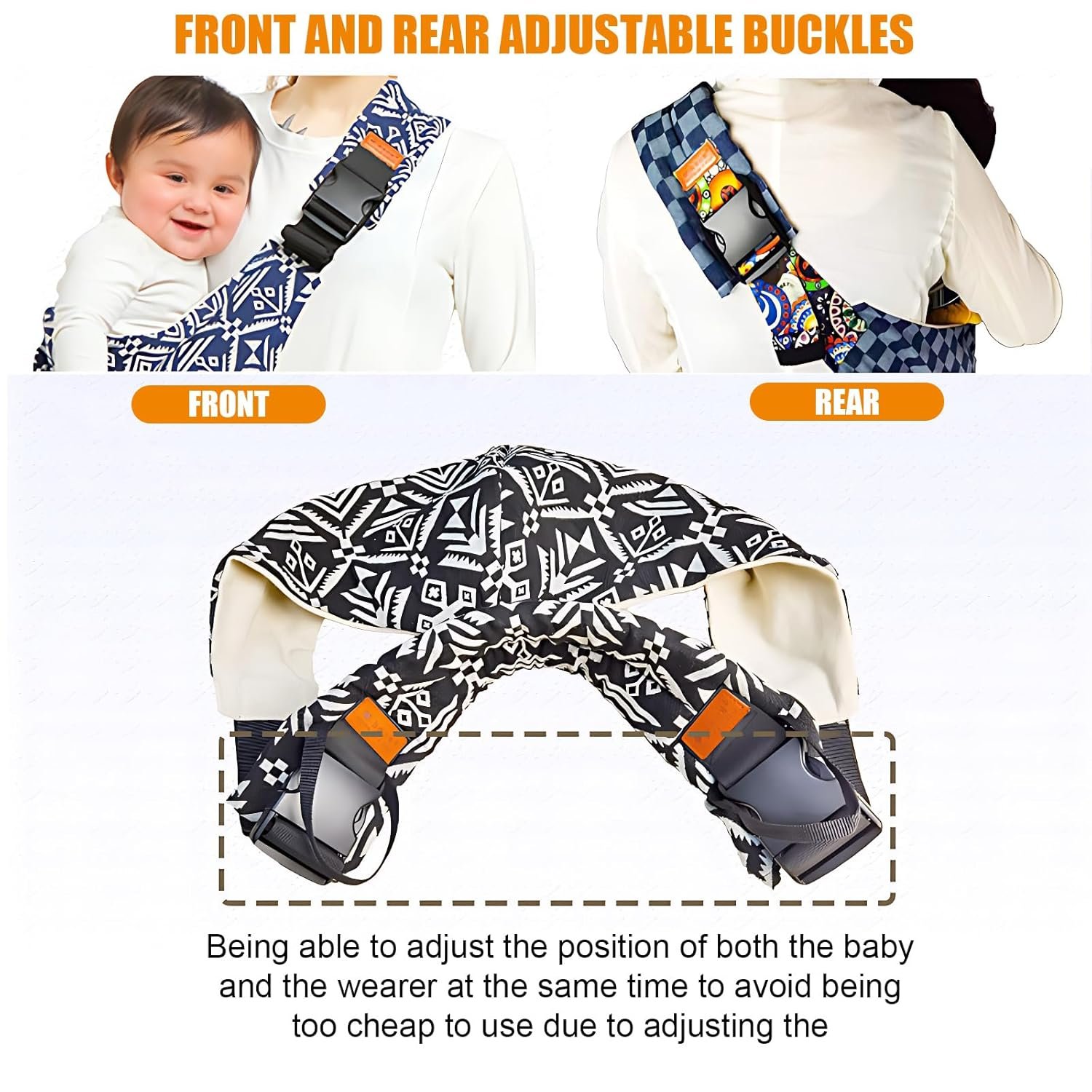
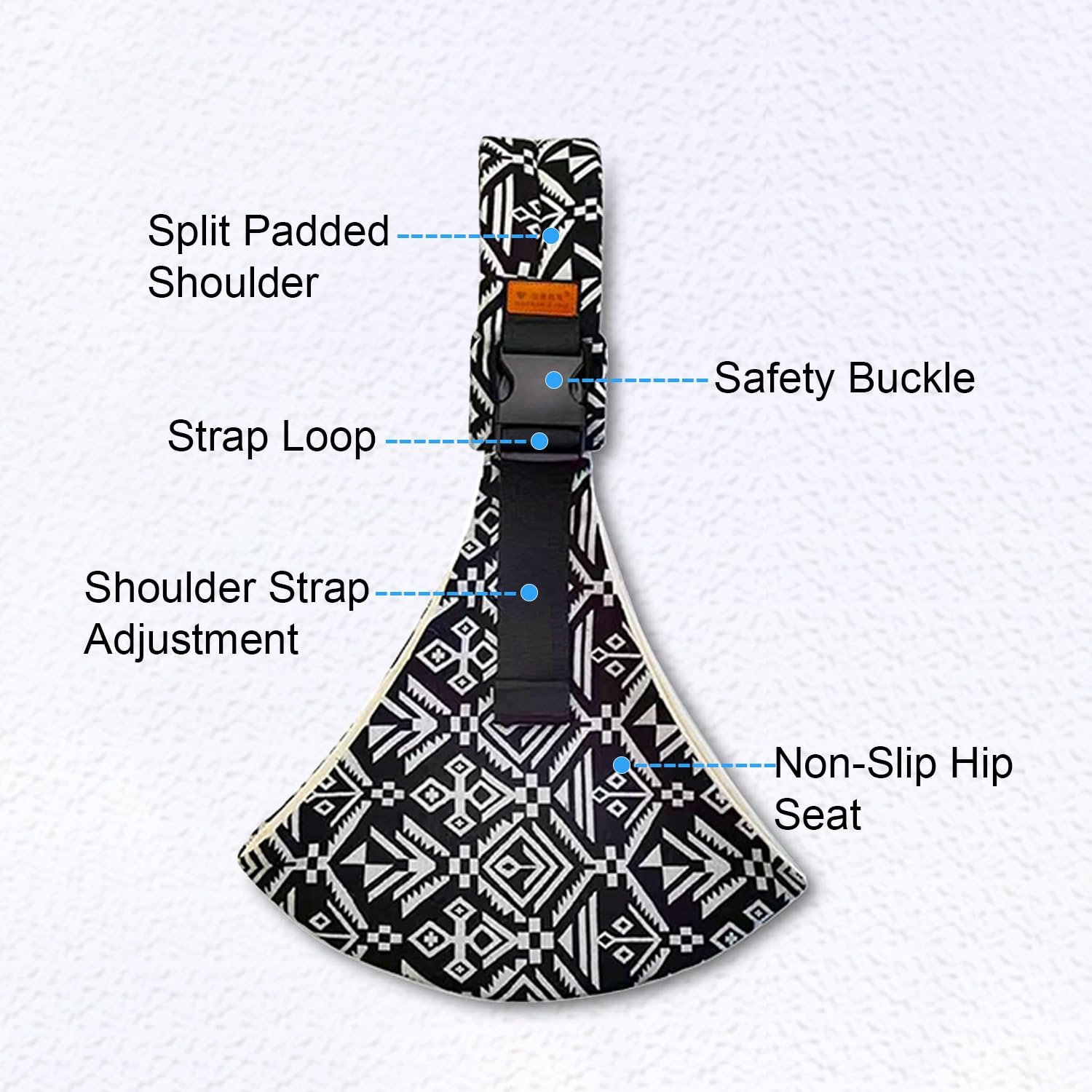
The construction is straightforward: a single-shoulder strap, an adjustable buckle system, and a built-in hip-seat-style pad that helps distribute the baby’s weight. This hip support element is what differentiates it from traditional cloth slings.
A classic sling relies on fabric draping to create support, but this one includes a structured seat area that positions the baby more securely. That means less pressure on the parent’s shoulder and more comfort during longer carrying periods. The cotton fabric (in the regional listings that include specified materials) adds breathability, softness, and comfort against the baby’s skin.
Parents describe the fabric as flexible yet structured enough to prevent sagging—an ideal balance for a baby sling carrier. The lightweight feel makes it easy to wear in warm climates or indoors without overheating.
The Weight Range and Practical Limits
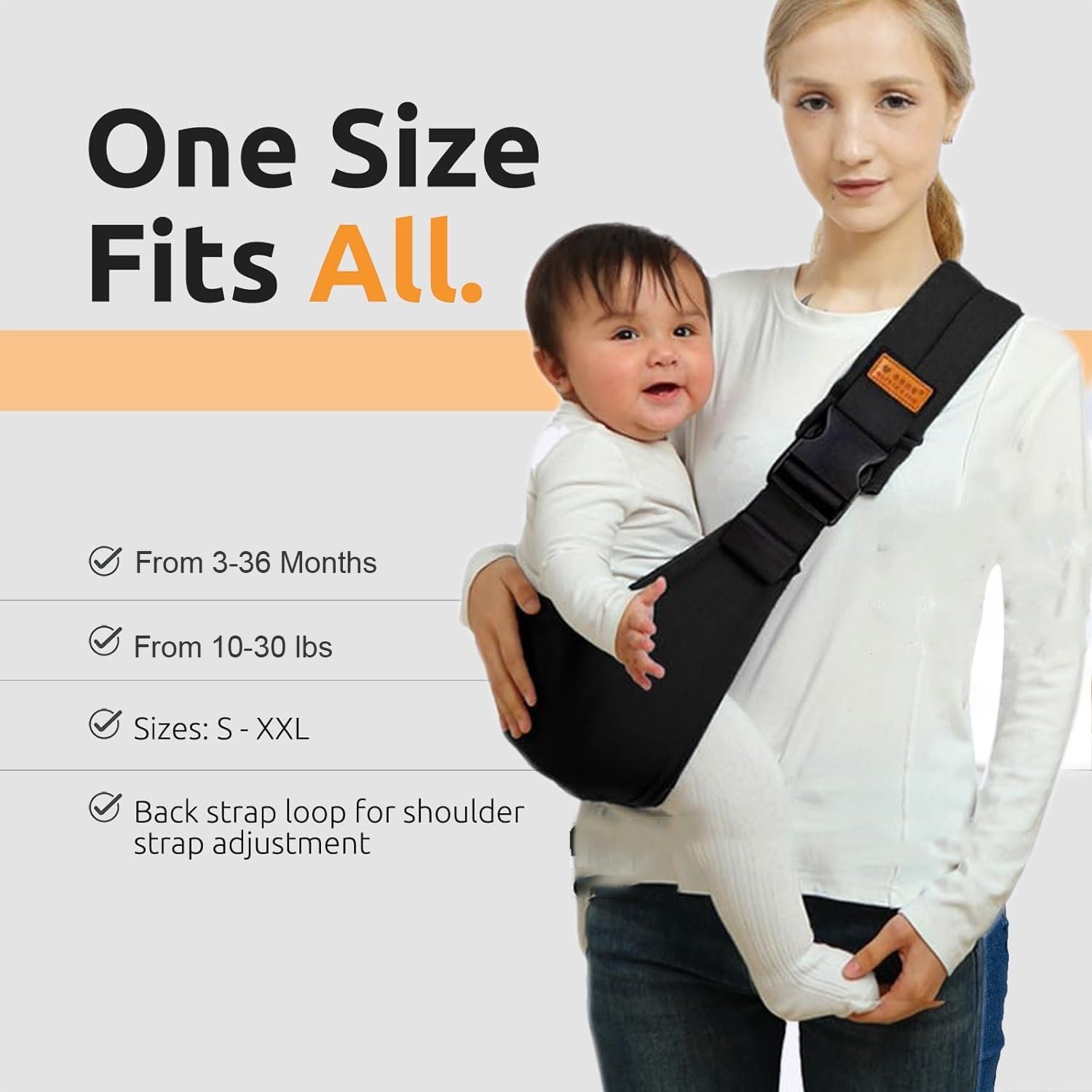
The advertised capacity of 10–30 lb (approximately 4.5–13.6 kg) covers the range from early newborn months through much of toddlerhood. In practice, this means the sling is most useful from the newborn curl-up phase through the early walking months when babies still crave closeness.
Parents often use structured carriers for long outings or all-day wear, but a baby sling carrier like this shines in short-to-medium passes: school drop-off, store visits, house chores, calming routines, and transitions around the home.
Its lightweight design makes it feel more casual and approachable. The baby gets the closeness they want, and the parent gets the freedom they need, without feeling like they’re strapping on a hiking backpack.
A Practical Setup for Everyday Movement
Because the baby sling carrier is lightweight, packable, and supportive from 10 to 30 lb, it blends perfectly into a flexible baby-carrying system that includes the Comfy Cubs Baby Wrap Carrier for longer outings or naps. To make quick trips smoother, a helpful accessory like the Munchkin Brica Stroller Organizer gives you easy access to wipes, bottles, keys, and snacks — ideal when your hands are busy holding your baby close.
The Ergonomic Advantage of Hip-Seat Support
One of the standout features of this baby sling carrier is the hip-seat-style support built into the design. Traditional slings curve along the parent’s body, which works well for lighter babies but becomes challenging as weight increases.
The hip seat redistributes pressure away from the shoulder. Instead of the baby sinking or pulling downward into the sling, the structured seat gently supports the baby’s bottom, helping maintain proper hip, spine, and leg positioning.
Parents who struggle with shoulder discomfort or one-sided tension often prefer this design because it feels more balanced. While the weight still sits predominantly on one shoulder, the load is softened and more evenly distributed.
Fast, Fuss-Free Adjustments
One of the biggest advantages of this baby sling carrier is the minimal learning curve. New parents don’t always want to tie knots or thread rings. They want a solution they can use immediately, especially when the baby is fussy.
The adjustable strap allows quick tightening or loosening depending on the baby’s size or preferred position. Parents mention that the ability to make micro-adjustments while wearing the sling adds to the comfort.
If the baby falls asleep, the parent can gently shift the sling without waking them. If the baby wants to lean, snuggle deeper, or reposition, the parent can adapt in seconds.
Portability and Life on the Go
A standout benefit of this baby sling carrier is its portability. Traditional carriers can be bulky. Some take up half a diaper bag, and wraps can stretch into long lengths of fabric that need folding.
This sling, however, compresses into a small, easy-to-pack shape. Parents say they feel comfortable keeping it in the stroller basket, glove compartment, diaper bag, or even a jacket pocket.
This makes it especially useful for “just in case” situations. Babies often want to be held unexpectedly—when they’re overstimulated, when the grocery store is busy, or when they suddenly become tired out of the blue. Having a sling available solves that quickly.
Supporting the Fourth Trimester
During the newborn months, babies want what feels familiar: warmth, heartbeat, rocking motion, smell, and security. A baby sling carrier supports these needs beautifully.
The one-shoulder design naturally tucks babies close to the chest, letting them hear the parent’s heartbeat and feel the rise and fall of breathing. This closeness helps regulate newborns’ nervous systems, reduces crying, and promotes calm.
Many parents say this sling became a lifesaver during witching-hour fussiness or cluster feeding evenings. It allows the baby to relax against the parent’s chest while the parent retains mobility.
Daily Tasks Become Easier
A good baby sling carrier changes everyday life. Laundry isn’t as hard. Making lunch becomes manageable. You can answer the door without rushing.
Parents frequently describe how they used this sling to:
Calm a fussy baby during nap transitions
Prepare dinner while keeping the baby close
Carry the baby to sleep without straining arms
Walk around the house during teething or tummy pain
Do school pickup while carrying a newborn
Because it’s fast to put on, parents use it more often. That routine use becomes part of family life, helping babies feel secure and giving parents the flexibility they need.
How It Feels for Babies
Babies generally love sling carriers. The snugness feels familiar, the warmth feels comforting, and the slight sway of the parent’s body becomes soothing.
Unlike structured carriers that hold babies more rigidly, a baby sling carrier allows gentle, natural movement. Babies lean in, curl up, stretch out, and adjust their heads comfortably.
The hip-seat support helps keep the baby angled safely rather than collapsing downward—a problem with pure-fabric slings when not used correctly.
How It Feels for Parents
Parents say the sling feels like an extension of their arm—secure but not overwhelming.
The weight distribution is lighter than expected because the hip-seat base carries part of the load. The shoulder strap is padded enough to remain comfortable without adding unnecessary bulk.
Parents who have tried multiple types of carriers often say they reach for this baby sling carrier the most because it feels effortless.
The Sling During Growth Spurts
Growth spurts can be intense: babies cry more, need more holding, and struggle to settle.
A hands-free carrier is invaluable during these phases. The baby sling carrier provides comfort through closeness while freeing the parent to move, hydrate, prepare meals, or simply breathe.
Parents often say that during high-need weeks (like teething), the sling becomes their most-used baby product.
Perfect for Short Errands
Sometimes you don’t want to bring the stroller. Sometimes a structured carrier feels too bulky. Sometimes you want to pop into a store quickly without disrupting the baby.
That’s where this sling shines.
Its lightweight build, quick setup, and compact form make it the perfect “grab and go” solution. Parents often keep it by the door or in the car for this exact reason.
Real Parent Testimonials
Parents emphasize the sling’s convenience more than anything. Many say they didn’t expect to use it as much as they did.
One mother mentioned using it every morning while preparing breakfast for her toddler. Another parent described how it kept her newborn calm during noisy family gatherings.
A dad explained how much he appreciated the hip-seat support, saying it allowed him to carry his baby longer without shoulder pain.
Parents agree that the sling feels simple, safe, and surprisingly effective.
Washing and Maintenance
The cotton construction helps it stay breathable and easy to clean. Most parents simply hand wash or spot clean, and the fabric dries quickly.
Because toddlers can drool, snack, and occasionally spit up during carrying, easy cleaning is important. This sling handles it well.
When to Choose a Hiking Carrier Instead
While this baby sling carrier is perfect for everyday routines, quick errands, and soothing contact, it’s not designed for long-distance walking or outdoor adventures. Parents who enjoy hiking, long trail walks, or spending extended time outdoors typically switch to a dedicated hiking carrier once their baby has strong head and trunk control. Hiking carriers offer structured back support, padded straps across both shoulders, and a weight-distribution system built for endurance. They also provide added ventilation, storage pockets, sunshades, and a more secure seated position for heavier toddlers. If your family enjoys weekend trails or plans longer excursions, investing in a proper hiking carrier ensures both you and your baby stay comfortable over several hours.
Limitations to Understand
No single carrier is perfect for every situation.
This baby sling carrier works best for:
Short to medium periods of wearing
Warm climates or indoor use
Calm, soothing routines
Quick errands
Parents who prefer simplicity
It is not intended for:
Long hikes
All-day wear
Parents with significant shoulder injuries
Very heavy toddlers
Understanding the intended use helps parents get the most out of it.
Thoughts
This adjustable one-shoulder baby sling carrier offers a thoughtful blend of simplicity, comfort, and practicality. It’s lightweight, supportive, and incredibly easy to use—exactly what stressed, tired, multitasking new parents need.
The hip-seat-style support enhances comfort, the compact design fits busy lifestyles, and the soft construction keeps babies comfortable from newborn to toddler months.
For parents who want a budget-friendly, beginner-friendly, travel-friendly carrier that still delivers secure closeness and ergonomic support, this baby sling carrier is an excellent choice.
How the Baby Sling Carrier Supports Bonding
One of the most meaningful benefits of using a baby sling carrier is how naturally it strengthens bonding. Babies thrive on contact. They want your warmth, your heartbeat, your voice, your smell. When they’re held close, their breathing stabilizes, their stress hormones drop, and their emotional regulation improves.
This sling makes that contact possible even on your busiest days. Parents often describe how the sling helped them stay emotionally close to their baby while managing the realities of daily life. A mother shared that wearing her newborn during the early weeks felt like therapy for both of them—she felt calmer, and the baby settled faster.
Fathers also mention feeling more connected when using a baby sling carrier. Traditional newborn routines often lean heavily toward mothers, especially during early feeding months. The sling gives dads a practical, nurturing tool to bond deeply through skin-to-skin contact, rocking motions, and gentle carrying.
Support During Colic, Gas, and Fussy Phases
Babies go through phases where nothing seems to soothe them—colic evenings, gassy nights, developmental leaps.
During those hours, holding the baby upright against your chest can be the most effective comfort. A baby sling carrier does this effortlessly.
Parents often talk about walking slow laps around the living room during the early weeks, the baby tucked close, gradually calming to the rhythm of breathing and movement. The one-shoulder design makes this type of soothing carry easier because the baby’s weight is supported and enclosed without the parent needing to manually hold them in place.
Some babies even fall asleep more easily in this sling than in their crib, stroller, or bassinet—simply because the upright snugness mimics the womb-like environment they still crave.
The Sling as a Breastfeeding Helper
Not all parents use a sling for feeding, but some find it incredibly helpful.
The one-shoulder setup naturally positions babies in a semi-upright cradle hold that can support discreet nursing, especially at home.
This is particularly helpful during cluster-feeding evenings when babies want comfort and milk at the same time. Parents who use the sling for feeding appreciate how it supports the baby’s body so they don’t have to hold the baby entirely with their arms.
And once the baby finishes feeding, the sling lets them drift into sleep without needing a full repositioning.
How Newborns Versus Toddlers Experience the Sling
Newborns sink into the curved shape of the sling, curling their legs and nestling their heads under the parent’s chin. They feel cocooned in the familiar environment of softness and warmth.
Toddlers use the sling differently.
Instead of the curled position, toddlers sit more upright, using the hip-seat support to rest comfortably while exploring the world around them. They love being carried at a height where they can observe everything—the kitchen, the supermarket shelves, the trees, the faces at the park.
Because toddlers are heavier, parents rely more on the seat support to offset some of the shoulder pressure. This is where the design of this baby sling carrier shows its value—it remains useful long after the newborn stage.
Why Parents Prefer One-Shoulder Slings for Quick Tasks
There are moments throughout the day where a parent just needs to get something done:
Take the trash out
Run downstairs
Grab a delivery
Prepare a quick snack
Make a bottle
Clean a spill
Start laundry
A structured carrier often feels excessive for tasks that take two minutes.
But a baby sling carrier slips on quickly, secures the baby safely, and frees your hands without overthinking. Parents frequently mention that this sling became the default “grab it and go” tool for these little tasks.
It makes life smoother because it removes the friction between wanting to carry the baby and needing to complete a task.
Comfort for Postpartum Bodies
Postpartum recovery can make movement and lifting uncomfortable.
A simple, lightweight baby sling carrier is often easier on the body during early recovery compared to bulky carriers that add weight and pressure.
Many moms mention that structured carriers felt too heavy on healing shoulders or recovering abdominal muscles. The sling’s snug, gentle support feels more natural and less intrusive.
Because the sling distributes weight through the torso and hip, rather than across both shoulders or the lower back, it can be a more postpartum-friendly choice for many.
Temperature and Seasonal Comfort
Temperature plays a big role in carrier comfort.
This sling performs especially well in warmer climates or summer months because the cotton fabric is breathable and doesn’t trap heat. Babies stay closer to a comfortable temperature, and parents don’t feel smothered by layers of padding.
In cooler weather, parents often pair the baby sling carrier with a light baby blanket or wear it under a loose coat. Its slim design makes layering easier than with bulkier carriers.
Transitioning Between Household Spaces
One underrated benefit parents mention is how easy it is to move from space to space with this sling.
For example:
Carrying the baby from the living room to the nursery while keeping them asleep
Walking from the kitchen to the bathroom while preparing a bath
Bringing the baby outside for fresh air without prepping a stroller
Carrying the baby up or down stairs while keeping hands free
Because the sling hugs the baby securely without complicated buckles, transitions feel smooth. Parents describe fewer interruptions during naps or soothing routines because they can move naturally without jostling the baby.
A Lifesaver for Multi-Child Households
If you have more than one child, a baby sling carrier becomes even more valuable.
Parents often describe the sling as the “only way” they manage to meet the needs of both the baby and the older child.
When the newborn needs contact and the toddler wants help building blocks, a sandwich, or getting dressed, the sling keeps the newborn close while leaving both hands free for the older sibling.
This prevents feelings of neglect or frustration for both children and supports a more peaceful household rhythm.
The Sling’s Role During Travel, Errands, and Outings
Parents repeatedly say they reach for this baby sling carrier when leaving the house.
Why? Because:
It’s light
It folds small
It’s fast
It works even when the baby is cranky
It holds the baby securely in crowded places
For airplane travel, it’s especially helpful during boarding, through security, and during terminal walking.
In grocery stores, parents appreciate how it prevents the need to carry heavy infant car seats or set up large strollers.
In public spaces, babies feel safer against their parent’s chest, reducing overstimulation.
The Emotional Security It Gives Babies
Soft baby sling carriers like this create a form of sensory shelter for babies.
They can still see the world, but from a protected position where they feel the reassurance of the parent’s presence.
This helps reduce fussiness, clinginess, and overtired meltdowns.
Parents often say they notice their baby’s entire body relaxing the moment they settle into the sling. The rhythmic movement and heartbeat muffled through fabric feel soothing and familiar.
How the Sling Helps During “Velcro Baby” Phases
Some babies go through clingy periods where they refuse to be put down at all.
A baby sling carrier becomes a true lifesaver during these phases.
Parents can cook, clean, work at home, answer calls, or simply relax on the couch with the baby nestled securely.
It reduces stress for the baby and gives parents relief from hours of holding.
Long-Term Value and Durability
Even though it’s budget-friendly, parents describe the sling as durable enough to hold up through daily use, spit-ups, washes, travel, and toddler grabbing.
The cotton material ages well, and the buckles stay secure over time.
Its simplicity is part of its longevity—no zippers to break, no complicated straps to wear out, no elastic that stretches permanently.
Final Conclusion
This baby sling carrier offers exactly what most parents need:
A safe, comfortable way to carry their baby during real-life moments.
A lightweight, compact tool that’s easy to use and soothing for babies.
Enough support to reduce shoulder fatigue while keeping the baby close.
A versatile design that grows from newborn months into toddlerhood.
For families who want a gentle, low-stress, everyday carrier that feels natural, secure, and practical, this sling is simply one of the best baby sling carrier options in its price range.