

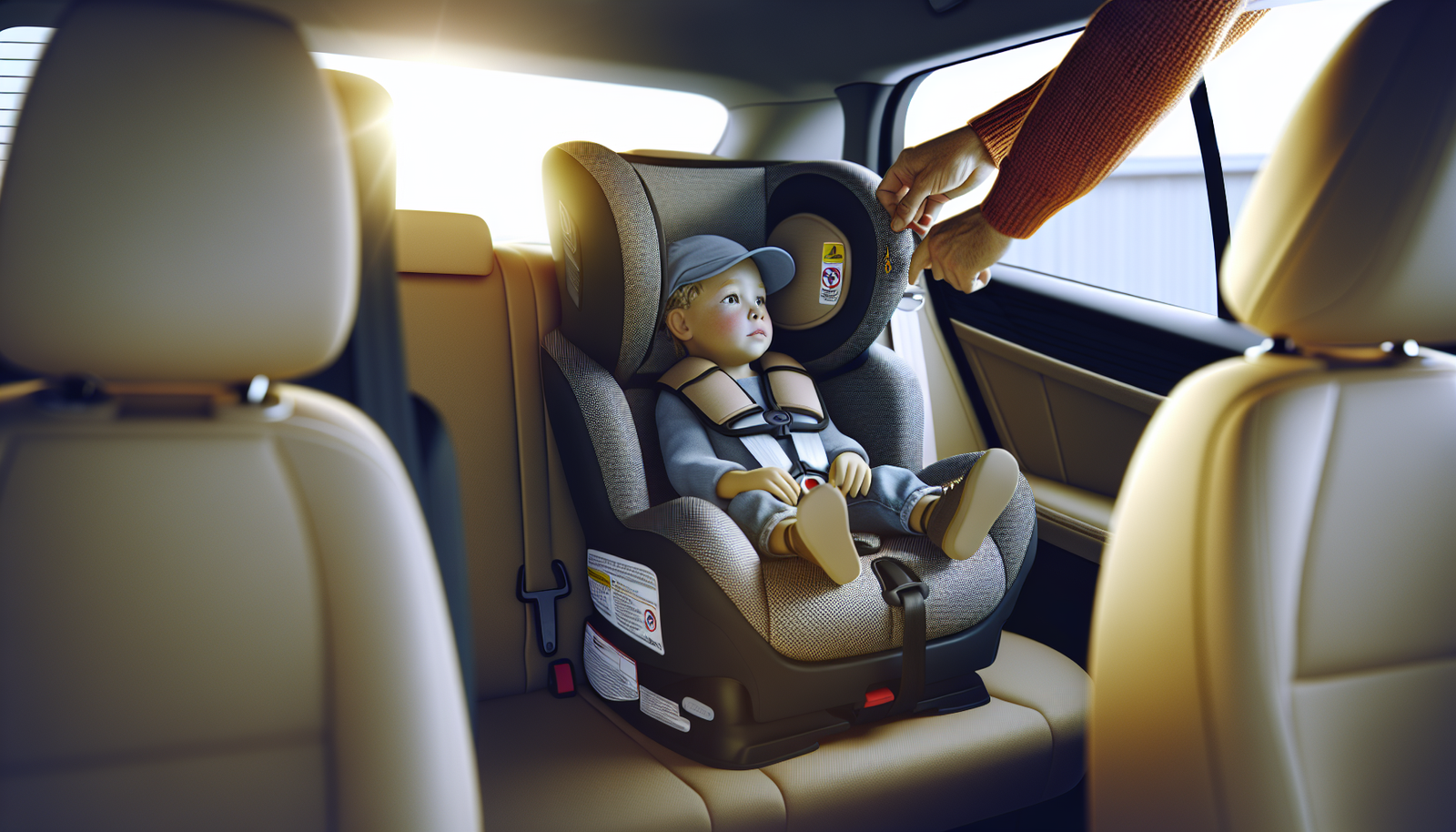
Keeping toddlers secure in cars saves lives. This guide covers toddler car seat safety principles, practical installation and fit tips, common mistakes, and how to choose and use a Safety 1st car seat. You’ll find evidence-based steps, maintenance advice, and a buying checklist to help every family make safer, legally compliant choices for daily trips and long journeys.
Why toddler Car Seat safety matters
- When traveling with young children, it’s important to recognize how physically vulnerable toddlers are during a crash. Unlike adults, toddlers have comparatively large heads, less developed neck muscles, and delicate spines. Even a brief stop or minor collision can cause injuries, but a well-designed, correctly installed car seat provides critical protection by absorbing crash forces and holding a child in place. Practicing strong toddler car seat safety doesn’t just reduce risk—it’s the most reliable safeguard families have on the road.
- Decades of research by organizations like the National Highway Traffic Safety Administration (NHTSA) and the American Academy of Pediatrics (AAP) underline the importance of following authoritative safety guidelines. These include keeping children rear-facing until they reach the highest weight and height allowed by the seat’s manufacturer, not just until a certain age. Rear-facing positions cradle the head, neck, and spine, distributing force much more effectively than forward-facing seats if a collision occurs. Experts urge families to use the correct car seat for a child’s specific size, and to ensure the harness fit is snug and properly positioned. These evidence-based recommendations stem from crash data showing that children in correctly used restraints experience significantly fewer fatalities and serious injuries.
- Proper child restraints lower the risk of injury in a crash situation. Although numbers vary, reputable sources agree that child occupants are far safer in a harnessed car seat than without it. NHTSA, AAP, and safety-focused manufacturers such as Safety 1st all stress that combining the right type of seat, correct installation, and secure harnessing dramatically improves a toddler’s chances in sudden stops or impacts.
- For example, if a parent installs a Safety 1st car seat following all directions and checks harness tightness each ride, the seat is much more likely to protect the toddler’s fragile head and chest in a crash. In contrast, a loose harness or an incorrectly installed child restraint could allow dangerous movement, even if the seat itself is well-made. Real-world crash investigations consistently show better outcomes for children restrained properly: fewer hospitalizations, less severe injuries, and in many cases, lives saved.
- With these facts in mind, the next chapter will guide you through the various types of seats available, along with must-check safety features and practical tips, helping you make informed decisions as your toddler grows.
Types of Car Seats and Features to Know
- Infant-only seats: Designed for newborns and young babies, these rear-facing seats typically cover birth to around 30-35 lbs and up to approximately 32 inches in height. They offer a snug fit for small bodies and often come with detachable bases for easy transition in and out of the car. Transition is needed when a child nears the seat’s height or weight limit.
- Convertible seats: These versatile models switch from rear-facing to forward-facing, supporting children from infancy well into toddlerhood (often 5-65 lbs, but always check the specific seat). Rear-facing use is preferred up to the limit; then the seat converts as the child grows. Some have higher rear-facing thresholds, expanding protection for toddlers.
- Combination seats: Ideal for toddlers and preschoolers, these start out as forward-facing harness seats (typically 22-65 lbs) and convert into belt-positioning boosters (up to 100 lbs or more). They bridge the toddler-to-school-age transition.
- Booster seats: For older, larger children (generally starting at 40 lbs and 38 inches tall), boosters position the vehicle’s seat belt correctly across the child’s body until they fit the standard seat belt alone (often 4’9” tall).
- Technical safety features: Critical attributes include a five-point harness for secure restraint; adjustable headrest to accommodate growth; energy-absorbing foam for impact reduction; side-impact protection; top tether for forward-facing seats; LATCH compatibility and clear belt-routing for simpler installation; built-in lock-offs that assist with tightness; and recline angle indicators for safety in rear-facing mode.
- Safety 1st brand insights: Safety 1st car seats commonly feature parent-friendly installation markers, one-hand adjustable headrests, and clear harness guides. Their convertible models may balance price with features such as side-impact protection and LATCH, offering both entry and feature-rich tiers. Always check your seat’s manual and label for weight/height limits and certifications.
- Labels and certifications: Look for FMVSS (Federal Motor Vehicle Safety Standard) compliance, which signals crash test approval in the U.S. Manufacturer labels show expiration dates and manufacture dates—never use a seat past its expiration.
- Selecting the right seat: Match your choice to your child’s present size, anticipated growth, and your vehicle’s seating layout (width, seat shape, seatbelt configuration, airbags). Ensure the seat fits securely in your model, especially in compact cars or when fitting alongside other car seats.
Understanding Safe Transitions as Your Toddler Grows
When exploring toddler car seat safety, it’s important to look at how each seat supports your child through different growth stages. The Graco Tranzitions 3-in-1 Harness Booster Car Seat is a great example of a model that adapts as your child moves from harness mode to high-back booster and eventually a backless booster, helping families stay confident at every milestone. For parents seeking easier daily routines, the Joie Chili Spin 360 2-in-1 Rotating Convertible Car Seat adds convenience with its swivel design, making secure fastening far less stressful on your back and helping ensure the harness is properly tightened every time.
Car Seat Feature Checklist for Parents
- Fits child’s current weight and height, with room to grow
- Appropriate for rear- vs forward-facing per guidelines
- Five-point harness; adjustable for snug fit
- Energy-absorbing materials
- Clear labels for expiration/manufacture date and compliance
- Side-impact protection
- Compatible with your vehicle and seating positions
- Simple and secure installation features (LATCH, lock-offs, indicators)
- Easy-to-read belt route markings
Key installation and fit steps for toddlers
- Pre-install preparation: Start by carefully reading both your vehicle’s owner manual and the car seat manual, as installation instructions and requirements can differ by model. Confirm the car seat’s manufacture date is within the valid range; avoid using any seat past its expiration or one with visible damage. Check for open recalls on your Safety 1st car seat or any other model by reviewing the manufacturer’s website or national recall registries.
- Choosing installation method: LATCH vs seat belt — Use either the vehicle’s LATCH anchors or seat belt, never both unless allowed by the seat manufacturer. LATCH is often simpler and has weight limits (consult your manuals). If using a seat belt, make sure it locks, either through the seat or vehicle retractor. Route the belt or LATCH strap through the correct path (rear or forward-facing as indicated). Install the seat tightly; test for movement at the belt path — it should not shift more than one inch side-to-side or front-to-back (the “one-inch/two-finger rule”).
- Setting the correct angle and facing direction: For rear-facing, use the seat’s built-in angle indicator and install so that the seat is reclined enough for your toddler’s head to stay back but not so flat as to be unsafe. Confirm your child remains within the height and weight limits for rear-facing—transition to forward-facing only when these thresholds, not age, are exceeded.
- Harness adjustment:
- Place harness slots at or below the child’s shoulders for rear-facing; at or above for forward-facing.
- Buckle the harness, removing all slack, and secure the chest clip at armpit level.
- Use the pinch test: you should not be able to pinch any excess harness material at the collarbone.
- Avoid heavy/bulky clothing under the straps.
- Before every trip:
- Confirm harness snugness and chest-clip position.
- Check installation tightness (<1 inch movement).
- Ensure correct harness slot and recline angle.
- Top tether for forward-facing: Always use the top tether when installing forward-facing seats. Attach it to the designated anchor point and tighten. The tether reduces forward head movement in a crash. Common mistakes include missing the anchor, skipping the tether entirely, or misrouting.
- Dealing with tricky vehicle seats and compatibility: Not all car seats fit perfectly in every vehicle, especially third rows. If possible, test your Safety 1st car seat or other models in your vehicle before purchase. Reference community compatibility lists, but always trust your car seat and vehicle manuals over crowd-sourced advice.
If unsure about your installation or fit, consult a local car seat inspection station or certified Child Passenger Safety Technician for hands-on guidance.
Common errors maintenance and post crash care
- Most common installation and use errors:
- Loose installation: Failing to secure the car seat tightly, allowing side-to-side or front-to-back movement greater than one inch at the belt path, significantly reduces protection in a crash.
- Incorrect harness routing: Positioning the harness incorrectly through the car seat slots for the selected mode (rear- or forward-facing) can put the harness at the wrong height or angle on your toddler.
- Chest clip too low: A chest clip not at armpit level won’t keep the harness properly positioned on the shoulders, increasing risk of ejection or injury.
- Forward-facing too early: Transitioning to forward-facing before reaching maximum height or weight for rear-facing as listed in the manual greatly reduces safety.
- Using expired or recalled seats: Ignoring expiration labels or recall notices can put children at risk due to aged or defective materials.
- Misuse of belt-positioning boosters: Using a booster before a child meets the minimum weight/height, or with an improper lap/shoulder belt fit, compromises restraint function.
- Maintenance best practices:
- Hand-wash covers as directed, air-dry only.
- Gently wipe harnesses, avoid submersion which can weaken their fibers.
- Store seat away from direct sunlight or extreme temperatures.
- Replace only with Safety 1st or manufacturer-approved components.
- Check expiration date and manufacture label regularly.
- Avoid aftermarket padding or altering harness fit.
- Post-crash care:
- In any major crash (airbags deploy, door near seat damaged, vehicle undriveable, or injuries), seat must be replaced.
- If unsure, check seat for cracks, bent frame, stretched belts, or missing parts.
- Always follow Safety 1st or your brand’s specific replacement guidelines regardless of visible damage.
- Document the crash and contact the manufacturer and your auto insurance for replacement instructions.
- Secondhand seat guidance:
- Avoid seats with unknown history, missing manuals or labels, expired, or that have been in any crash.
- Only consider a used Safety 1st seat if all parts are present, it’s within date, never crashed, and the full history is known and verifiable.
- Recall and registration advice:
- Register your seat with Safety 1st by mail or online. This ensures you receive prompt recall notifications.
- Periodically check for recalls using the seat’s model and manufacture date at NHTSA.gov or the brand website.
- If recalled, stop using the seat and follow the manufacturer’s instructions for repair or replacement.
- Maintenance Checklist:
- Inspect harness and shell for wear monthly.
- Check expiration and recall status twice a year.
- Clean per manual after messes, air-dry components.
- Verify harness tension and routing at every use.
- Store indoors when not in use long-term.
- Emergency Post-Crash Action List:
- Check seat and child for injuries and damage.
- Photograph the car seat and vehicle after the crash.
- Document crash details (date, damage, location in vehicle).
- Contact the seat manufacturer for guidance.
- Work with your insurer on replacement, if applicable.
- Cease use if any doubt exists about seat integrity.
How to choose and buy the right Safety 1st car seat
- Decision Framework:
- Child Size: Begin by carefully checking your toddler’s weight and height, as Safety 1st car seats—and all seats—have specific limits. Always match your child’s current stats to the seat’s range, accounting for growth over the next few years. For tall or heavier toddlers, opt for a model that offers extended rear-facing and higher maximums.
- Family Timeline & Seat Type: For families seeking a single purchase, a convertible seat (which transforms from rear-facing to forward-facing) often provides better value and longer use than forward-facing-only or booster-specific models. Booster seats come into play only when your child has outgrown harness heights and weights, so consider how many years your toddler will need harness protection.
- Vehicle Compatibility: Measure both your vehicle’s back seat width and the seat pitch if you intend to fit multiple seats, or have a compact car. Some Safety 1st car seat models are narrower and accommodate tight spaces better than others.
- Budget: While budget is important, prioritize safety features and longevity. A car seat that adjusts as your child grows can be more economical in the long run.
- Feature Checklist:
- Look for easy installation indicators like clear belt path color-coding, built-in lock-offs, and one-click LATCH connectors.
- Harness adjustability is crucial—prefer no-rethread harnesses and multiple harness slot heights.
- Choose models with extra side-impact protection and energy-absorbing foam.
- Seats that accommodate rear-facing longer bring a substantial safety advantage. Seek higher limits here.
- Washable and removable covers help keep hygiene manageable.
- Warranty and responsive customer service should factor into your decision for assistance over years of use.
- How to Test Fit:
- Bring your vehicle to the store if possible. Conduct a test installation—the seat should not move more than an inch in any direction at the belt path.
- Check that your child’s head and shoulders fit comfortably, and observe harness fit—no bunching, proper buckle placement.
- Ensure you can access and use LATCH anchors or seat belts in your car with that model, and confirm top tether accessibility before purchase.
- Where to Buy & Certifications:
- Purchase from authorized retail partners or directly from the manufacturer for authentic products and full warranty.
- Check for safety certifications (such as FMVSS 213 in the US or ECE R44/04/ECE R129 in Europe) visible on labeling. Avoid non-certified imports or “deals” lacking documentation.
- Budget and Long-Term Value:
- Balance cost by focusing on multipurpose or extended-use Safety 1st seats. Sometimes models with additional recline or harness positions offset a higher price by extending use through multiple stages of growth.
- Don’t sacrifice essential features or safety ratings to save money. Long-term, a durable seat outlasts a series of cheaper, short-lived options.
- Pre-Purchase and Post-Purchase Checklist:
- Before buying, double-check child size, vehicle fit, and essential features.
- Register your new Safety 1st car seat online or by mail to ensure recall notifications.
- Read the manual thoroughly—many installation issues arise from overlooked instructions.
- Whenever possible, have a certified technician inspect the installed seat for expert confirmation.
- Choosing the right car seat, paired with best installation and consistent upkeep, means the seat will deliver maximum protection for your toddler—no matter the brand or model.
Conclusions
Prioritizing toddler car seat safety reduces risk and builds parental confidence. Keep toddlers rear-facing as long as allowed, install seats tightly with LATCH or seat belt, maintain a snug harness and correct chest-clip position, and replace seats after crashes or when expired. Use Safety 1st models as one option but always verify fit with your vehicle and follow the manufacturer’s instructions and recall notices.