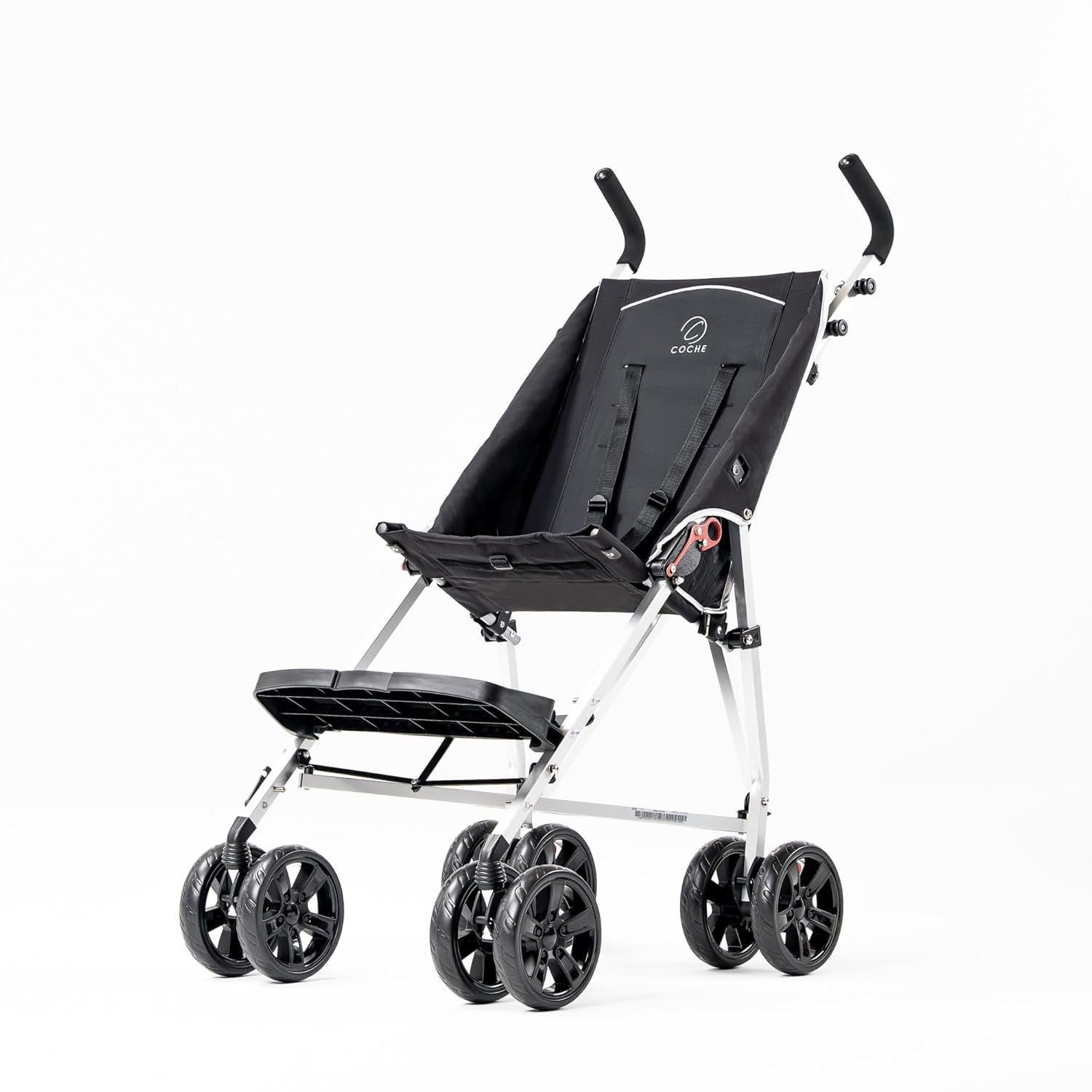
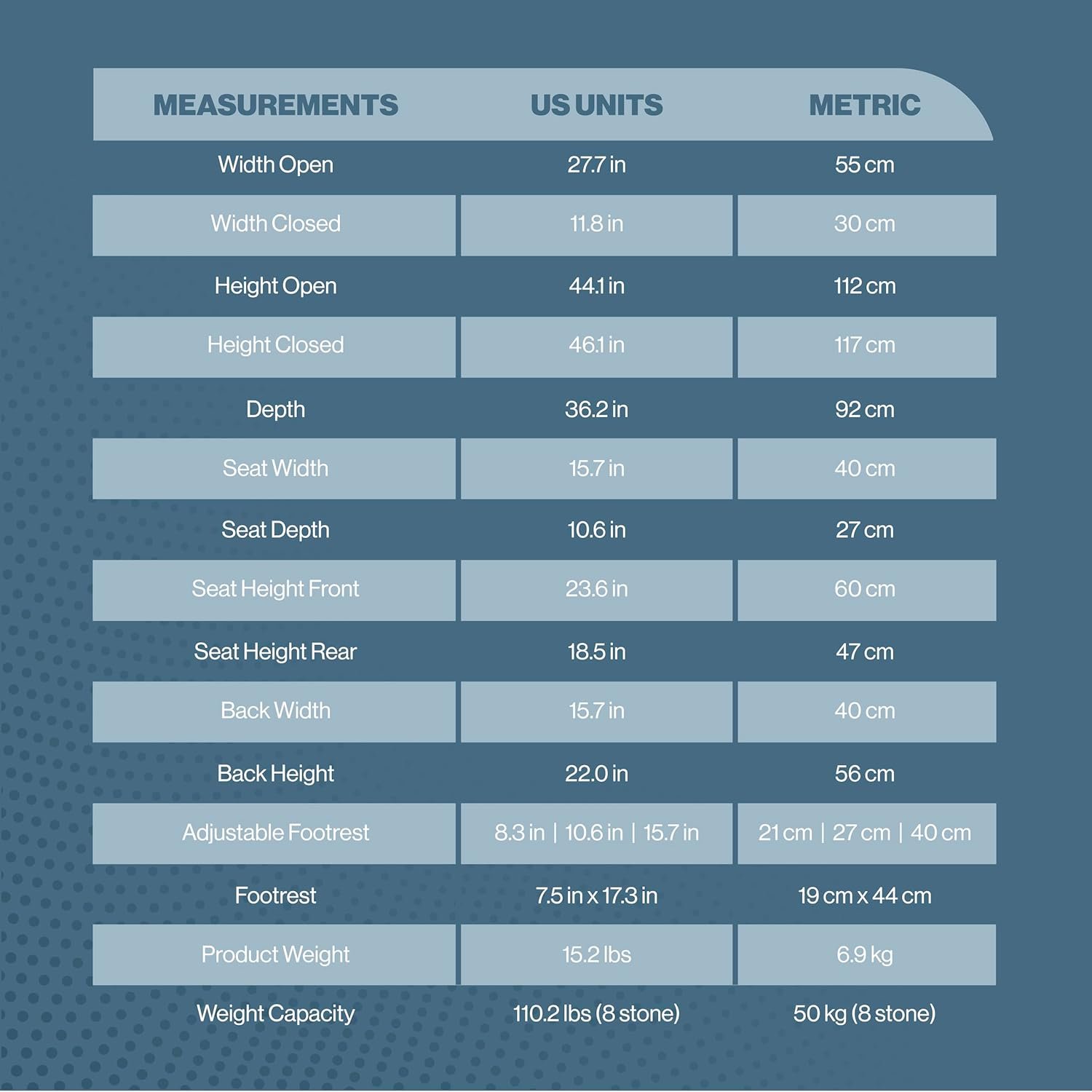

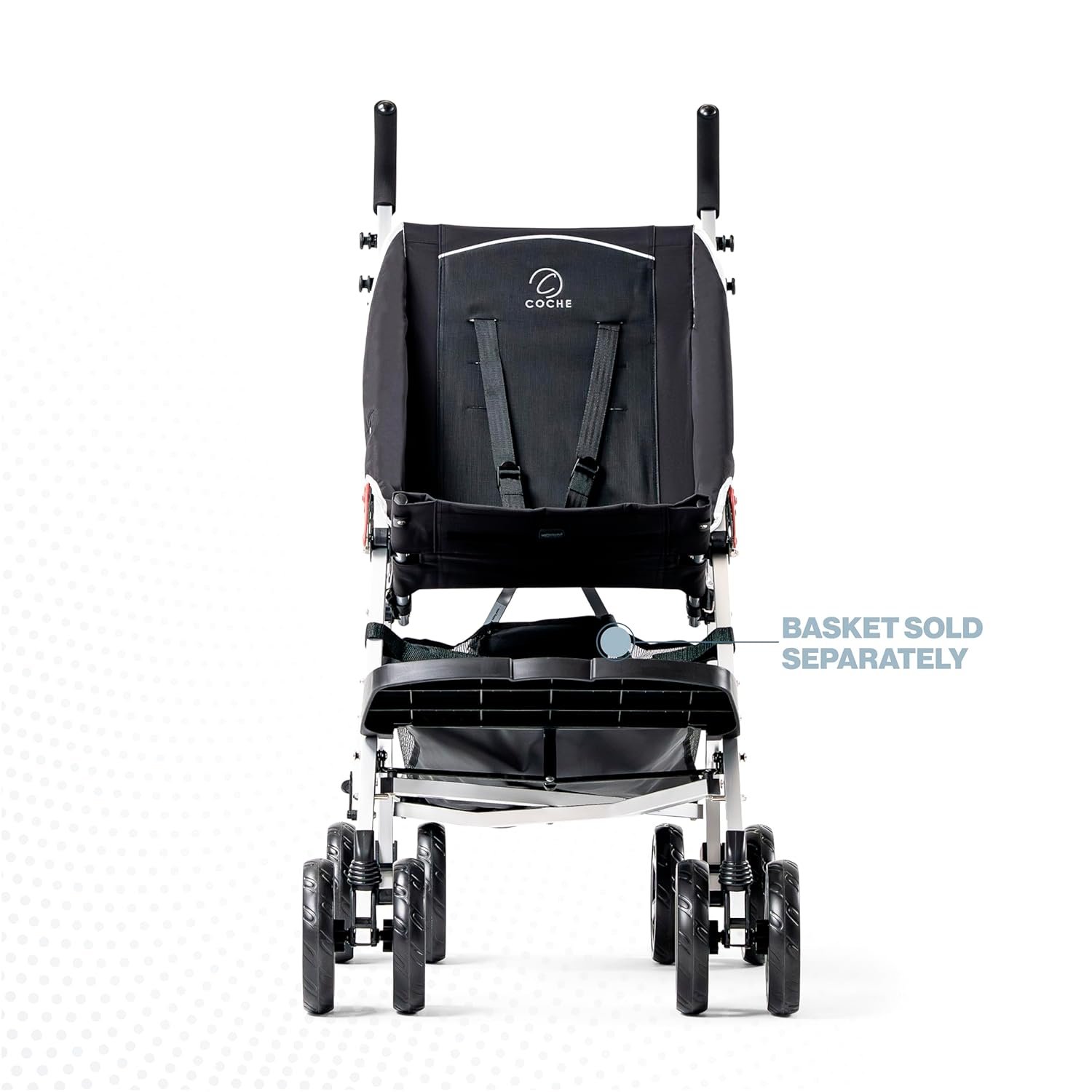
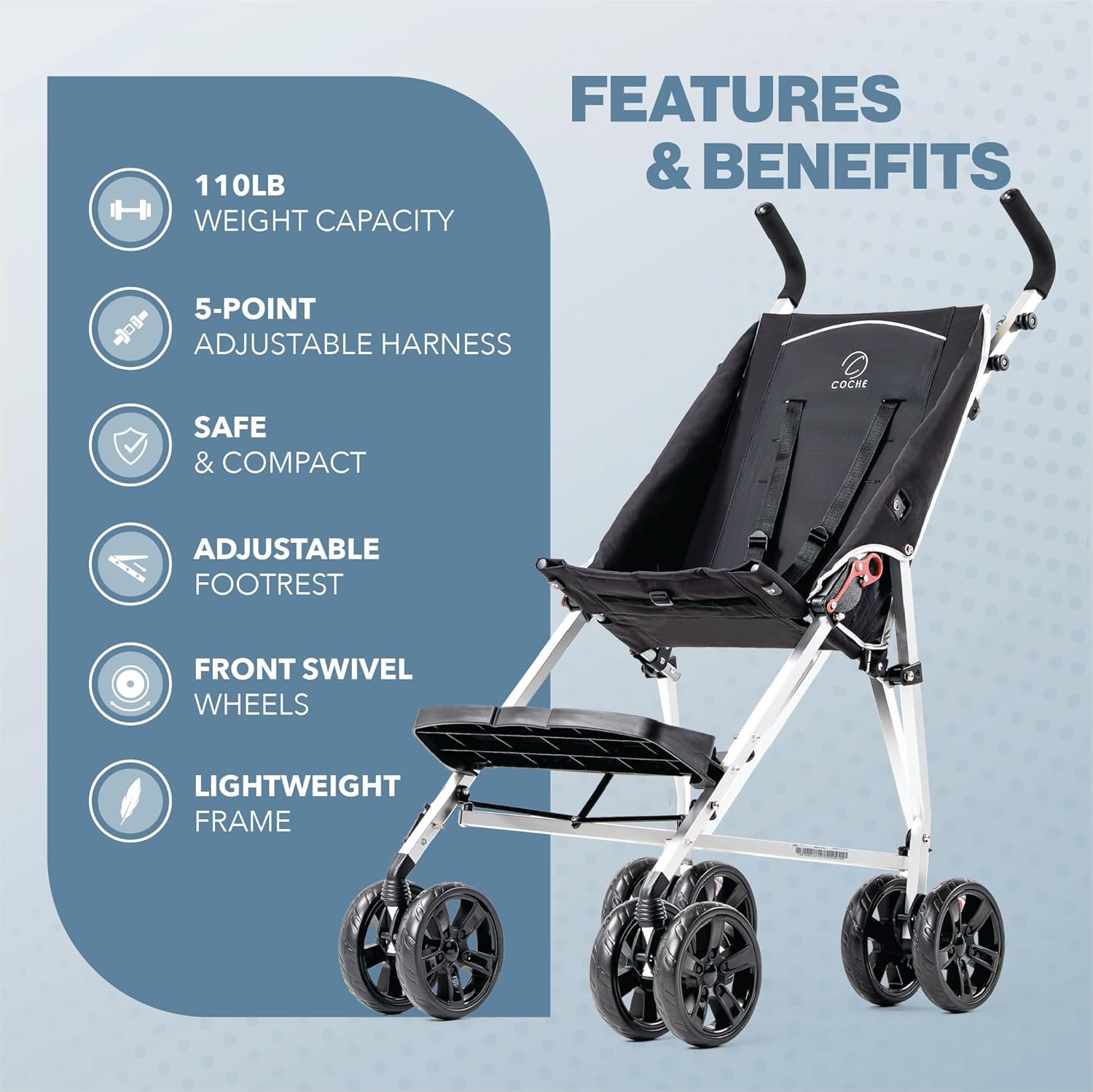

This special-needs mobility pushchair is designed to support children who require additional postural stability, comfort, or sensory security during travel. The padded seat, secure harness, and lightweight frame help caregivers move smoothly through daily outings, parks, or school transitions. With an excellent 4.8/5 rating, parents appreciate its reliability and stability.
See how it supports comfortable, confident mobility for your child.
Understanding the Role of a Special Needs Stroller in Daily Life
An Expert Introduction for Parents and Caregivers
Choosing a special needs stroller is never just about convenience. It’s about dignity, comfort, and freedom for a child who needs more support than a standard pushchair can offer. Families looking for a reliable solution are often balancing medical advice, daily routines, and emotional well-being, all at once. This is where a well-designed special needs stroller becomes more than equipment. It becomes a bridge to everyday life.
This XL disability stroller is built specifically for older children who benefit from structured seating and consistent postural support. It doesn’t try to look like a standard stroller with minor adjustments. Instead, it embraces its purpose and delivers a design that feels intentional, supportive, and respectful of the child using it.
From the first interaction, it’s clear that this stroller was created with real caregiving challenges in mind. It addresses mobility without sacrificing comfort, and stability without becoming heavy or difficult to manage.
First Impressions That Build Confidence
First impressions matter deeply with adaptive gear. Parents and caregivers need to feel confident immediately, especially when a child’s comfort and safety are involved. This special needs stroller makes a strong initial impact through its balanced structure and clean, purposeful design.
The aluminum frame feels sturdy yet surprisingly light when lifting or maneuvering. There’s no sense of fragility, but also no unnecessary bulk. The stroller stands solidly when stationary, giving caregivers reassurance before a child is even seated.
The seating area immediately communicates support. Padding is firm but cushioned, designed to hold posture rather than let the body slump. The proportions clearly accommodate an older child, offering space without sacrificing containment.
Build Quality That Supports Daily Demands
Durability is non-negotiable in a special needs stroller. Daily use can include uneven sidewalks, school grounds, parks, and frequent transitions in and out of vehicles. This stroller is built to handle those realities.
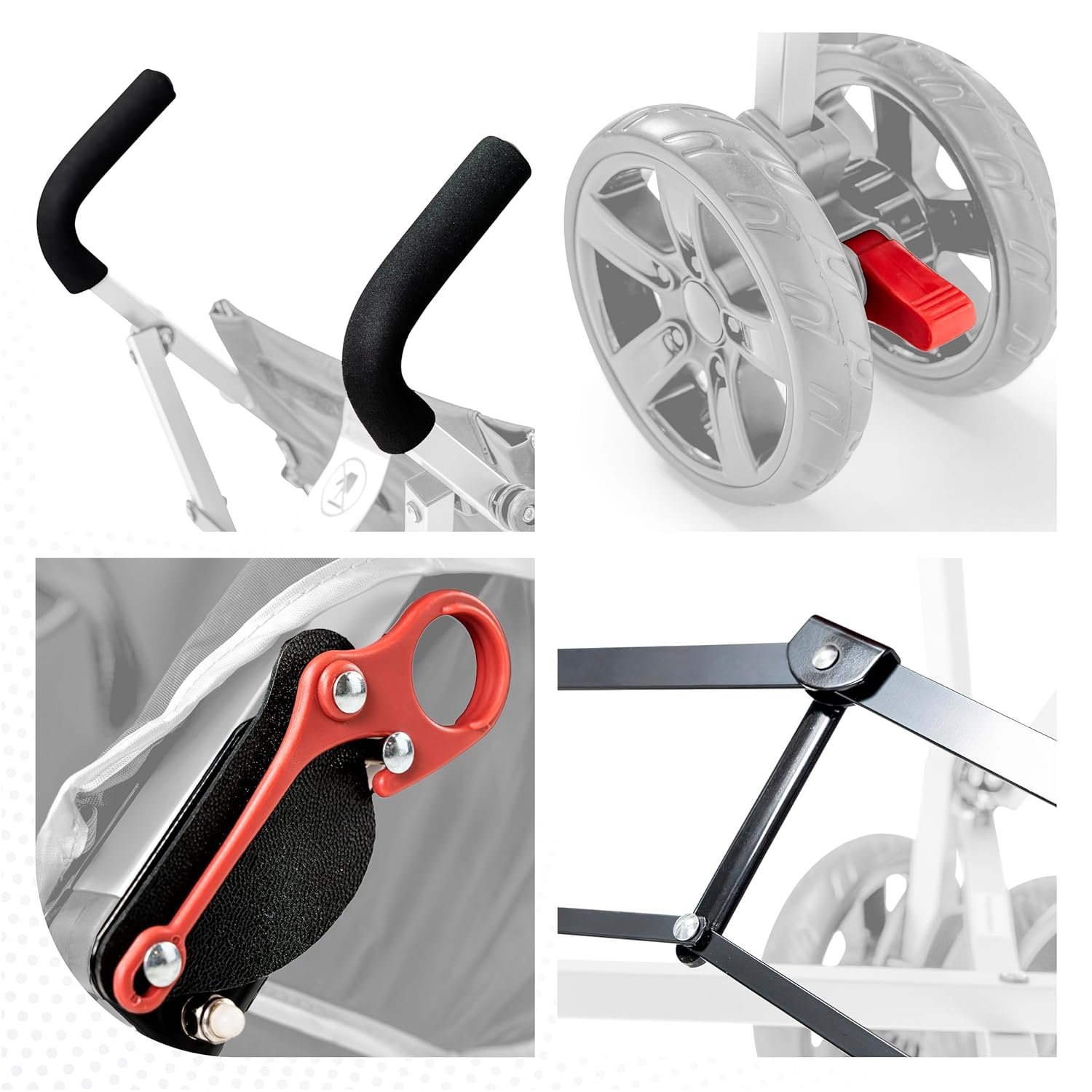
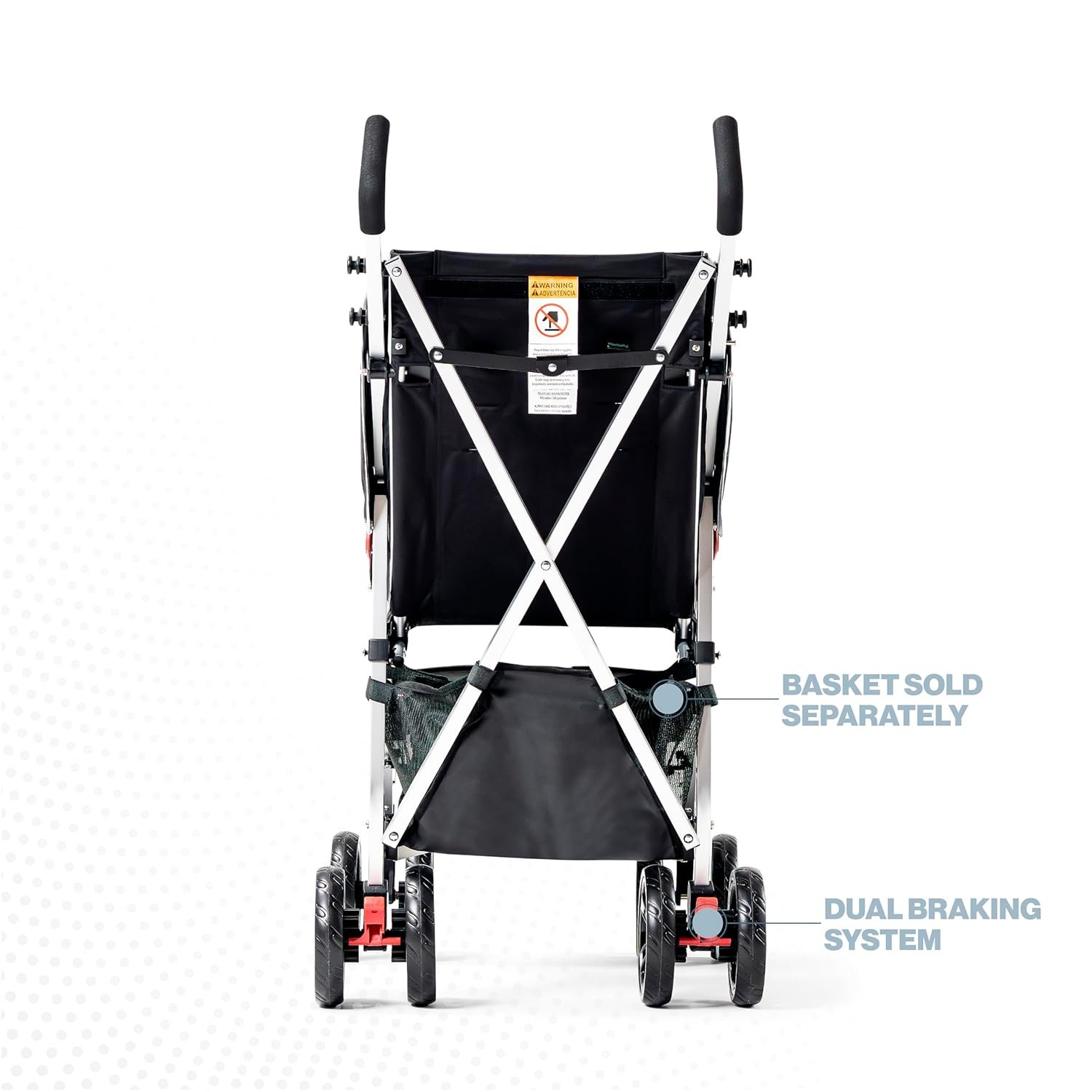
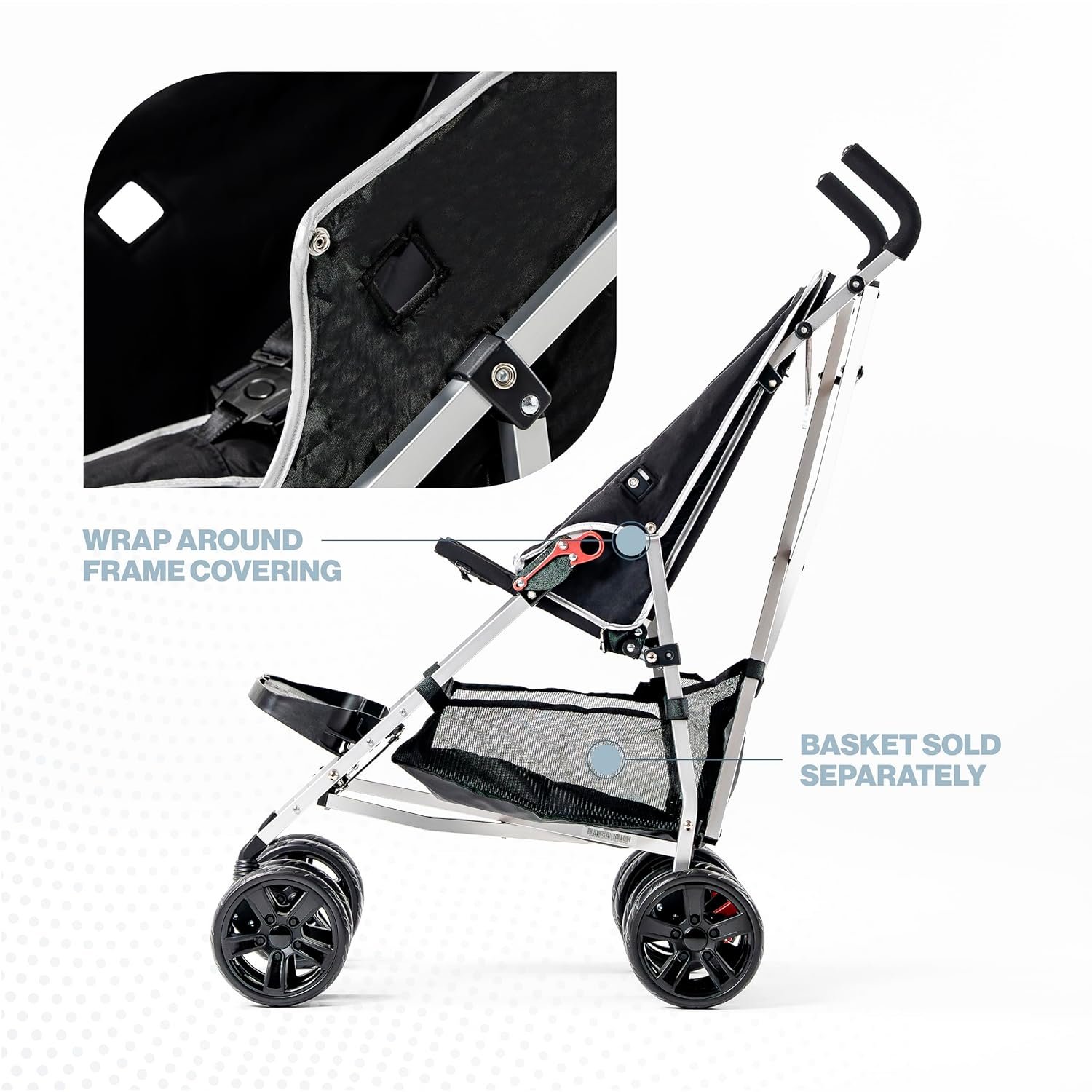
The lightweight aluminum frame resists flexing, even when navigating uneven terrain. Joints feel secure, and the overall construction inspires confidence that it can handle repeated folding, lifting, and long-term use. Large wheels with shock absorption add another layer of comfort, smoothing out bumps that could otherwise cause discomfort or fatigue.
This build quality isn’t just about longevity. It directly impacts the child’s experience. Reduced vibration and steady movement help maintain calm, especially for children who are sensitive to motion.
Safety and Postural Support as a Priority
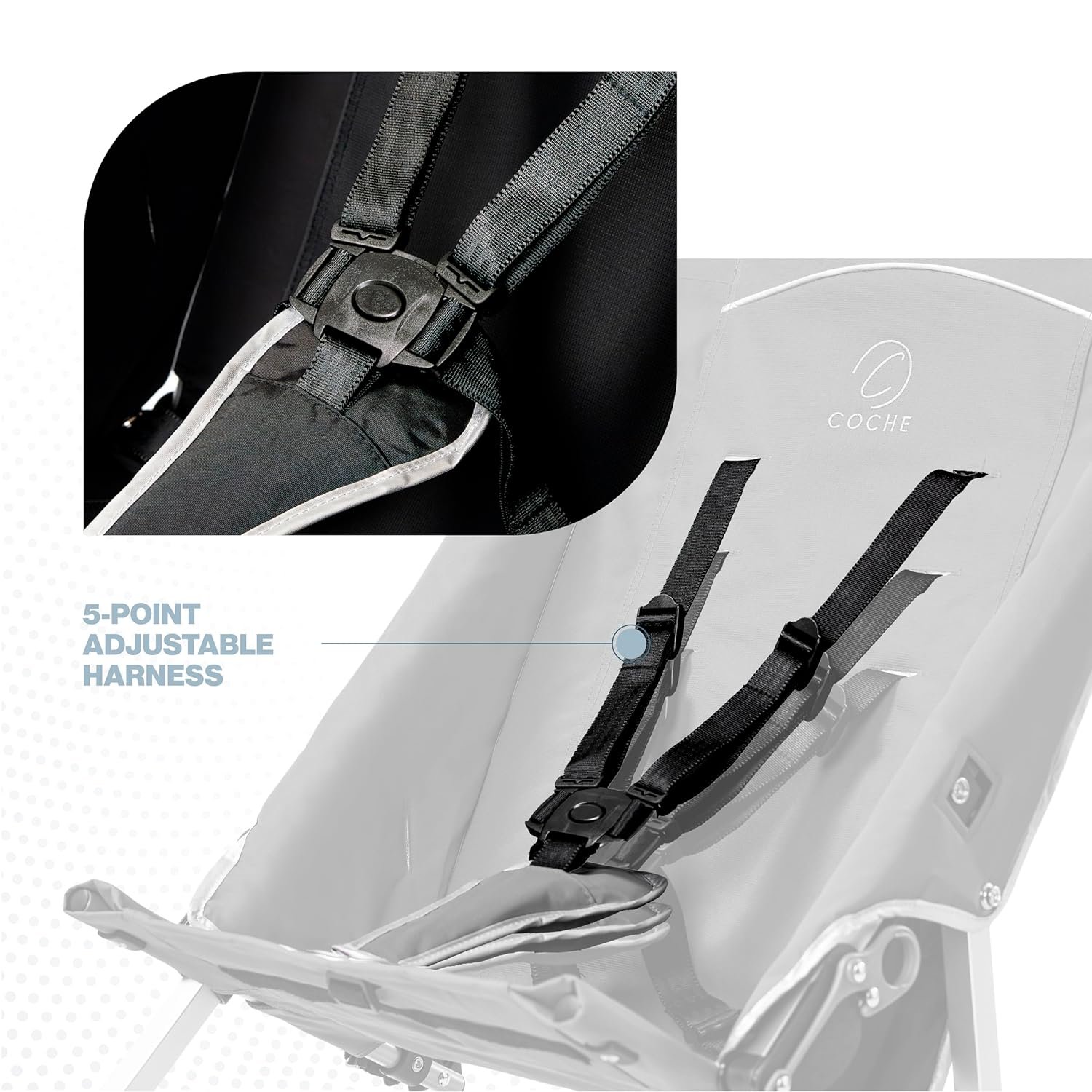
Safety in a special needs stroller goes beyond basic restraint. It’s about proper positioning, secure containment, and reducing physical strain over time. The 5-point harness system is central to this design, offering consistent support without feeling restrictive.
The harness holds the child securely in place, helping maintain upright posture during longer outings. This can reduce fatigue and improve comfort, particularly for children who struggle with core strength or balance. Back support is structured and stable, encouraging proper alignment rather than passive sitting.
Caregivers will appreciate that adjustments feel deliberate and manageable. There’s no guesswork involved, which is critical when time is limited and focus needs to stay on the child.
Why This Type of Stroller Truly Matters
A special needs stroller plays a vital role in expanding a child’s world. It allows families to move beyond the home safely and comfortably, whether that means attending school events, going for walks, or simply running errands together.
This stroller supports inclusion. It makes everyday environments more accessible without drawing unnecessary attention. Children remain comfortable and supported, while caregivers gain confidence in handling longer outings.
For families already investing in high-quality supportive equipment, this stroller fits naturally into that ecosystem. It complements premium adaptive gear such as the Special Supplies Sensory Rocking Chair for Kids, offering mobility support that aligns with structured seating used at home or in therapeutic settings.
Designed for Real Family Life
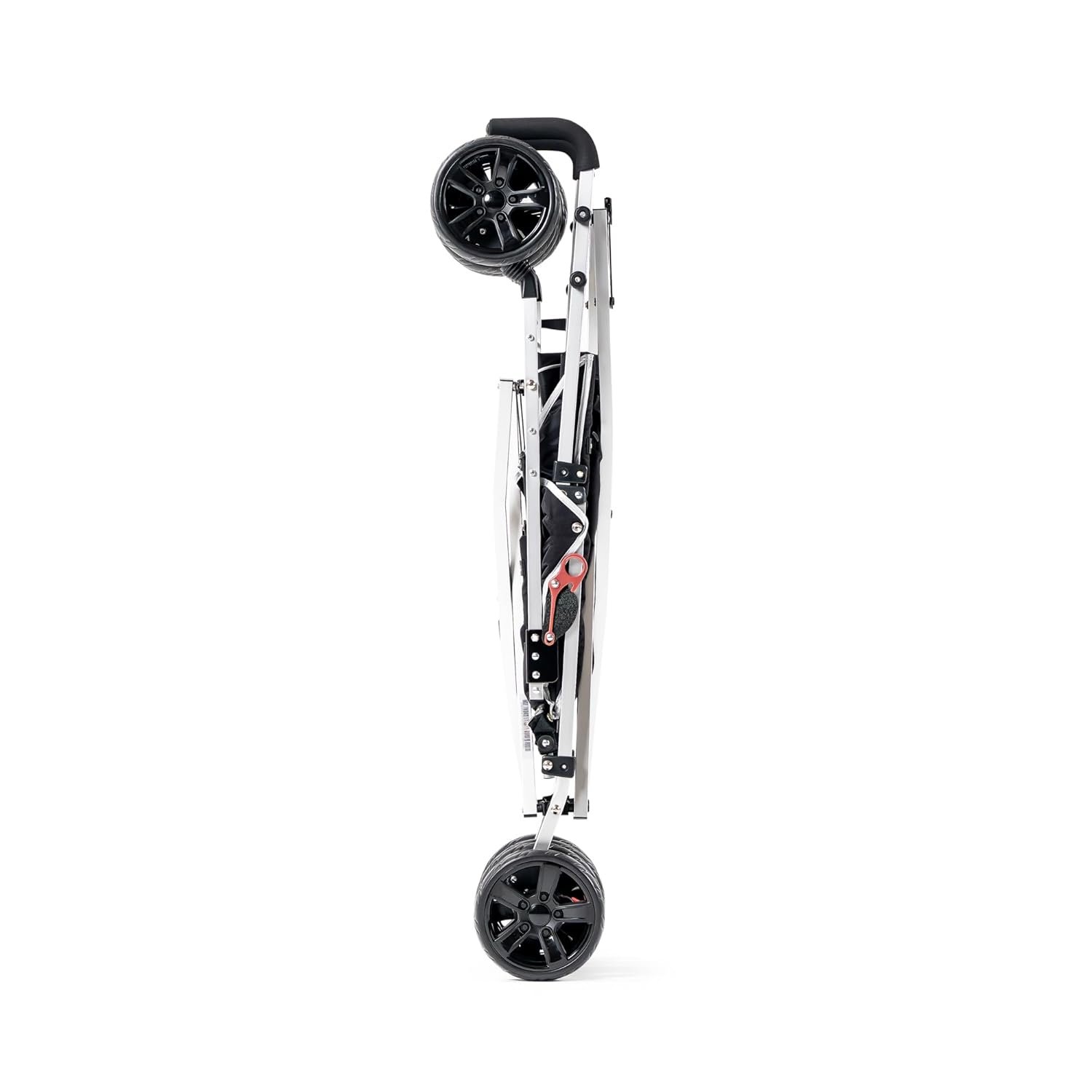
One of the most appreciated features of this special needs stroller is its folding system. Folding is smooth and intuitive, allowing it to fit into car trunks or storage spaces without excessive effort. This is especially important for caregivers who may already be managing physical strain.
While some accessories like sunshades or rain covers may need to be purchased separately, the core stroller focuses on what matters most: stability, comfort, and ease of use. It prioritizes function over excess, which many families find refreshing.
At its heart, this stroller is about making daily life more manageable. It removes barriers rather than adding complexity.
By focusing on thoughtful support, reliable construction, and caregiver-friendly design, this special needs stroller establishes itself as a trusted mobility solution from the very first use.
Daily Use, Mobility, and Real-World Performance of a Special Needs Stroller
How Daily Outings Feel for Caregivers
Daily routines with a child who requires additional support demand equipment that works with you, not against you. A special needs stroller must respond smoothly to frequent transitions, varied environments, and unpredictable schedules. In everyday use, this stroller proves itself to be thoughtfully designed for exactly those realities.
Pushing the stroller feels balanced and controlled, even when navigating crowded sidewalks or tight indoor spaces. The handle height and frame geometry reduce strain on wrists and shoulders, which is especially important for caregivers who spend long hours assisting mobility. Direction changes feel intuitive rather than forced, and the stroller tracks straight without constant correction.
Getting a child in and out is handled with calm efficiency. The harness system opens wide, allowing caregivers to position the child comfortably before securing them. There’s no wrestling with straps or awkward angles. That ease lowers stress for both child and adult, setting a positive tone before the outing even begins.
Performance Across Different Environments
A special needs stroller must perform beyond smooth indoor floors. Outdoor terrain, uneven pavement, and longer distances are part of real life. This stroller handles those challenges with quiet confidence.
Large, shock-absorbing wheels soften the impact of cracks, curb cuts, and gravel paths. Movement remains steady rather than jarring, which helps children maintain posture and reduces sensory overload during longer walks. For children who fatigue easily, that smoother ride can make the difference between enjoying an outing and needing to cut it short.
Stability remains consistent whether the stroller is moving or stationary. When stopped, it doesn’t feel prone to tipping or rolling, even on slight inclines. That sense of security matters deeply when caregivers need both hands free for brief moments.
Supporting the Caregiver’s Workflow
Caregiver workflow is shaped by repetition. The same tasks performed multiple times a day need to be efficient, predictable, and gentle on the body. This special needs stroller integrates well into those rhythms.
Folding the stroller is straightforward and does not require excessive force. It collapses into a manageable profile that fits into most vehicle trunks, which is critical for families who travel to therapy sessions, school, or medical appointments. Lifting it in and out of a car feels manageable due to the lightweight aluminum frame.
Storage considerations are practical rather than excessive. There’s enough space for essential items without adding bulk or interfering with maneuverability. The design respects that caregivers often carry medical supplies, personal items, and comfort objects all at once.
Families who already rely on supportive tools at home, such as the Seating System, will recognize the value of structured, intentional design. While that system supports posture indoors, this special needs stroller extends the same philosophy into outdoor and travel environments, creating continuity for the child.
Real-Life Scenarios That Highlight Value
Imagine a school pickup at the end of a long day. The child is tired, less tolerant of discomfort, and sensitive to movement. The stroller’s supportive seating and smooth ride help maintain calm during the walk home, reducing emotional and physical strain.
Consider a family outing to a park or community event. Uneven paths, crowds, and longer distances are unavoidable. The stroller’s stability and shock absorption allow the child to remain comfortably seated without constant repositioning. Caregivers can focus on the experience rather than managing discomfort.
Even routine errands benefit. Quick trips to the store or short walks around the neighborhood become more accessible when mobility equipment doesn’t feel like a burden. Over time, those small wins add up, expanding the family’s sense of normalcy.
Comfort Over Extended Periods
Extended use is where many mobility products fall short. This special needs stroller is designed to support longer outings without compromising comfort. The seating maintains posture while distributing pressure evenly, reducing the risk of discomfort or fatigue.
Back support remains consistent, preventing slouching that can lead to strain. The harness holds securely without digging or pulling, which is especially important for children who are sensitive to tactile discomfort. Over time, these details help preserve energy and mood.
Temperature comfort is also considered. Breathable materials help prevent overheating, making the stroller suitable for a range of climates and seasons. Children remain more settled when their physical comfort is maintained.
Integration With Broader Support Needs
Many families managing special needs rely on a combination of mobility, therapeutic, and sensory support tools. This stroller integrates smoothly into that broader system rather than functioning as an isolated solution.
For example, children who benefit from calming sensory input at home may also use products like the Weighted Blanket for Kids during rest periods. While that tool supports regulation indoors, the stroller provides physical containment and postural stability during outings, supporting overall well-being in different contexts.
This alignment across environments helps children feel more secure. Familiar support patterns reduce anxiety and make transitions between home and outside settings smoother.
Why Daily Reliability Matters
Reliability is the true measure of any special needs stroller. Caregivers depend on it not just occasionally, but every single day. This stroller delivers consistent performance without introducing new challenges as routines evolve.
There are no unexpected adjustments, no sudden instability, and no learning curve that reappears after weeks of use. It becomes predictable, which is exactly what families need. That predictability builds trust, allowing caregivers to plan longer outings and include the child in more activities.
Over time, the stroller becomes less of a piece of equipment and more of a facilitator of participation. It supports not only movement, but connection.
Long-Term Value, Growth Support, and Lasting Relevance of a Special Needs Stroller
Designed to Support Growth Over Time
A special needs stroller is rarely a short-term purchase. Families choose it with the hope that it will continue to serve their child as needs evolve and routines change. This stroller is built with that long-term perspective clearly in mind.
The XL seating area accommodates growth without making the child feel lost or unsupported. As children get taller or heavier, the structured seat and stable back support continue to provide consistent positioning. The stroller doesn’t rely on tight confinement to maintain posture. Instead, it uses thoughtful proportions and supportive contours that remain effective over time.
This adaptability helps families avoid frequent replacements. Rather than outgrowing the stroller quickly, children can continue using it comfortably as they develop, which brings both emotional and financial relief to caregivers.
Comfort That Remains Consistent With Age
Comfort needs don’t disappear as children grow. In many cases, they become more complex. This special needs stroller maintains comfort by focusing on posture, pressure distribution, and movement control rather than excessive padding alone.
The seat remains supportive during longer periods of use, helping reduce fatigue that can accumulate during school days, appointments, or extended outings. The back support continues to encourage upright alignment, which is especially important for children who struggle with muscle tone or endurance.
As children become more aware of their surroundings, a comfortable seating experience helps them stay engaged rather than restless. This can make outings more enjoyable and less exhausting for everyone involved.
Durability That Justifies the Investment
Long-term value is closely tied to how well a product holds up under repeated use. A special needs stroller must endure daily folding, lifting, pushing, and exposure to varied environments. This stroller is built to meet those demands without gradual decline in performance.
The aluminum frame maintains its integrity over time, resisting bending or loosening even with frequent transport. Wheels continue to roll smoothly, and shock absorption remains effective, preserving ride quality long after the initial months of use.
Fabric durability also plays a significant role in longevity. Materials are designed to withstand regular cleaning without losing structure or comfort. This matters for hygiene, but also for maintaining a familiar feel that children rely on.
Reliability That Reduces Caregiver Stress
One of the most underestimated aspects of long-term value is mental relief. When caregivers know their special needs stroller will perform the same way every day, stress levels decrease noticeably.
There are no surprise adjustments required after months of use. Harness systems remain reliable. Folding mechanisms stay predictable. Stability doesn’t change unexpectedly. That consistency allows caregivers to focus on the child rather than the equipment.
Over time, the stroller becomes an extension of routine. That predictability is especially valuable in households where schedules are already complex and emotionally demanding.
Supporting Independence and Inclusion
A well-designed special needs stroller supports more than physical movement. It supports participation. As children grow, they often want to be part of more activities, whether that’s school functions, family outings, or community events.
This stroller enables that participation by providing a safe and comfortable way to move through spaces that might otherwise be challenging. Its stability and supportive design allow children to remain present without discomfort becoming a barrier.
For families, this means fewer limitations on daily life. The stroller helps bridge the gap between home and the outside world, encouraging inclusion rather than isolation.
Adapting to Changing Family Routines
Family routines rarely stay static. School schedules change. Therapy appointments evolve. Transportation needs shift. A special needs stroller must adapt alongside those changes, not resist them.
This stroller’s lightweight frame and easy folding system allow it to remain practical even as routines become more demanding. Whether it’s daily school transport or occasional longer trips, it continues to fit into vehicles and storage spaces without added frustration.
As caregivers gain experience and confidence, the stroller continues to support them rather than becoming obsolete. That adaptability strengthens its role as a long-term mobility solution.
Why This Stroller Remains Relevant Over the Years
Trends in mobility equipment come and go, but core needs remain the same. Safety, comfort, stability, and ease of use never lose relevance. This special needs stroller focuses on those fundamentals rather than chasing short-lived features.
Because of that, it doesn’t feel outdated after a year of use. It remains dependable, familiar, and effective. Families don’t feel pressure to replace it simply because something newer appears on the market.
That timeless design philosophy contributes to its strong reputation among caregivers. It earns trust through performance, not novelty.
Emotional Value Beyond Function
The emotional impact of reliable mobility support should not be underestimated. When children are comfortable and supported, outings become less stressful and more positive. When caregivers feel confident, they are more likely to engage in activities outside the home.
Over time, this stroller becomes associated with moments of connection rather than challenge. Walks, school pickups, family visits, and everyday errands become more manageable and more meaningful.
That emotional return is part of the long-term value. The special needs stroller doesn’t just move a child from place to place. It helps families maintain routines, build memories, and experience life with fewer barriers.
A Long-Term Partner in Care
In the end, the best special needs stroller is one that remains dependable long after the excitement of a new purchase fades. This stroller proves its worth through steady performance, thoughtful design, and genuine support for both child and caregiver.
It grows with the child, adapts to changing needs, and continues to provide comfort and stability without demanding constant attention. That quiet reliability is what makes it a lasting choice.
For families seeking a mobility solution they can trust day after day, year after year, this special needs stroller stands as a dependable partner in care.